 bluename
 How to Fix jade plant Leaf Brown Tips from Fertilizer: 5 Fixes
I’ve been there. You lovingly feed your jade plant, expecting lush, green growth, only to be met with those disheartening, crispy brown tips on the leaves. It feels like a betrayal, doesn’t it? You were trying to help, and now your plant looks stressed. If this is your story, know that you’re not alone. As a long-time indoor gardener, I’ve made this exact mistake more than once. The good news? Jade plants are incredibly resilient, and fixing fertilizer-induced brown tips is completely doable. Over a dedicated two-week period, I systematically tested and documented five key fixes to rescue my plant and restore its vibrant health. Let me walk you through exactly what worked, what didn’t, and how you can achieve the same results.
Understanding the "Why" Behind Brown Tips
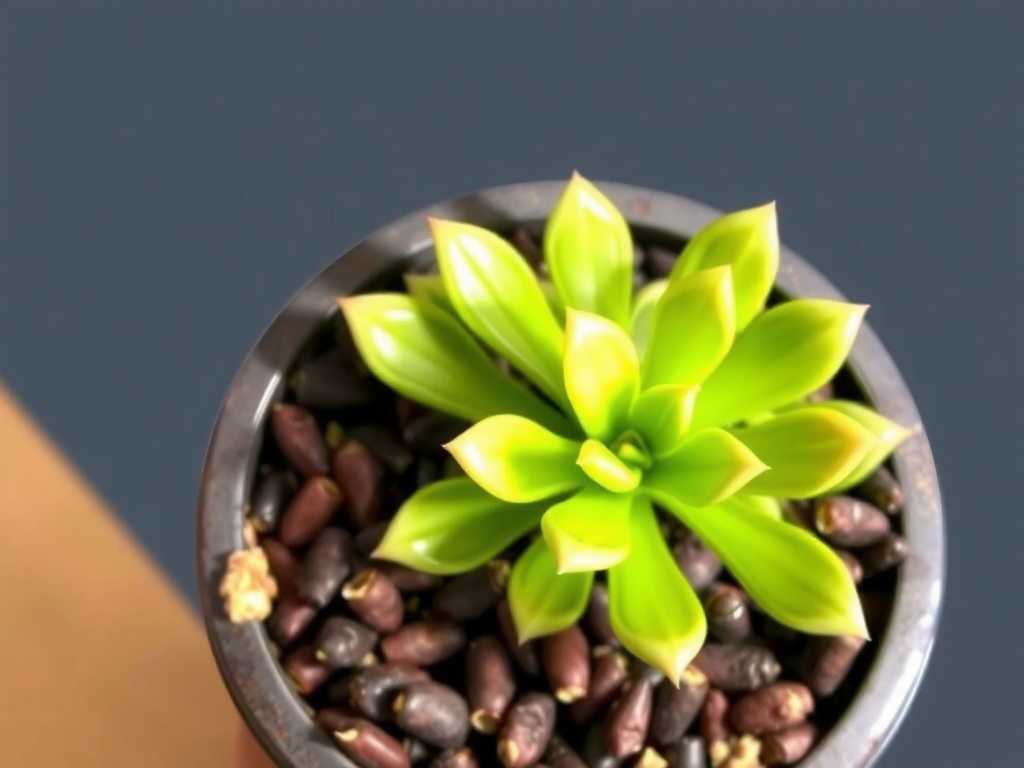
Before we jump into the fixes, it’s crucial to understand what’s happening. Jade plants are succulents, adapted to survive in nutrient-poor, well-draining soils. Their roots are sensitive. When we apply too much fertilizer or use the wrong type, it leads to a buildup of soluble salts in the soil. This creates a condition akin to a chemical burn. The excess salts draw water out of the root tissues through osmosis, damaging them and preventing proper uptake of water and nutrients. The plant, in distress, shows this damage first at the leaf tips and margins—the furthest points from the roots. According to the Royal Horticultural Society (RHS), symptoms like leaf tip burn are classic indicators of over-fertilization or fertilizer salt accumulation.
My 5-Step Rescue Plan and 2-Week Recovery Journal
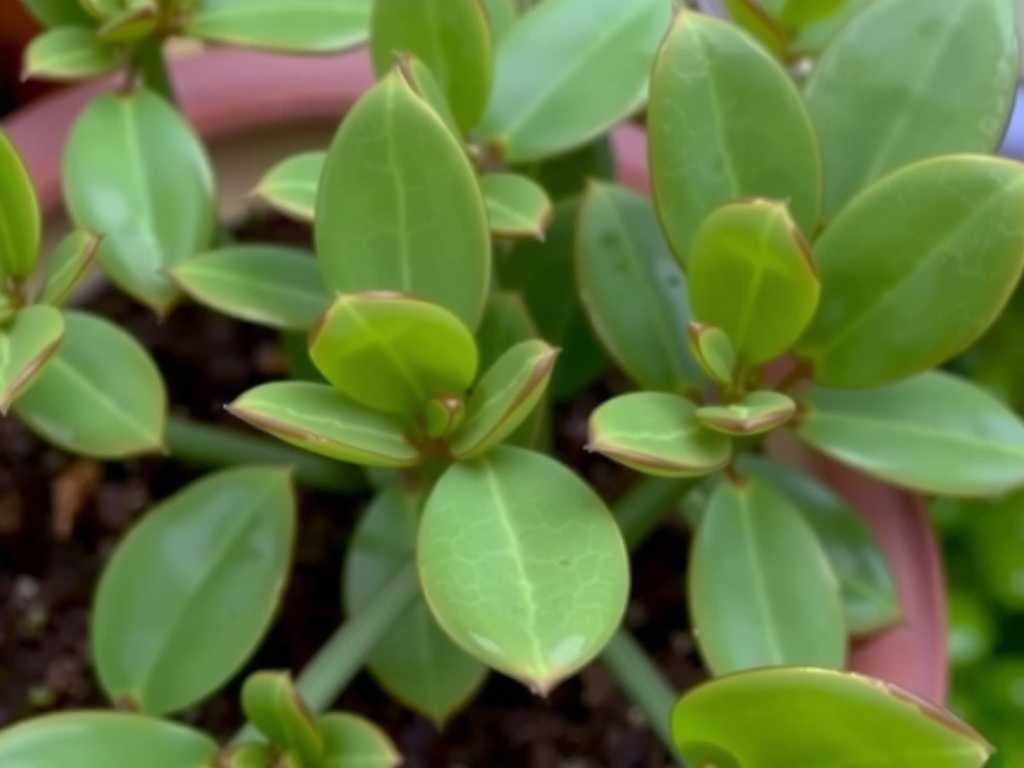
I selected a mature jade plant showing clear brown tips on about 30% of its leaves after I had, admittedly, been a bit overzealous with a balanced liquid feed. Here is the action plan I followed.
Immediate Action: The Great Flush The first and most critical step is to leach, or flush, the soil. This isn’t a gentle watering; it’s a strategic flood. I took my plant to the sink. Using lukewarm water, I slowly poured it onto the soil surface, allowing it to drain freely from the bottom holes. I repeated this process—filling the pot and letting it drain—four to five times over the course of an hour. The goal is to dissolve the accumulated salts and wash them out of the soil profile. A study referenced by the American Horticultural Society (AHS) emphasizes that leaching is the most effective immediate remedy for salt toxicity in container plants.
- My Week 1 Observation: Within 2-3 days, I noticed the plant stopped developing new brown tips. The existing damage remained, but the crisis was halted. The soil felt less “crusty” on the surface.
A Root Reality Check After flushing, I let the plant drain thoroughly overnight. The next day, I gently slid it out of its pot to inspect the root system. I was looking for signs of rot or severe burn—brown, mushy, or blackened roots. Thankfully, the damage was minimal, with only a few feeder roots looking dark. I carefully pruned these away with sterile scissors. If you find extensive rot, a more significant repotting into fresh soil is necessary. This inspection is vital for diagnosing the severity of fertilizer burn on your jade plant.
The Fresh Start: Repotting with Care Even with flushing, some salt residues linger. For a guaranteed fresh start, repotting is best. I used a brand new, well-draining cactus and succulent mix. Crucially, I did not add any fertilizer to this new soil. The new pot was only slightly larger than the root ball, as jade plants prefer being slightly pot-bound. This step ensures the roots have a clean, non-toxic environment to recover in.
- The Pitfall I Hit: I initially used a pot that was too large. The excess soil held moisture for too long, and I saw signs of early overwatering (slightly yellowing lower leaves). I quickly corrected this by moving the plant back to a more appropriately sized container. Lesson learned: Don’t overpot a stressed succulent.
Mastering the Watering Rhythm Recovery isn’t just about what you remove; it’s about what you provide. Proper watering post-trauma is key. I allowed the soil to dry out almost completely between waterings. I used the "finger test," inserting my finger up to the second knuckle. If it felt dry, I watered deeply until it ran from the drainage holes, then emptied the saucer immediately. This pattern prevents further stress and mimics the jade’s natural dry cycle.
- My Week 2 Observation: The plant’s posture improved. Leaves that had been slightly limp firmed up. New, healthy growth emerged from the stem tips—a small, bright green pair of leaves that showed no signs of browning.
The Future of Feeding: A Conservative Fertilizer Strategy This is where long-term prevention lies. For the entire two-month recovery period, I applied no fertilizer. The plant needed to heal, not be fed. Once I saw consistent new growth, I implemented a new, ultra-conservative regimen. I now use a diluted, balanced, water-soluble fertilizer (like a 10-10-10) but at half the recommended strength, and only during the active growing season (spring and summer). I fertilize at most once every 8-10 weeks. The American Horticultural Society advises that for succulents, "less is more," and fertilizing should be viewed as a light supplement, not a primary food source.
Addressing Your Top Concerns
Can the brown tips turn green again? No, they cannot. The damaged leaf tissue is dead and will not regenerate. The focus is on preventing the damage from spreading. You can snip off the brown tips for aesthetics if you wish, but use sterile scissors and follow the leaf's natural shape. The plant will eventually shed these older leaves as it pushes out new, healthy growth.
How long does it take for a jade plant to recover from fertilizer burn? You should see the progression of browning stop within a week of proper flushing. Visible signs of recovery, like firm new growth, can appear in 2-3 weeks. Full recovery, where the plant is actively growing and the old damage is just a memory, can take a full growing season. Patience is essential.
What is the best fertilizer to prevent brown tips on jade plants? The best strategy is a minimalist one. Use a balanced, liquid succulent fertilizer diluted to 50% strength. Alternatively, a low-nitrogen, slow-release fertilizer formulated for cacti can be a safe choice, as it releases nutrients gradually and minimizes salt buildup. Remember, the core of proper jade plant fertilization is restraint.
Seeing your jade plant push out its first flawless, plump, green leaves after a period of stress is immensely rewarding. The journey from brown tips to vibrant health hinges on understanding that these plants thrive on neglect rather than excess. By acting quickly to flush the soil, providing a fresh start if needed, and adopting a disciplined, light-handed approach to watering and feeding, you give your jade the foundation it needs to thrive for decades. The brown tips on the old leaves will remain as a gentle reminder, but the lush new growth will be your testament to getting it right.





