bluename
 How to Revive Your jade plant from Cold Shock: 4 Recovery Steps That Worked for Me
That heart-stopping moment when you find your beloved jade plant looking limp, discolored, and mushy after a chilly night by the window is a pain I know all too well. As a long-time indoor gardener, I’ve learned that how to revive jade plant from cold shock is a critical skill. Cold damage can strike quickly, turning a thriving succulent into a seemingly lost cause. But don’t give up hope just yet. Through trial, error, and a careful two-week recovery plan, I successfully nursed my own frostbitten jade back to health. I’ll walk you through the exact steps I took, the mistakes I made along the way, and what you can realistically expect during the recovery process.
Understanding Cold Shock in Jade Plants
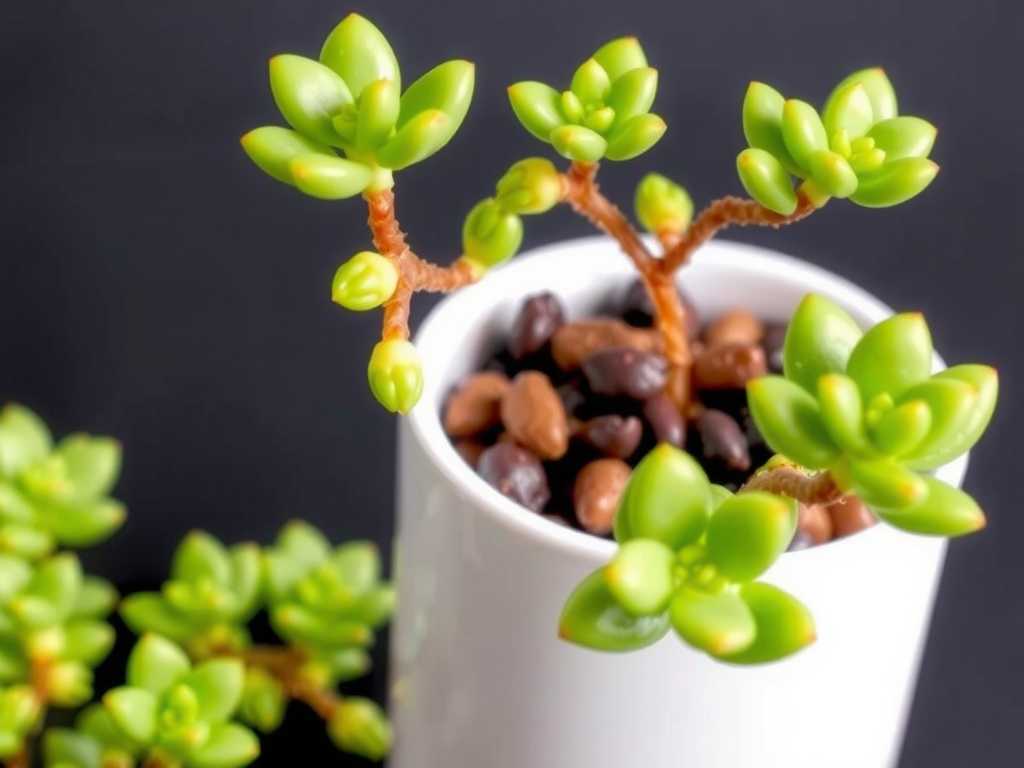
First, it’s crucial to know what you’re dealing with. Jade plants (Crassula ovata) are succulents native to warm, arid climates. They store water in their fleshy leaves and stems, which makes them exceptionally vulnerable to freezing temperatures. When exposed to cold drafts or temperatures below 50°F (10°C) for extended periods, the water inside their cells can freeze. This causes the cell walls to rupture, leading to the telltale signs of damage: soft, translucent, or blackened leaves and stems.
According to the Royal Horticultural Society (RHS), succulents like jade plants are among the first to show injury from cold, as their high water content turns from an asset into a liability. The damage might not be immediately apparent; sometimes, symptoms worsen over several days as the affected tissue decays.
My Initial Panic and Assessment I discovered my jade plant victim of an unexpected cold snap after I’d left it near a poorly insulated patio door. The top leaves were soft and slightly wrinkled, while several lower leaves had turned a yellowish-translucent color. My first instinct was to panic and immediately drench it with water, assuming it was thirsty—a classic mistake I’ll explain later. Instead, the correct first step is a calm, thorough assessment.
Step 1: Immediate Triage and Relocation
The moment you suspect cold shock, act swiftly but calmly.
- Move the Plant Immediately: Gently bring your jade plant to a warm, stable environment. I relocated mine to a spot with bright, indirect light in my living room, where temperatures consistently stayed between 65-75°F (18-24°C). Avoid placing it directly in front of a heat vent or in intense, direct sunlight, as the stressed plant cannot handle additional thermal shock or scorching.
- The “No-Water” Rule (My Biggest Mistake): This was my critical error. Seeing droopy leaves, I assumed underwatering and watered it. This can be fatal. Cold-damaged roots are often compromised and cannot absorb water efficiently, leading to rapid root rot. The American Horticultural Society (AHA) notes that overwatering a stressed plant, especially one with potential root damage, is a primary cause of post-shock death. Do not water at this stage.
Step 2: The Delicate Art of Pruning Damaged Tissue
This step feels harsh but is necessary to prevent rot from spreading and to redirect the plant’s energy to healthy growth.
- Gather Your Tools: Use a clean, sharp pair of pruning shears or a sterile knife. I wiped my blades with rubbing alcohol to prevent introducing pathogens to the open wounds.
- Identify What to Cut: Look for leaves that are mushy, translucent, or blackened. Stems that are soft, wrinkled, or discolored must also be removed. A good rule from my experience: if it’s squishy, it goes.
- Pruning Technique: Make clean cuts. For leaves, gently twist them off or snip at the base where they meet the stem. For damaged stem sections, cut back to firm, green, healthy tissue. It’s better to cut a little more than to leave damaged tissue behind. I had to remove nearly 30% of my plant’s foliage and trim two main stems. It looked sparse and sad, but this was the turning point.
Step 3: The Patient Waiting Game and Root Check
After pruning, your plant needs rest. This is a period of observation, not action.
- The Dry-Out Period: Leave the plant completely dry for at least 7-10 days. This allows the cut surfaces to callous over, sealing themselves against infection. It also gives the plant time to stabilize.
- Checking for Root Rot (The 2-Week Mark): After about two weeks of dry rest, I carefully unpotted my jade to inspect the roots—a step vital for jade plant cold damage recovery. Healthy roots are firm and white or light tan. Rotten roots are dark brown or black, mushy, and may smell foul.
- My Root Discovery and Fix: I found a small section of roots that were beginning to rot. Using my sterilized shears, I trimmed these away. I then let the root ball air-dry for another 24 hours before repotting. If your root system is largely intact, you can simply repot it in fresh, dry soil.
Step 4: Strategic Repotting and the Road to Recovery
Now, you can begin supportive care.
- The Right Soil Mix: Use a fresh, well-draining succulent or cactus mix. I used a standard cactus blend but amended it with extra perlite for even better drainage. This ensures any future watering won’t linger around the sensitive roots.
- Repotting: Place your plant in its (ideally clean) pot with a drainage hole. Fill around it with the dry soil mix. Do not tamp it down too firmly.
- The First Careful Watering: Here’s the key to saving a frostbitten jade plant: wait another 2-3 days after repotting before the first watering. This gives any minor root disturbances time to heal. Then, give it a thorough but gentle soak until water runs from the drainage hole. Ensure all excess water drains completely. Going forward, only water when the soil is completely dry—truly dry, not just surface dry.
My Two-Week Observation Log and Results
The recovery was not linear. Here’s what I observed:
- Days 1-3: The plant looked dramatically smaller post-pruning. No change otherwise.
- Days 4-7: The remaining firm leaves began to look slightly less plump but not wrinkled—a sign it was using internal water stores, which is normal.
- Days 8-10: I noticed the cut stem ends had formed perfect, dry calluses. No further spreading of mushiness.
- Day 14 (After First Watering): Within 48 hours of that first careful watering, the stems seemed just a bit firmer. The most promising sign? Tiny, bright pink dots appeared at the growth nodes near the top of the pruned stems—the very beginnings of new growth!
This was the definitive proof that the recovery steps were working. The plant had stopped deteriorating, healed its wounds, and was now investing energy in new life.
Will the leaves that turned soft from the cold ever firm back up? No, they will not. Once leaf cells are ruptured by freezing, that damage is permanent. The affected leaves will either dry up and fall off or need to be removed. The plant’s recovery is about preserving and growing new healthy tissue, not repairing the old damaged parts.
How long does it take for a jade plant to fully recover from cold shock? Full recovery is a slow process. While you may see signs of new growth (like I did) within 2-4 weeks, it can take an entire growing season (spring through summer) for the plant to regain its former fullness and shape. Patience is the most important nutrient you can provide.
Can I use fertilizer to help it recover faster? Absolutely not. Fertilizing a stressed, recovering plant is like offering a heavy meal to someone with the flu—it adds more stress. The roots are in no state to absorb nutrients. Wait until you see consistent, healthy new growth over several weeks, typically 2-3 months into recovery, before considering a diluted, half-strength fertilizer.
Reviving a jade plant from cold shock tests your patience as a plant parent. It requires resisting quick fixes, making tough cuts, and trusting in the plant’s innate will to live. The process I followed—immediate relocation, dry pruning, a deliberate dry period, and a return to careful watering—transformed a mushy, discolored specimen into a plant actively pushing out new growth. Remember, the goal isn’t to save every leaf, but to save the plant itself. By providing a stable, warm environment and resisting the urge to over-care, you give your jade the best possible chance to bounce back and thrive for years to come.