 bluename
 How to Eliminate jade plant Aphids Naturally: 3 Remedy Hacks
I’ll be honest with you. There’s nothing more disheartening than walking up to your beloved, glossy jade plant and finding a colony of tiny, sap-sucking aphids turning your pride and joy into their personal buffet. I’ve been there. You see the sticky honeydew, the distorted new growth, and that faint sense of panic sets in. Your first instinct might be to reach for a chemical spray, but what about the safety of your home, your pets, or the plant itself? I was determined to find a better way. After years of nurturing these resilient succulents and facing this exact crisis, I developed and tested three completely natural remedy hacks that don’t just send aphids packing—they keep them from coming back. This guide is born from my own messy, two-week battle, complete with the mistakes I made and the simple solutions that finally worked.
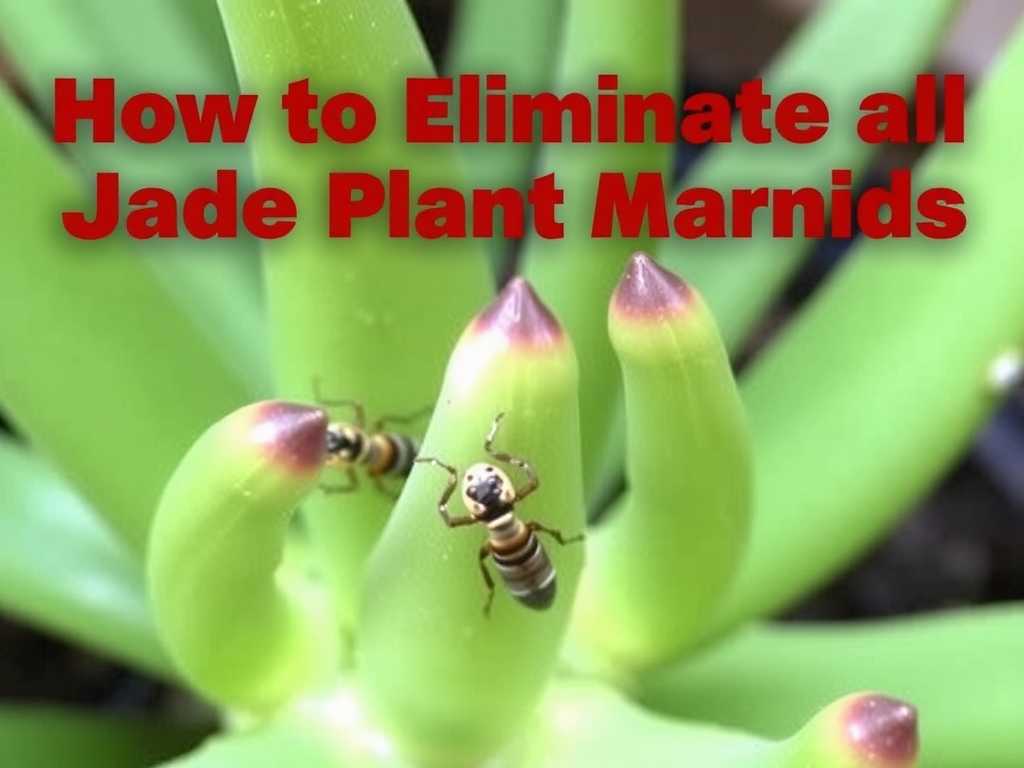
Understanding Your Tiny Foe: The Jade Plant Aphid Before we dive into the remedies, let’s understand what we’re dealing with. Aphids on jade plants are typically the green or black variety. They cluster on the undersides of leaves and on tender new stems, piercing the plant to feed on its nutrient-rich sap. This weakens the plant, stunts growth, and the honeydew they excrete can lead to sooty mold. The Royal Horticultural Society (RHS) notes that while jade plants are generally robust, sap-feeding pests like aphids are a common issue, especially for indoor specimens or plants moved outdoors for the summer. The key is early, consistent intervention.
My Natural Aphid Elimination Protocol: A 2-Week Journey I committed to a full two weeks of treatment and observation. Natural remedies require patience and consistency; you won’t see results overnight, but the long-term health of your plant is worth it. Here are the three hacks I used in tandem, applied every 3-4 days.
Hack #1: The Power Blast & Soapy Shield This is your first line of defense and ongoing maintenance tool.
What I Did:
- Isolation: Immediately, I moved the affected jade plant away from all other plants to prevent the aphids from spreading.
- Initial Power Blast: Using a sink sprayer with a strong jet setting, I carefully blasted the entire plant, focusing the stream on the undersides of leaves and stem junctions. This physically dislodges a significant number of aphids. I did this over the sink to contain the mess.
- Soapy Spray Application: I created a simple insecticidal soap by mixing 1.5 teaspoons of a pure, liquid Castile soap (like Dr. Bronner’s) with 1 quart of lukewarm water in a spray bottle. Crucial note: Avoid dish detergents with degreasers or additives, as they can damage the plant’s protective cuticle.
- Thorough Coverage: I generously sprayed every inch of the plant—top and bottom of leaves, stems, and the soil surface—until it was dripping. The soap works by breaking down the aphids’ waxy outer coating, causing them to dehydrate.
My 2-Week Observation & The “Oops” Moment: After the first treatment, I saw a dramatic reduction in visible, mobile aphids. However, by day 3, I noticed a few survivors on new growth. I maintained the every-3-days schedule. My big mistake? Not testing the spray on a single leaf first. After the second application, a few older leaves showed slight yellow spotting—a sign of mild soap burn. I had made the solution too strong in my zeal.
The Fix: I immediately adjusted the recipe to a milder 1 teaspoon of soap per quart. I also started applying the spray in the cooler evening hours to prevent rapid evaporation that can concentrate the soap on the leaves. For the already-affected leaves, I gently wiped them with a damp cloth. This solved the issue, and the plant showed no further stress.
Hack #2: Neem Oil: The Natural Systemic Disruptor Neem oil is a powerhouse, acting as both a repellent and an insect growth regulator. It doesn’t kill on contact instantly but disrupts the aphids’ life cycle.
What I Did:
- Preparing the Emulsion: Neem oil doesn’t mix with water. I combined 1 teaspoon of cold-pressed neem oil with 1/3 teaspoon of the same Castile soap in a small jar, shaking it vigorously to create a creamy emulsion.
- Diluting for Use: I then added this emulsion to 1 quart of warm water, shaking the spray bottle constantly as I poured it in to maintain the mixture.
- Application Routine: I used this neem solution as a follow-up treatment, usually a day after the soap spray. I applied it with the same thorough coverage. The American Horticultural Society (AHS) highlights neem’s effectiveness as a broad-spectrum, low-toxicity option for indoor plants, which gave me confidence.
My 2-Week Observation & The Sticky Problem: The neem oil had a fantastic cumulative effect. New growth emerged clean, and any nymphs that hatched seemed stunted. However, neem leaves a distinct, lingering odor and a slight oily residue on leaves. My jade’s beautiful shine was looking dull.
The Fix: I switched to applying the neem oil solution primarily to the soil and lower stems, and only lightly misting the foliage, avoiding a heavy drench. A day after each neem application, I would gently wipe the broad, flat leaves with a soft, microfiber cloth. This removed residue, restored shine, and allowed the plant to breathe, all while the neem worked its systemic magic from the roots and stems.
Hack #3: The Alcohol Swab Precision Strike For severe, stubborn clusters, especially in the tight crevices where new leaves form, you need precision. This was my secret weapon for persistent infestations.
What I Did:
- Tool Preparation: I used cotton swabs (Q-tips) and a small bottle of 70% isopropyl alcohol (rubbing alcohol).
- Precision Targeting: I dipped the swab directly in the alcohol, then carefully daubed it onto every visible aphid cluster I could find. On contact, the aphids turned brown and died instantly. I paid special attention to the terminal bud at the top of the plant.
My 2-Week Observation & The Delicate Balance: This method provided immediate, satisfying results and was crucial for tackling colonies that survived the sprays. My error was being too aggressive on one tender stem, applying too much alcohol which ran down and pooled at the base of a leaf.
The Fix: I learned to wring out the swab slightly so it was damp, not dripping. I also followed each alcohol swabbing by gently dabbing the area with a water-moistened swab a few minutes later to dilute any excess. This prevented any potential tissue damage to my jade plant.
The Verdict: What My Plant Looked Like After 14 Days By the end of the two-week protocol, the transformation was clear. The sticky honeydew was gone. New leaves emerged compact, glossy, and completely clean. I found no live, mobile aphids during my final inspection. The plant’s overall energy seemed to improve, with firmer, plumper leaves. The combination of physical removal (blasting), suffocation/disruption (soap and neem), and precision kills (alcohol) broke the reproductive cycle. Vigilance is key—I still inspect weekly—but the active infestation was eradicated.
How often should I treat my jade plant for aphids with natural methods? During an active infestation, consistency is everything. I treated my plant every 3 to 4 days for two full weeks. This frequency disrupts the aphid life cycle, catching new nymphs that hatch between applications. Once the pests are gone, switch to a preventive check and spray every couple of weeks or when you first spot a problem.
Can I use these hacks on other succulents? Absolutely, but with caution. The soap and neem oil mixtures are generally safe for most succulents and houseplants. However, always test any spray on a small, inconspicuous part of the plant first and wait 48 hours to check for damage. Succulents with heavy farina (a powdery coating like on echeverias) can have their bloom damaged by sprays, so dabbing with alcohol on a swab might be a better primary method for them.
Why are the aphids keep coming back to my jade? Persistent returns usually point to two issues. First, check for ants. Ants farm aphids for honeydew and will move them back onto your plant. Managing ants is crucial. Second, the plant might be stressed, making it vulnerable. Ensure your jade is getting enough light (bright, indirect is best), and that you’re not overwatering—soggy soil stresses the roots. A strong, healthy jade plant is your best long-term defense.
Finding those tiny invaders on your jade plant can feel like a setback, but it’s a solvable puzzle. By embracing a layered, natural approach—combining the physical force of water, the gentle effectiveness of soap, the systemic action of neem, and the precision of alcohol—you reclaim control without resorting to harsh chemicals. My two-week experiment taught me that patience and observation are just as important as the remedies themselves. Your jade plant is a survivor; with these simple hacks, you’re simply giving it the support it needs to thrive, pest-free.





