 bluename
 How to Stop jade plant Leaf Curling from Humidity: 5 Moisture Fixes That Worked for Me
There’s nothing more disheartening than watching your plump, happy jade plant slowly start to look… sad. Its once firm, oval leaves begin to curl inward, becoming soft and wrinkled. If you’re like me, your first instinct is to water it, thinking it’s thirsty. But what if I told you that the real culprit might be the air itself? After nearly losing my prized, decade-old jade to this exact issue, I embarked on a mission to understand and fix jade plant leaf curling from humidity. I discovered that while underwatering can cause curling, excess moisture in the air is a far more common and tricky adversary for these drought-loving succulents. Over the next two weeks, I tested five critical fixes, moving beyond guesswork to find solutions that actually restore health. This is my hands-on journey from diagnosis to lush, flat leaves.
Understanding the "Why": Humidity and Your Jade Plant
Before we dive into the fixes, let's get one thing straight: jade plants (Crassula ovata) are native to arid, rocky slopes in South Africa. Their thick leaves are designed to store water for long dry periods. In their natural habitat, humidity is low, and the soil drains almost instantly. Our homes, however, are a different story. Kitchens, bathrooms, and even living rooms in certain climates can trap moist air.
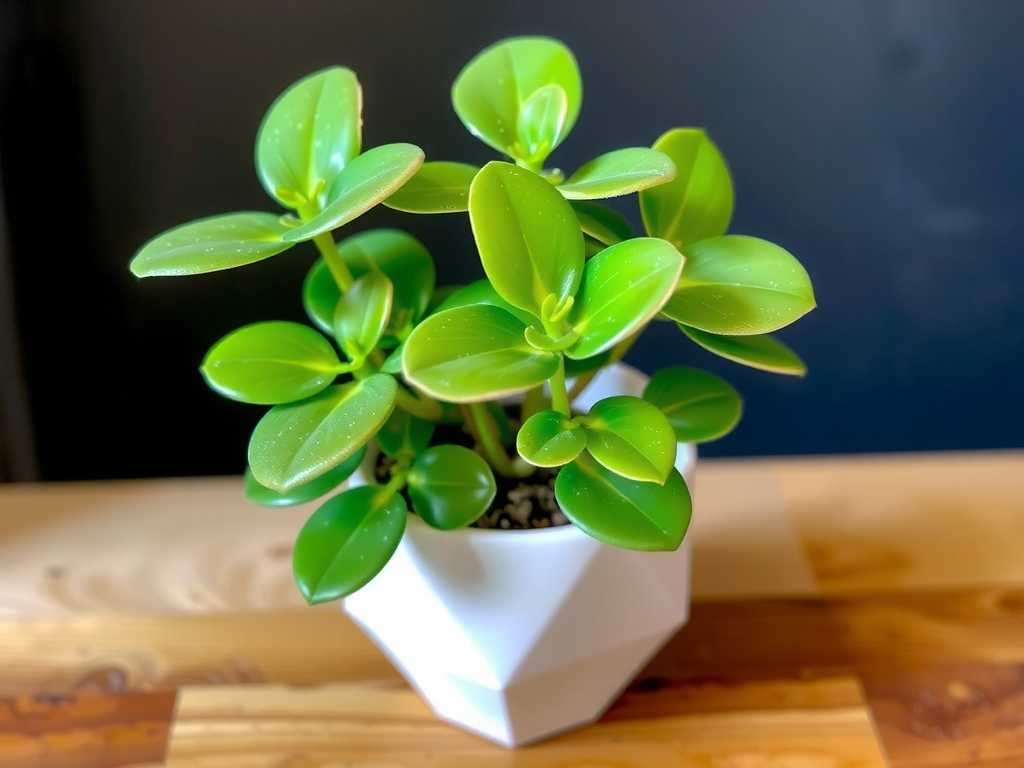
When the air is too humid, two main problems occur. First, the plant’s transpiration process—how it releases water vapor from its leaves—slows down. This disrupts its ability to "drink" and move nutrients. Second, and more dangerously, constantly damp air around the foliage creates a perfect environment for fungal diseases and root rot, especially if combined with even slightly over-moist soil. The leaf curling is a distress signal. It’s the plant’s attempt to reduce its surface area to minimize further moisture uptake or exposure. The Royal Horticultural Society (RHS) notes that succulents like jade plants show symptoms like oedema (blister-like spots) and leaf distortion when air moisture levels are consistently high paired with poor air circulation.
My 5-Step Action Plan to Combat Humidity-Induced Curling
I committed to a two-week corrective process. I didn’t implement all changes at once but introduced them systematically to observe what made the most significant impact. My plant was in a ceramic pot, in a standard potting mix, placed in a north-facing room that tended to feel a bit stagnant.
1. The Immediate Relocation: Assessing Your Plant's Microclimate
My first step was playing detective with my home's microclimates. I used a simple digital hygrometer I bought online. The reading near my jade plant was a surprising 65% RH (Relative Humidity). For a jade plant, the ideal is between 30% and 50%. I immediately moved it to a brighter, south-facing windowsill in my living room, away from any kitchen steam or bathroom humidity. This spot also had better air movement from occasional window opening.
The 2-Week Observation: Within the first 3-4 days, I noticed no new curling on younger leaves. The existing curled leaves didn’t miraculously flatten, but they stopped worsening. The hygrometer here read 45% RH—a massive improvement. This simple move confirmed that high humidity damage was indeed the primary issue.
2. Mastering the "Soak and Desert" Watering Technique
Here’s where I had previously failed. I was watering on a weekly schedule, lightly moistening the topsoil. This was wrong on two fronts for a humid environment. I switched to the "soak and desert" method. I took the plant to the sink, watered it thoroughly until water ran freely from the drainage hole, and then let it drain completely for 30 minutes. Crucially, I then allowed the soil to become completely dry—not just on the surface, but for the top two inches—before even considering watering again. To check, I used a wooden chopstick inserted into the soil.
The Mistake I Made: In week one, impatient for recovery, I watered when only the top inch was dry. I soon saw a couple of lower leaves turn yellow and mushy—a classic sign of overwatering compounding the humidity problem. I removed those leaves, let the soil dry out fully, and stuck to my chopstick test. The American Horticultural Society’s (AHA) guide to succulent care emphasizes that "the single greatest cause of failure is improper watering," stating that the pot must be allowed to dry between waterings to prevent root rot in succulents.
3. The Non-Negotiable: Soil and Drainage Overhaul
Even with perfect watering, a dense, moisture-retentive soil is a death sentence in humid conditions. In week two, I tackled a full repotting. I gently removed the plant, shook off the old soil, and inspected the roots. Thankfully, no major rot was present—just a few soggy-feeling strands I pruned away. I created a new, sharply draining mix: 2 parts standard potting soil, 1 part coarse perlite, and 1 part horticultural grit. I also ensured the pot had a large, unobstructed drainage hole and added a layer of pebbles at the bottom for good measure.
The Result: This was the game-changer. After repotting and waiting a week before watering (to let any disturbed roots heal), the plant’s overall demeanor improved. The remaining firm leaves looked perkier. New growth emerging from the stem tips appeared normal and flat, not curled. The soil dried out predictably within 5-7 days, aligning perfectly with the "soak and desert" rhythm.
4. Boosting Airflow: The Silent Hero
Stagnant air allows humidity to cling to the leaves. I didn't want to place my plant in a direct draft from an air conditioner, but gentle air movement was needed. I repositioned a small, oscillating fan in the room to circulate air indirectly, ensuring it wasn’t blowing forcefully directly on the plant. I ran it for a few hours during the day.
Observation: This, combined with the lower-humidity location, seemed to accelerate the drying of the soil surface and kept the leaves dry. It created an environment that mimicked the breezy conditions of its native habitat, further discouraging fungal pathogens.
5. When to Consider a Dehumidifier
For my single plant, relocation and airflow were sufficient. However, if you live in a consistently humid climate or have a collection of succulents in a basement or terrarium setting, controlling the ambient air might be necessary. I tested this by placing a small, inexpensive dehumidifier in my plant room for 48 hours during a particularly muggy spell. It brought the room's humidity down to a steady 40%.
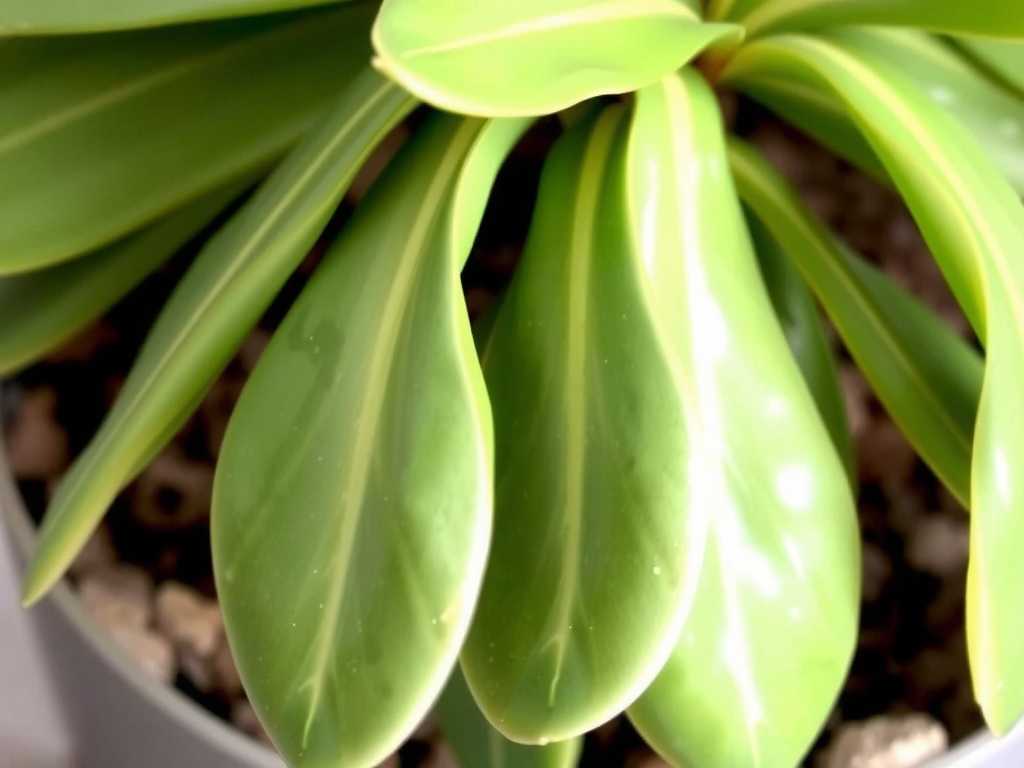
Long-Term Consideration: While not always essential, a dehumidifier is a powerful tool for preventing succulent leaf problems in challenging environments. It’s the most direct way to create an arid-like microclimate, especially in enclosed spaces.
Frequently Asked Questions from a Fellow Plant Lover
Can curled jade plant leaves go back to normal? Once a mature leaf has curled due to humidity stress, it will likely never fully flatten out again. Your focus should be on the new growth. If the underlying issues are fixed, new leaves will emerge healthy and flat. The old, curled leaves can be left on until they naturally yellow and drop, or you can carefully prune them for aesthetics once the plant is recovering strongly.
How do I tell if curling is from humidity or underwatering? This is crucial! The feel of the leaf is your best clue. Humidity-related curling often comes with leaves that may feel slightly soft or limp but not bone-dry. The soil might still feel damp. Underwatering causes leaves to become thin, wrinkled, and crispy dry to the touch, and the soil will be completely parched. In my case, the soil was never fully dry, and the leaves were soft, pointing squarely to humidity and overwatering.
Should I mist my jade plant to increase humidity? Absolutely not. Misting is one of the worst things you can do for a jade plant struggling with moisture issues. It raises humidity directly around the leaves, exacerbating the problem and inviting fungal diseases. Jade plants thrive in dry air. Keep the water in the soil (when appropriate) and off the foliage.
My two-week journey taught me that jade plants are resilient but communicate their needs clearly. The curling leaf is a message, not a death sentence. By moving my plant to a drier, brighter spot, revolutionizing my watering habits, repotting in gritty soil, and ensuring good air circulation, I shifted the environment from hostile to hospitable. The recovery wasn’t overnight, but seeing those first new, perfectly formed flat leaves was incredibly rewarding. Remember, your goal isn’t to create a tropical paradise, but a sunny, breezy, and dry retreat that reminds your jade plant of home.





