bluename
 How to Cure jade plant Root Rot Naturally: 3 Organic Fixes
I’ll never forget the sinking feeling. My beloved, decades-old jade plant, a stoic companion through countless moves and life changes, was suddenly looking… wrong. Its normally plump, vibrant leaves had turned soft and yellow, dropping at the slightest touch. The sturdy trunk felt suspiciously spongy near the soil. A gentle tug revealed the grim truth: a mass of dark, mushy, foul-smelling roots. Root rot. My heart sank. As a long-time plant enthusiast, I knew this was a silent killer, often a death sentence if not caught early. But I was determined not to lose this plant to chemical fungicides. I embarked on a mission to find a natural cure, testing three organic methods over a critical two-week period. What I learned not only saved my jade but transformed my approach to plant care.
Understanding the Enemy: What Exactly Is Root Rot?
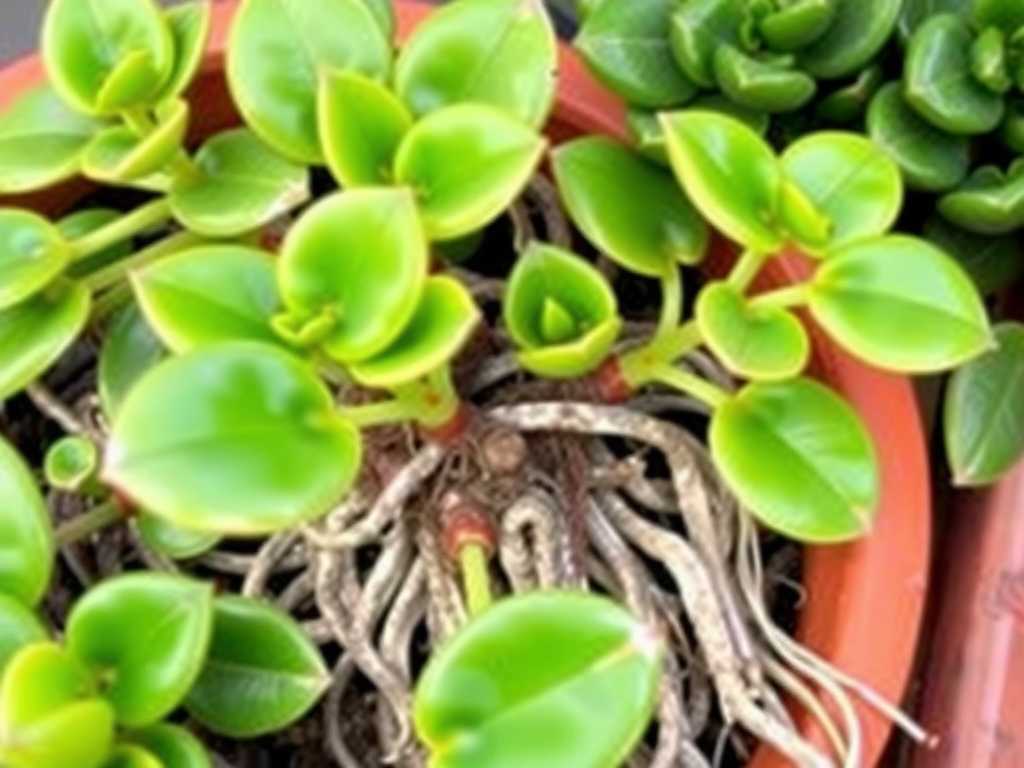
Before you can fix a problem, you need to understand it. Root rot isn’t just about overwatering; it’s a consequence of it. When soil remains soggy for too long, it suffocates the roots, depriving them of oxygen. This weakened state is an open invitation for soil-borne fungi, like Pythium or Phytophthora, to attack and decompose the root tissue. The key insight from the Royal Horticultural Society (RHS) is critical: “The damage is often caused by waterlogged conditions, which allow the fungi to thrive.” It’s the environment, not necessarily the fungus itself appearing out of thin air, that initiates the crisis. The goal of any natural treatment for jade plant root rot is to immediately change that environment and support the plant’s own recovery.
The Golden Rule: Immediate Triage and Diagnosis
No fix, organic or otherwise, works without this first, non-negotiable step. You must perform root surgery.
- Unpot with Care: I gently removed my jade from its pot, cradling the base. I shook off the old, wet soil over a newspaper.
- The Rinse and Inspection: Using lukewarm water, I rinsed the root ball. This was the moment of truth. Healthy jade roots are firm and white or light tan. Rotted roots are brown or black, slimy to the touch, and often fall apart easily. That distinctive, musty decay smell is unmistakable.
- Sterilized Surgery: This is where you get ruthless. I took a pair of pruning shears, sterilized them with rubbing alcohol, and cut away every single soft, dark root. I cut back until I saw only healthy, firm tissue. It felt drastic—I removed over 60% of the root mass. According to the American Horticultural Society (AHS), it’s better to remove too much than to leave any infected tissue behind, as the rot will spread.
- Let It Breathe: I placed the denuded plant on a clean paper towel in a warm, shaded, and airy spot for 24-48 hours. This crucial callousing period allows the cut ends to dry and form a seal, preventing new infections when repotted.
Now, with a cleaned-up plant, I tested three organic remedies for rotting succulent roots.
Organic Fix #1: The Cinnamon & Hydrogen Peroxide Protocol
This was my first attempt, leveraging common household items with antifungal and oxygenating properties.
- My Process: After the roots calloused, I prepared a solution. For the hydrogen peroxide, I used a 3% solution and diluted it further: one part peroxide to four parts water. I gave the root system a gentle, 30-second swish in this mix. The mild fizzing action helps disinfect and introduce oxygen. Next, I took ground cinnamon—a powerful natural fungicide—and dusted it liberally over all the cut areas and remaining healthy roots.
- The Repotting: I used a brand new, clean pot (terracotta is ideal for its breathability) with a drainage hole. The potting mix was crucial: I created a very fast-draining soil mix for jade plant recovery by combining two parts standard succulent soil with one part perlite and one part coarse sand. I planted the jade shallowly, just deep enough to support it, and did not water it.
- The Two-Week Observation & Pitfall: I placed the pot in bright, indirect light. For the first week, I resisted all watering urges. At day 7, the soil was bone dry. I gave it a very light bottom-watering, letting the pot sit in a shallow dish of water for 10 minutes, then removing it. By the end of week two, I noticed the plant had stopped declining—no new leaf drop. However, growth was non-existent, and the remaining leaves were slightly shriveled. The pitfall here was underwatering due to fear. While keeping the soil dry is key, a completely dehydrated plant can’t recover. I learned that a delicate balance is needed: wait a full week after repotting, then introduce minimal moisture.
Organic Fix #2: The Chamomile Tea & Activated Charcoal Approach
For my second test (on a smaller, afflicted jade pup), I focused on gentle antifungal and toxin-absorbing methods.
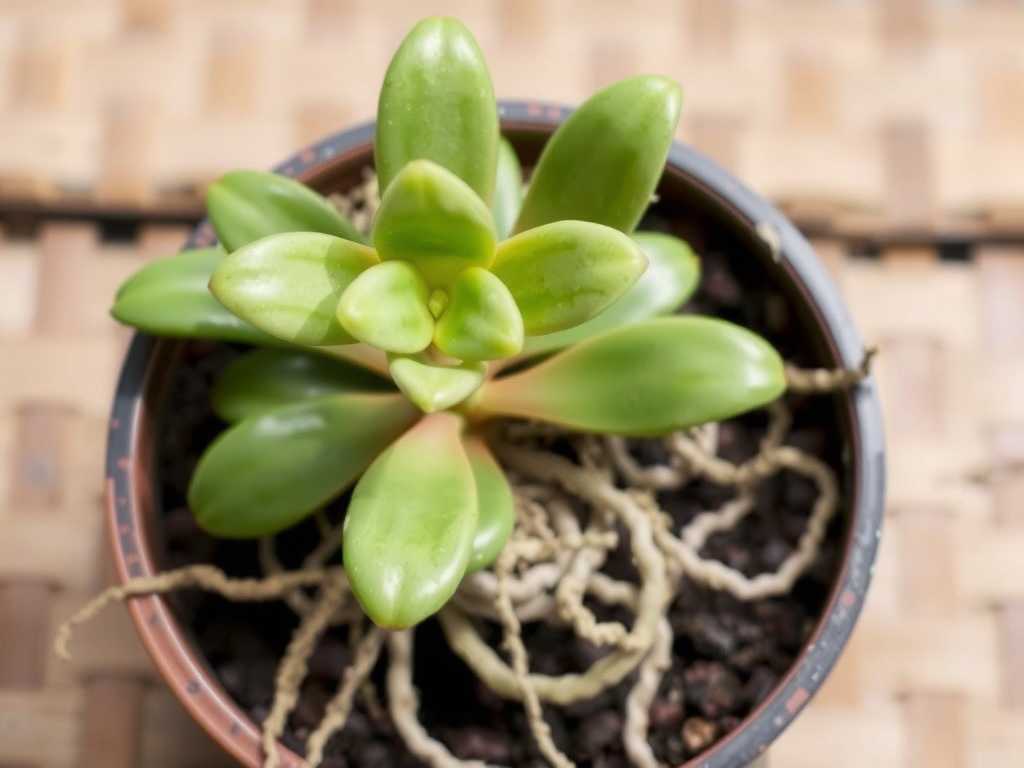
- My Process: After the standard triage and callousing, I brewed a strong cup of chamomile tea (using organic flowers for purity). Chamomile contains natural antifungal compounds. I let it cool completely. Instead of a peroxide dip, I used this tea for the root soak, letting the plant sit in it for about an hour. Meanwhile, I amended my succulent soil mix. I incorporated a small handful of horticultural-grade activated charcoal into the potting medium. Charcoal is excellent for improving drainage and absorbing impurities and excess moisture in the soil, creating a healthier root zone environment.
- The Two-Week Observation & Pitfall: I repotted using the charcoal-amended mix and followed the same delayed watering rule. The results were promising. The plant showed remarkable stability. The leaves firmed up slightly, and there was a tiny, bright green growth point at the stem tip by day 14—a sure sign of recovery. The pitfall? Availability. Not everyone has horticultural charcoal on hand, and not all “activated charcoal” is suitable for plants (avoid barbecue briquettes!). The lesson was that this method is highly effective for treating root rot in crassula ovata organically, but requires sourcing the right materials.
Organic Fix #3: The “Dry Back” and Mycorrhizal Fungi Boost
This method is less about direct antifungal treatment and more about ecosystem rebuilding, inspired by sustainable gardening principles.
- My Process: Post-triage, I skipped any liquid soaks. Instead, I focused entirely on the soil and microbial life. I prepared my well-draining mix. Then, I took a mycorrhizal fungi inoculant (a powder form). These beneficial fungi form a symbiotic relationship with plant roots, extending their reach for water and nutrients and actively protecting them from pathogens. I dipped the moistened, calloused roots into this powder before planting.
- The Two-Week Observation & Pitfall: The repotting was standard. The watering schedule was the same: wait a week, then minimal water. The difference was in the recovery vigor. By the end of the second week, this plant not only stabilized but showed the most pronounced signs of new root initiation. The plant seemed less stressed overall. The pitfall here is patience and trust. You don’t see immediate action as with cinnamon. You’re investing in the soil’s long-term health. It requires faith in an invisible process, but the science is solid. This method, combined with impeccable watering habits going forward, is the ultimate holistic solution for succulent root issues.
What Worked Best? My Verdict After 14 Days
All three methods successfully halted the progression of root rot when combined with aggressive removal of the infected tissue. The Cinnamon & Peroxide method is a fantastic, accessible emergency kit fix. The Chamomile & Charcoal method offered gentle, sustained protection. However, the Mycorrhizal Fungi Boost method, while the slowest to “show” results, aligned most closely with creating a resilient, healthy plant system for the long term. For my main, cherished jade, I ended up using a combination: a light peroxide dip, a cinnamon dusting on cuts, and mycorrhizal fungi at repotting. Two weeks post-op, it was stable. A month later, it was pushing out new growth.
Your Questions, Answered
-
How do I know for sure if it’s root rot and not something else? The combination of symptoms is key: sudden leaf yellowing and softening (often starting at the bottom), leaf drop, a soft or mushy stem base, and most definitively, the visual and olfactory inspection of the roots. If they’re dark, slimy, and smell like decay, it’s rot. Underwatering causes shriveled, dry leaves but the roots remain light-colored and dry.
-
Can I use the old soil again? Absolutely not. The old soil is contaminated with fungal spores. Always use fresh, sterile, well-draining succulent mix. This is one of the most critical steps to prevent immediate re-infection.
-
How long before I should see new growth? Patience is essential. The plant’s first priority is to rebuild its root system underground, which you can’t see. If the plant has stopped declining and the stem remains firm, it’s working. Visible top growth, like new leaves or stems, may take 3-8 weeks to appear. Resist the urge to overwater or fertilize during this time; let it recover at its own pace.
Watching a plant suffer from root rot is a stressful experience, but it’s also a profound lesson in plant physiology and care. The success of these organic fixes hinges on speed, severity of the initial pruning, and your restraint with water afterward. By changing the environment from soggy and hostile to dry and supportive—and optionally enlisting natural antifungal aids or soil allies—you give your jade a fighting chance. My once-dying plant now sits proudly on my shelf, a testament to resilience and the power of working with nature, not just applying a quick chemical fix. The journey taught me that the best cure is often a return to the basics: air, light, and a perfectly-timed drink.