bluename
 How to Revive jade plant from Root Damage: 4 Root-Recovery Steps
You’ve nurtured your jade plant for years, watching its thick, glossy leaves and sturdy stems become a centerpiece of your home. Then, you notice the warning signs: leaves turning yellow and dropping, stems becoming soft and mushy, or the entire plant wobbling loosely in its pot. The heart-sinking realization hits—this is likely root damage. Whether from overwatering, poor soil, or unseen pests, damaged roots threaten the life of your beloved succulent. But don’t despair. With prompt, correct action, you can learn how to revive jade plant from root damage and restore it to vibrant health. This guide provides a clear, step-by-step rescue plan focused on root recovery.
Understanding Jade Plant Root Damage
Before you act, it's crucial to understand what you're dealing with. Jade plants (Crassula ovata) are succulents, storing water in their leaves and stems. Their roots are adapted to dry conditions and are highly susceptible to rot in consistently moist soil. Root damage primarily stems from overwatering, which creates an anaerobic environment where harmful fungi and bacteria thrive. Other causes include compacted, poorly-draining soil, pots without drainage holes, or infestations by root mealybugs or fungus gnats larvae.
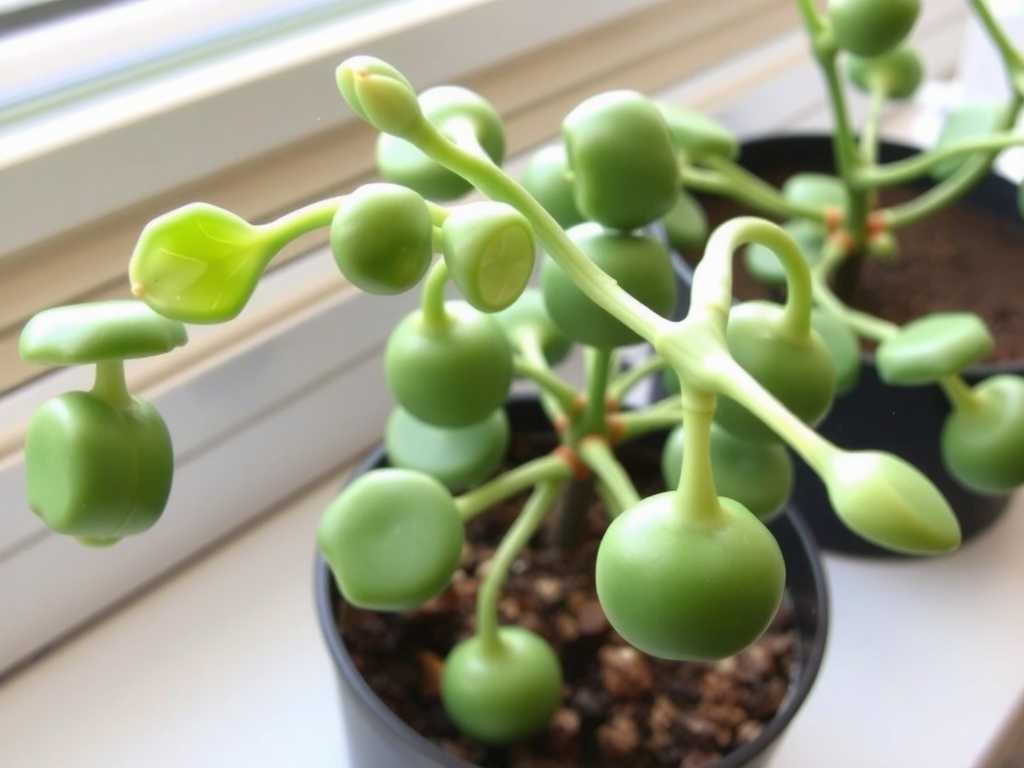
The symptoms above ground are a direct cry for help from the roots. Soft, translucent leaves often indicate the roots can no longer absorb water effectively because they are rotting. A foul smell from the soil is a definitive sign of advanced rot. As noted by horticulturist and author Maria Fernanda, "With succulents like jade, the plant you see is often the last to show distress. The real crisis unfolds unseen, below the soil line. Successful revival always starts with a thorough root inspection."
Step 1: The Critical Unpotting and Root Inspection
Your first move is to assess the damage. This step must be done gently and methodically.
Carefully Remove the Plant: Stop watering immediately. Tip the pot on its side and gently ease the jade plant out. Do not pull on the stems. If it's stuck, tap the pot's sides or run a knife around the interior edge.
Clean and Inspect the Root System: Gently shake off and brush away the old soil. Use lukewarm water to rinse the roots clean for a clear view. Now, conduct a thorough inspection. Healthy jade plant roots are firm, white, or light tan. Damaged roots are the problem—they will be mushy, dark brown or black, and may fall apart to the touch. They often emit a musty, rotten odor.
Assess the Severity: The scope of damage determines your strategy. If less than 50% of the root system is affected, the plant has a high chance of recovery with pruning and repotting. If damage exceeds 70%, the focus may shift to saving healthy stems through propagation, though aggressive root rescue can still be attempted.
Step 2: Surgical Pruning and Disinfection
This is the most crucial step in the root recovery process. You must remove all compromised tissue to prevent the rot from spreading.
Tools You'll Need: Use sharp, sterile pruning shears, scissors, or a knife. Sterilize tools with rubbing alcohol or a flame before and during use to avoid introducing new pathogens.
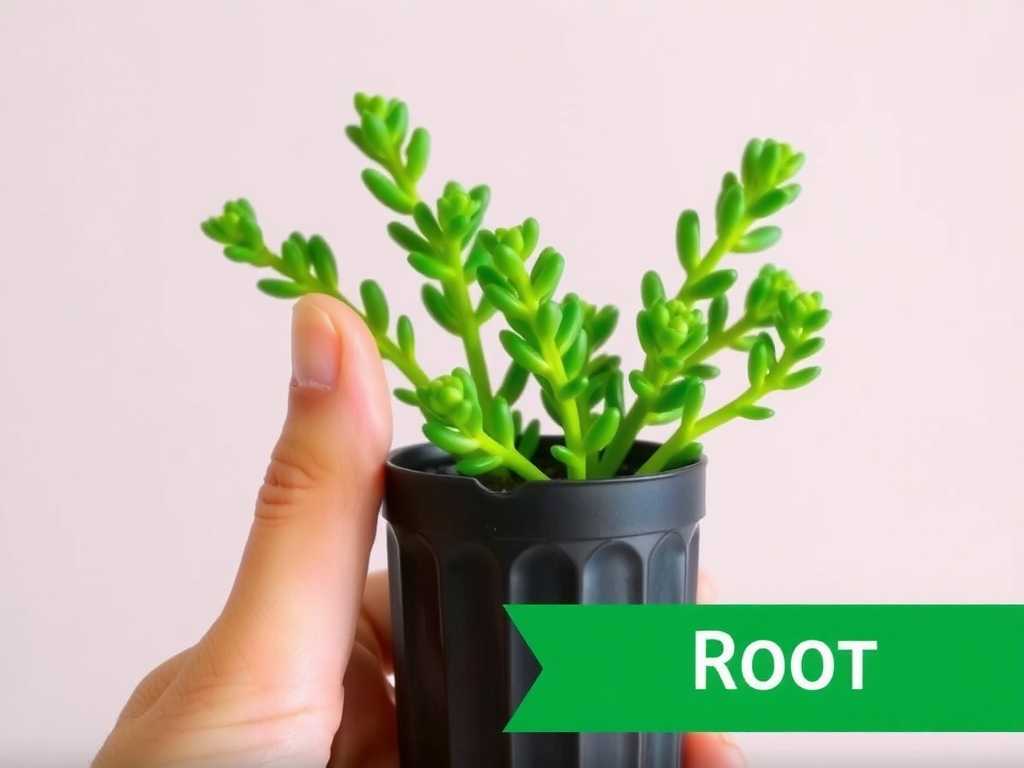
Pruning the Roots: With your clean tools, cut away every soft, brown, or black root. Snip back to where the root tissue is firm and healthy, even if it means removing a significant portion. Be ruthless—any remaining rot will continue to spread. As you execute this jade plant root recovery, remember it's better to have a few healthy roots than many diseased ones.
Pruning the Foliage: To balance the loss of roots, prune the top growth. Remove any soft, yellowed, or shriveled leaves and stems. This reduces the demand on the compromised root system, allowing it to focus energy on regeneration. A good rule is to remove a proportional amount of foliage to the roots you cut away.
Disinfection: After pruning, some experts recommend a gentle disinfecting soak. Dilute one part 3% hydrogen peroxide in ten parts water and soak the root ball for a few minutes. This helps kill any remaining surface pathogens. Alternatively, you can dust the cuts with sulfur powder or cinnamon, a natural antifungal, before letting the plant dry.
Step 3: The Essential Drying and Callusing Period
Do not repot immediately! Succulents need time to form a protective callus over fresh wounds.
Let it Dry: Place the pruned jade plant in a warm, dry, and shaded spot with good air circulation. Leave it out of soil for 1 to 3 days. The cut ends of the roots and stems must dry completely and form a dry, hardened layer. This callus is vital—it acts as a barrier against soil-borne rot when you repot. Skipping this step is a common mistake that can lead to immediate re-infection.
Step 4: Strategic Repotting for Root Regrowth
The final step is to provide a fresh, optimal environment for new roots to emerge.
Choosing the Right Pot: Select a clean pot with ample drainage holes. It should be only slightly larger than the remaining root system—a pot too large holds excess moisture. Terracotta pots are ideal as they are porous and help wick away moisture.
Selecting the Perfect Soil Mix: Standard potting soil is a death sentence for a recovering jade. You need a fast-draining, gritty mix. Use a commercial cactus and succulent mix, or create your own with one part potting soil, one part coarse sand, and one part perlite or pumice. This mix ensures excellent drainage and aeration around the delicate new roots.
The Repotting Process: Place a piece of mesh or a shard over the drainage hole. Add a layer of your dry soil mix. Position the jade plant in the center and gently spread the roots. Fill in around the roots with more soil, tapping the pot to settle it. Do not compact the soil tightly. The base of the stem should sit at the same level as before.
The First Watering—When and How: This is critical. Do not water immediately after repotting. Wait 4-7 days to allow any minor root disturbances to heal. Then, give the plant a thorough, deep watering until water runs freely from the drainage holes. This encourages the roots to grow downward in search of moisture. After this, enter a strict "soak and dry" cycle: water only when the soil is completely dry all the way to the bottom of the pot.
Post-Rescue Care and Monitoring
Your work isn't over after repotting. Place the revived jade in bright, indirect light. Avoid direct, harsh sunlight for the first few weeks as it's under stress. Hold off on fertilizing for at least 3-4 months; the fresh soil has nutrients, and fertilizer can burn new roots. The goal is to promote strong root development. Signs of success include new, firm green leaves emerging from the stem tips and the plant feeling firmly anchored in its pot after a few weeks. This indicates new roots are forming and anchoring the plant.
Can a jade plant recover from root rot? Yes, absolutely. Jade plants are remarkably resilient. Recovery is highly probable if you catch the problem early, remove all the rotted tissue during the root rescue process, and provide a well-draining soil environment afterward. The plant's ability to store water allows it to survive the period while it regenerates new roots.
How long does it take for a jade plant to recover from root damage? Patience is key. After following the recovery steps, you may see the plant stabilize and stop dropping leaves within 2-3 weeks. However, visible new top growth (new leaves and stems) often takes 1-2 months, as the plant's energy is focused underground on root regrowth. A full recovery to its former lushness can take a full growing season.
Should I water my jade plant after repotting due to root rot? No, not immediately. Wait for 4 to 7 days after repotting before the first watering. This allows any micro-abrasions on the roots to heal and reduces the risk of re-introducing rot. The initial deep watering should then be followed by the "soak and dry" method, where you let the soil dry out completely between waterings.
Watching a jade plant suffer from root issues is worrying, but it’s a solvable problem. The path to revival hinges on a calm, systematic approach: unpot and diagnose, prune away all damage without compromise, allow proper callusing, and repot into a gritty, well-draining home. By creating the right conditions and exercising patience, you give your plant the fundamental tools it needs to rebuild its foundation. In time, with consistent care, your jade plant will not just survive but thrive once again, a testament to its own toughness and your informed intervention.