bluename
 How to Eliminate jade plant Mealybugs Naturally: 3 Targeted Hacks
I’ll be honest—the first time I saw that telltale white, cottony fluff nestled in the crevices of my prized jade plant, my heart sank. It wasn't just a minor nuisance; it was a full-blown mealybug invasion threatening years of careful growth. Like many plant lovers, my immediate instinct was to reach for a chemical pesticide. But the thought of introducing harsh toxins near my other houseplants and into my home environment didn’t sit right. I was determined to find a way to eliminate jade plant mealybugs naturally. After extensive research, trial, error, and a dedicated two-week battle, I discovered three targeted hacks that genuinely work. This guide is born from that hands-on experience, complete with the mistakes I made and the effective solutions that saved my plant.
Understanding the enemy is half the battle. Mealybugs are sap-sucking pests that weaken plants by draining their vital juices, leading to yellowing leaves, stunted growth, and a sticky honeydew residue that can attract sooty mold. On jade plants, they love to hide in the tight spaces where leaves meet stems, under old leaves, and even in the root ball. A study highlighted in the Annals of Applied Biology notes that mealybugs possess a waxy coating that makes them notoriously resistant to many treatments, which is why a targeted, persistent approach is crucial.
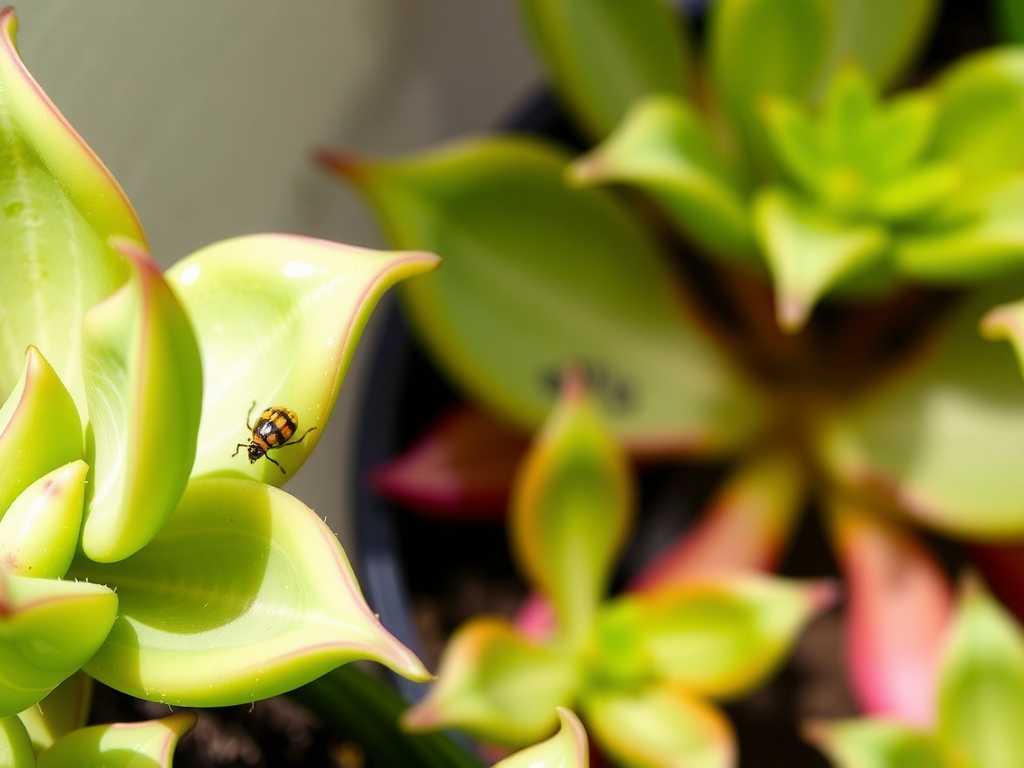
My mission was clear: evict these pests using safe, natural methods. I committed to a 14-day observation period, meticulously documenting the process. Here are the three precise hacks that led to victory.
The Power of Precision: Alcohol and a Cotton Swab
For a light to moderate infestation, sometimes the simplest tools are the most effective. This method is all about direct, targeted action.
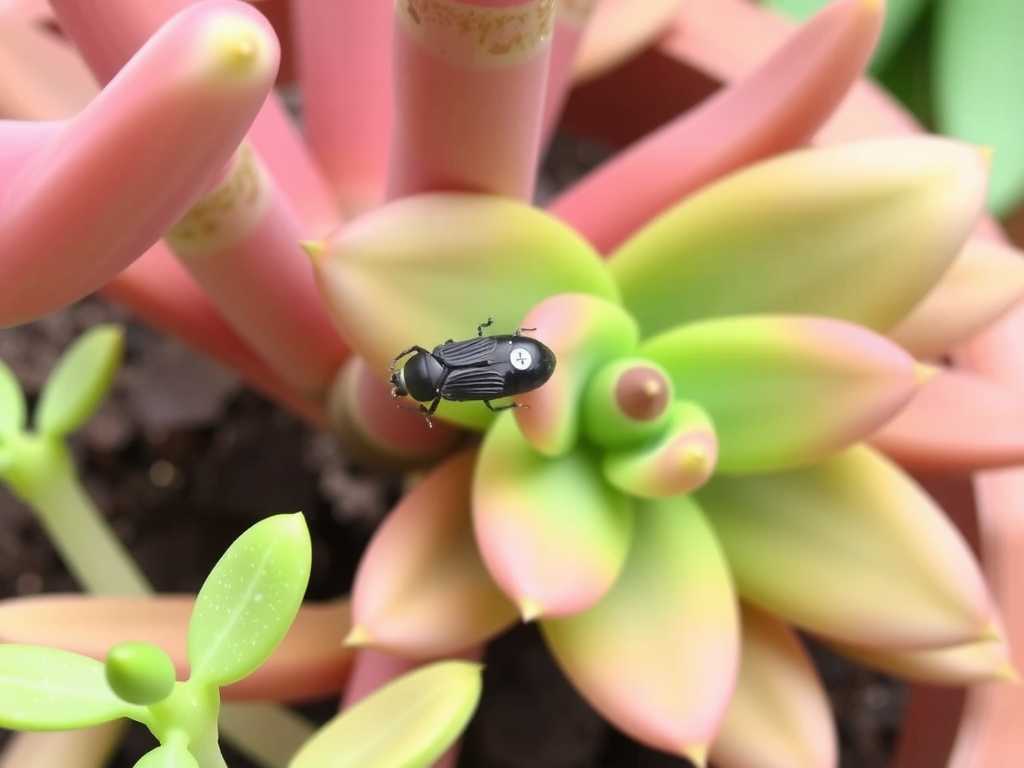
My Step-by-Step Process:
- I mixed a solution of 70% isopropyl alcohol and water, using a 1:1 ratio. Some experts, like those from the Royal Horticultural Society (RHS), recommend using rubbing alcohol at full strength for direct dabbing, as it evaporates quickly, minimizing plant damage. I tested both.
- Armed with a pack of cotton swabs, I inspected every inch of the jade plant. I gently turned leaves and examined each stem joint.
- I dipped a swab in the alcohol solution, carefully dabbed it directly onto every white mass I saw, and watched the bugs dissolve on contact. For smaller nymphs, I used a light wiping motion.
- I repeated this process every 3-4 days for the entire two-week period.
The Two-Week Observation & The Pitfall I Hit: Within the first few days, the visible adults were gone. However, by day 5, I spotted new, tiny white specks—hatched eggs. This is the critical pitfall: treating only the adults. The solution was relentless consistency. The life cycle was broken by my repeated applications on days 1, 4, 7, 10, and 13. By the end of the second week, no new bugs appeared.
Pro Tip: The American Horticultural Society (AHS) advises isolating the infected plant immediately to prevent spread. I moved my jade plant to a separate room, which undoubtedly saved my nearby succulents.
Creating a Hostile Environment: The Soap and Oil Smothering Spray
When the infestation is more widespread, you need a blanket approach that disrupts the mealybugs' ability to breathe and cling to the plant. This hack involves making a natural insecticidal soap spray.
My Step-by-Step Process:
- I combined 1.5 teaspoons of a mild, liquid Castile soap (not detergent) with 1 liter of lukewarm water in a spray bottle. To this, I added 1 teaspoon of cold-pressed neem oil, a natural insecticide that also disrupts growth cycles.
- Before spraying the entire plant, I performed a patch test on a single leaf and waited 48 hours to check for damage. My jade was fine.
- In my sink, I thoroughly sprayed the plant, ensuring I drenched every surface—top and bottom of leaves, stems, and soil surface. I used a soft toothbrush to very gently dislodge stubborn clusters before spraying again.
- I let the plant sit for about 45 minutes, then rinsed it gently with lukewarm water to prevent soap residue from clogging the pores. This is a key step for jade plants.
- I applied this treatment once a week for two weeks.
The Two-Week Observation & The Pitfall I Hit: After the first application, the plant looked clean. But I made a major mistake: I didn't rinse the soap off thoroughly enough. A few days later, some leaves showed signs of irritation. The solution was to be more diligent with rinsing. For the second application, I used a gentle stream of water for a full minute, supporting the soil to avoid overwatering. This natural mealybug treatment for succulents proved highly effective when done correctly. By the second week, the plant was pest-free and showed no further phytotoxicity.
The Nuclear Option for Stubborn Cases: Soil Drench and Root Inspection
Sometimes, mealybugs attack from below. If your plant continues to decline despite surface treatments, you might be dealing with root mealybugs. This requires a more invasive tactic.
My Step-by-Step Process:
- I gently removed the jade plant from its pot, shaking off as much old soil as possible into a trash bag.
- I inspected the root ball. Sure enough, tiny white specks were visible among the roots—a confirmed root mealybug issue.
- I prepared a basin with the same soap and neem oil solution (weaker: 1 tsp soap per liter) and submerged the entire root system for 10 minutes, agitating it gently.
- After the soak, I rinsed the roots with clean water. I then pruned away any severely infested or dead roots with sterilized scissors.
- I repotted the plant in a clean pot with entirely fresh, well-draining succulent mix.
The Two-Week Observation & The Pitfall I Hit: The plant went into shock, as expected. Some leaves wrinkled and softened. My pitfall was panic-watering. The solution was patience. I placed the repotted jade in bright, indirect light and withheld water for a full week to allow roots to heal and callous. I then resumed a very careful watering schedule. By the end of the two weeks, the plant had stabilized, and crucially, there was zero evidence of returning pests. This targeted hack for jade plant pests addressed the core of the problem.
Your Questions, Answered from My Experience
Can a severe mealybug infestation kill a mature jade plant? Yes, absolutely. If left unchecked, the constant loss of sap severely weakens the plant, stunts all new growth, and opens the door to secondary fungal diseases. My largest jade showed significant leaf drop before I intervened. Early and consistent action is key to saving your plant.
How often should I check my plants to prevent future outbreaks? Make it part of your weekly watering routine. During my two-week experiment, I checked every other day. Now, a quick visual scan of my plants, especially under leaves and in stem joints, each week is enough for early detection. Isolation of new plants for 2-3 weeks is a non-negotiable practice I’ve adopted.
Why did my homemade spray not work the first time I tried it? The most common reasons, which I also encountered, are inconsistency and incorrect dilution. A single spray won't break the egg cycle. Furthermore, using a harsh dish detergent instead of a true soap can damage the plant's cuticle. Stick to a schedule for at least two weeks and use the right ingredients.
Winning the war against jade plant mealybugs naturally is entirely possible, but it requires a shift in mindset from a one-time cure to a short-term campaign of consistent, targeted interventions. Whether you choose the precision of alcohol swabs, the smothering action of a soap spray, or the comprehensive approach of a root drench, the pillars of success are the same: thoroughness, patience, and repeated action over a minimum of two weeks. My jade plant is now thriving, pest-free, and putting out new growth. By understanding these methods and learning from the pitfalls, you can rescue your plant without resorting to harsh chemicals, ensuring a healthy, natural environment for your indoor garden to flourish.