bluename
 How to Cure jade plant Fungal Leaf Spots Fast: 3 Rapid Fixes
You’ve lovingly cared for your jade plant, only to find unsightly brown, black, or yellow spots marring its plump, green leaves. This common issue, known as fungal leaf spots, can spread quickly, threatening the health and beauty of your resilient succulent. The sight can be alarming, but don’t despair. With prompt and correct action, you can stop the spread and restore your plant to health. This guide provides three rapid, effective fixes to cure jade plant fungal leaf spots fast, ensuring your plant thrives once again.
Understanding the Enemy: What Are Fungal Leaf Spots?
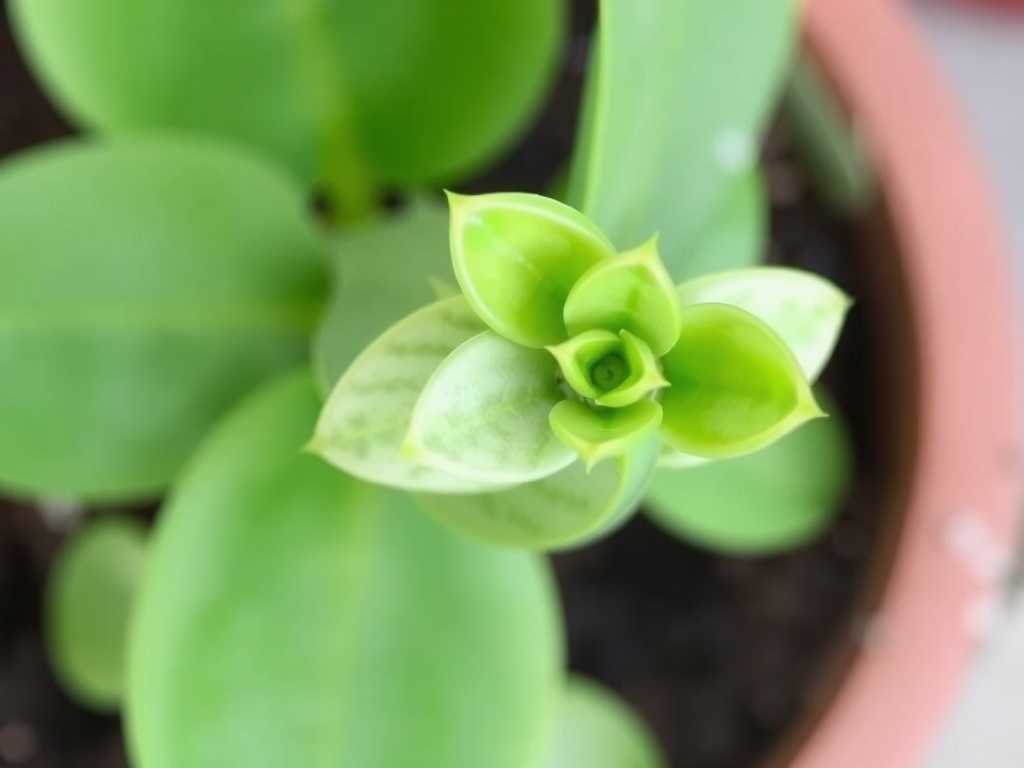
Before diving into the solutions, it’s crucial to identify the problem correctly. Fungal leaf spots on jade plants are typically caused by pathogens like Cercospora or Colletotrichum. These fungi thrive in moist, poorly ventilated conditions. The spots often start small, appearing as water-soaked lesions that turn brown or black, sometimes with a yellow halo. They can cause leaves to yellow, wilt, and eventually drop. Accurate identification is the first step toward an effective cure for these troublesome spots.
Rapid Fix #1: Immediate Isolation and Pruning
The moment you suspect a fungal issue, swift isolation is non-negotiable. Fungal spores travel easily through the air and can infect your other houseplants.
Step 1: Quarantine Your Plant Move the affected jade plant to a separate room or area away from your other greenery. This simple step prevents a localized issue from becoming an epidemic in your plant collection.
Step 2: Sterilize Your Tools Always use sterilized pruning shears or scissors. Wipe blades with isopropyl alcohol or a 10% bleach solution before and after use. This prevents you from accidentally transferring pathogens to healthy tissue.
Step 3: Prune with Precision Carefully remove all visibly infected leaves and stems. Make clean cuts into healthy tissue, about half an inch beyond the visible spot. Do not compost this material; seal it in a bag and dispose of it with your household trash. This surgical removal of infected parts is one of the fastest ways to halt the disease's progress.
Rapid Fix #2: Environmental Correction and Cultural Control
Fungi need specific conditions to flourish. By altering your plant’s environment, you remove the disease’s foundation. This is often the most critical long-term fix.
Adjust Your Watering Technique Overwatering is the most common culprit. As noted by horticulturist Dr. Linda Chalker-Scott, "Many plant diseases are preventable through proper watering." Allow the soil to dry out completely between waterings. Always water at the soil level, avoiding splashing water onto the leaves, as wet foliage is an open invitation for fungal spores.
Optimize Light and Airflow Place your jade plant in a location with bright, indirect light. A south or west-facing window is ideal. Good air circulation is vital; use a small fan on a low setting nearby to keep air moving, but avoid placing the plant in a harsh draft. This creates an environment where fungi struggle to establish.
Review Potting and Soil Health Ensure your pot has adequate drainage holes. Consider repotting into a fresh, well-draining succulent or cactus mix. A gritty soil composition ensures excess water flows through quickly, preventing the soggy conditions fungi love.
Rapid Fix #3: Application of Natural and Chemical Treatments
For active infections, environmental changes may need support from direct treatments. Start with gentler options before progressing.
Natural Fungicide: Neem Oil Solution Neem oil is a potent, plant-safe antifungal agent. Mix according to label instructions (typically 1-2 teaspoons per gallon of water with a few drops of mild soap as an emulsifier). Spray the solution thoroughly on all plant surfaces—tops and bottoms of leaves, and stems—until dripping wet. Repeat every 7-14 days until the infection clears. This treatment smothers existing spores and creates a protective barrier.
Baking Soda Spray (Preventative) For mild cases or as a preventative after treatment, a baking soda spray can alter leaf surface pH, inhibiting fungal growth. Mix 1 teaspoon of baking soda and ½ teaspoon of mild liquid soap into 1 liter of water. Spray lightly on the plant. Test on a single leaf first and use sparingly, as it can build up on leaves.
Using a Commercial Fungicide For severe, persistent infections, a copper-based fungicide or a product containing chlorothalonil can be effective. These are powerful tools. Always choose a product labeled for use on succulents or ornamentals, and follow the manufacturer's instructions meticulously regarding dosage, application intervals, and safety precautions.
How to Prevent Fungal Leaf Spots from Returning
Curing the problem is only half the battle. Prevention ensures it doesn’t come back.
- Maintain a Consistent Watering Schedule: Water only when the top inch of soil is bone dry.
- Prioritize Excellent Drainage: Always use pots with holes and fast-draining soil.
- Provide Ample Light and Space: Give your jade plant plenty of light and don’t crowd it with other plants.
- Inspect Regularly: Make a habit of checking your plant’s leaves during routine care. Early detection makes any fix faster and easier.
Why are the leaves on my jade plant turning yellow with spots? Yellow leaves with spots are a classic sign of a fungal infection, often exacerbated by overwatering. The fungus damages the leaf tissue, interrupting chlorophyll production and causing yellowing (chlorosis) around the infected spots. Address both the infection with pruning/treatment and the root cause by adjusting your watering habits immediately.
Can I use cinnamon to treat fungal spots on my jade plant? While cinnamon has mild antifungal properties and is excellent for drying out minor cuts on stems, it is not a reliable cure for an active, spreading fungal leaf spot infection. It’s best used as a supplemental drying agent on freshly pruned stems rather than as a primary treatment for leaf lesions. For active spots, neem oil or a recommended fungicide is more effective.
How long does it take for a jade plant to recover from fungal disease? With prompt application of the rapid fixes outlined—pruning, environmental correction, and treatment—you should see the spread of spots stop within 1-2 weeks. New, healthy growth will appear in the following weeks. Full recovery, where the plant regains its lush appearance, can take a few months. Patience and consistent care are key during this period.
Successfully curing fungal leaf spots hinges on immediate action and addressing the underlying cause. By isolating and pruning the infected parts, correcting the environment to eliminate excess moisture, and applying a targeted treatment, you create a multi-layered defense. Remember, a healthy jade plant in ideal conditions is your best long-term prevention strategy. Consistent care, proper watering, and good airflow will keep your succulent robust and resistant, allowing you to enjoy its serene beauty for years to come without the worry of recurring spots.