bluename
 How to Fix jade plant Leaf Yellowing from Cold: 5 Winter Fixes
There’s a special kind of plant parent panic that sets in when you walk over to your beloved, decades-old jade plant and see a cluster of leaves turning a sickly yellow. It feels personal. I know because it happened to me last December. My sprawling Crassula ovata, a fixture in my sunny living room for years, suddenly started signaling distress. The culprit? The cold. Not a dramatic freeze, but the steady, subtle chill from a drafty window I hadn’t properly accounted for. If you’re here, you’re likely facing the same heart-sinking sight: jade plant leaf yellowing from cold. This isn’t just an aesthetic issue; it’s a cry for help from a plant that thrives in warm, stable conditions. Over two weeks of careful intervention, I turned my plant around, and I’ll guide you through the exact, practical steps I took, including the mistakes I made along the way.
Understanding the “Why” Before the “How”
Before we jump into the fixes, it’s crucial to understand what’s happening inside your plant. Jade plants are succulents native to South Africa, built for warm, arid climates. According to the Royal Horticultural Society (RHS), temperatures below 50°F (10°C) can cause significant stress to these plants. When exposed to cold, the cells in the leaves can be damaged, disrupting their ability to function. Chlorophyll breaks down, revealing the yellow pigments (carotenoids) that were always there but masked by the green. This yellowing of jade plant leaves is the first visible sign of cold stress. If unaddressed, it can lead to soft, mushy leaves (a sign of frost damage) and eventually, leaf drop or stem rot.
My journey began when I noticed this yellowing on the side of the plant closest to the window. I initially overreacted, which was my first mistake. I assumed it was overwatering and withheld water entirely for two weeks in already dry winter air, compounding the stress. It was only after checking the soil moisture with a meter and feeling the cold glass nearby that I connected the dots. This brings us to our first, most critical fix.
Fix 1: The Immediate Relocation and Temperature Audit
The moment you suspect cold is the issue, move your plant. This seems obvious, but the where matters immensely.
- My Action: I moved my jade plant to a spot about 8 feet away from any windows or exterior doors. I chose an interior wall that maintained a consistent room temperature. I also used a digital thermometer to monitor the area for 24 hours, confirming it stayed steadily between 65-75°F (18-24°C), the ideal range recommended by the American Horticultural Society (AHS).
- The Mistake & Solution: My initial “safe spot” was on a high shelf. I forgot that heat rises, and the temperature up there was a good 5 degrees warmer than at the plant’s original height. This created an uneven environment. I moved it back to a stable, mid-room location on a plant stand. Avoid placing your jade near heat vents as well, as the sudden blasts of hot, dry air are equally stressful.
- The 2-Week Observation: Within the first 4-5 days, the progression of yellowing on existing leaves stopped completely. No new leaves began to yellow. This was my confirmation that temperature was the core issue. The already-yellowed leaves did not revert to green (they never will), but they remained plump and attached, which was a good sign.
Fix 2: Mastering the Winter Watering Pause
This is where most guides get it wrong for cold-stressed plants. Cold soil + wet roots = disaster. A plant in cold conditions uses water extremely slowly, and soggy soil accelerates root rot.
- My Action: I performed a true soil check. I stuck my finger 2-3 inches deep into the pot. The top inch was dry, but deeper down, it was still slightly damp from a watering two weeks prior. I did not water. I waited.
- The Mistake & Solution: A week after relocating it, I saw a leaf wrinkle slightly and panicked, thinking it needed water. I gave it a small drink. This was premature. The wrinkle was likely from the prior combined stress, not current thirst. I immediately increased airflow around the pot with a small fan on low (not directly on the plant) to help the soil dry more evenly and prevent any potential rot from my overzealous watering.
- The 2-Week Observation: I did not water my jade plant for the entire two-week observation period post-move. The soil took a full 18 days to dry out completely to the bottom of the pot. The plant showed no further signs of thirst, proving it was effectively dormant. When I finally watered, I used room-temperature water (never cold) and watered thoroughly, allowing all excess to drain away.
Fix 3: Maximizing Available Light Without the Chill
Winter light is weak, and moving a plant away from a window reduces light exposure. We need to compensate without reintroducing cold.
- My Action: I cleaned the south-facing window in my home to maximize every bit of available sunlight. I also gently rotated the plant 90 degrees every 3-4 days to ensure all sides received equal light, preventing lopsided growth.
- The Mistake & Solution: I considered a grow light but bought a cheap, overly intense purple LED panel. It caused slight bleaching on the top leaves after just three days. I returned it and invested in a full-spectrum, white LED grow light with adjustable brightness. I placed it 18 inches above the plant and set it on a timer for 12 hours a day, simulating a good summer day.
- The 2-Week Observation: The combination of the clean window and the supplemental grow light made a dramatic difference. The plant’s overall color became more vibrant, and I noticed firm, new growth tips emerging by the end of the second week—a sure sign of recovery and health.
Fix 4: Conducting a Root and Soil Health Check
Sometimes, cold stress can unmask or lead to other problems. A careful inspection is wise.
- My Action: After the plant had stabilized in its new location for about 10 days, I very carefully tipped it out of its pot to inspect the root ball. I was looking for dark, mushy roots or a sour smell—signs of rot.
- The Mistake & Solution: I was too rough. I tugged on the stem and disturbed the root ball more than necessary. For a stressed plant, minimal disturbance is key. The correct method is to gently squeeze the pot and slide the root ball out. Thankfully, the roots were healthy: firm and white with a slight pinkish tinge. I placed it back in its pot immediately and gently firmed the soil around the edges.
- The 2-Week Observation: Because the roots were healthy, the plant continued to improve. Had I found rot, the protocol would have shifted to carefully removing rotten roots, letting the root ball dry for a day, and repotting in fresh, dry succulent mix.
Fix 5: Strategic Pruning and Patience
You cannot save the yellow leaves. The plant will eventually shed them. Your role is to decide when to help.
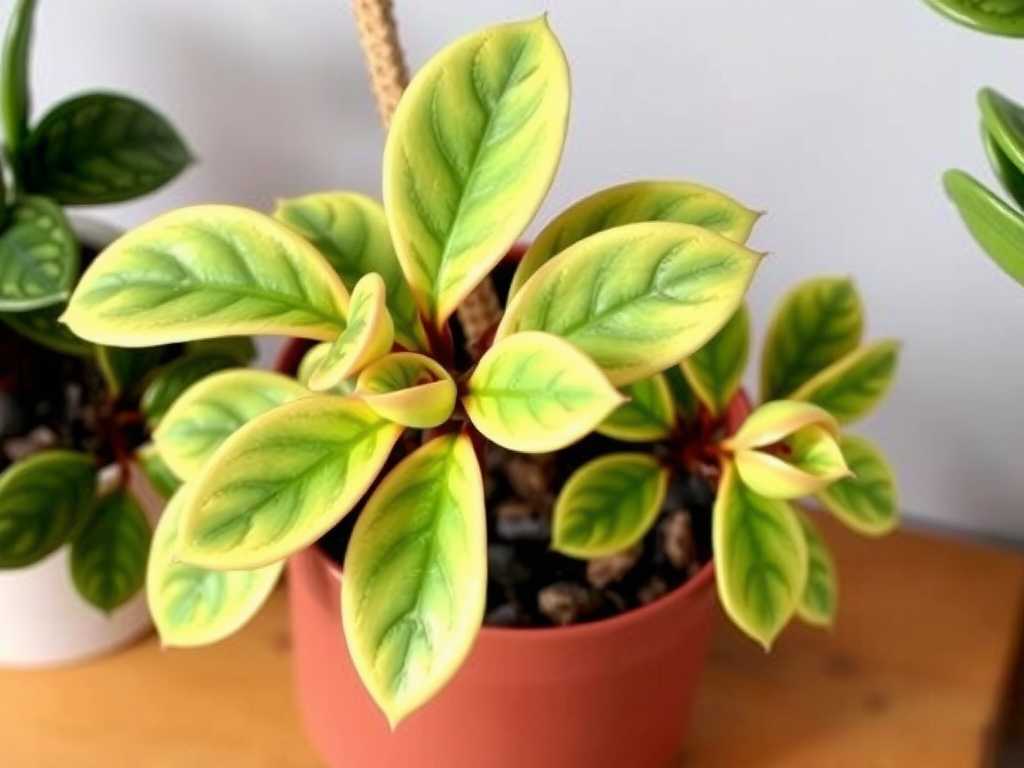
- My Action: I left the slightly yellowed but still plump leaves completely alone. They were still contributing energy. For two leaves that had turned fully yellow and become slightly soft, I used sterilized, sharp tweezers to gently tug them. They came off cleanly with no resistance.
- The Mistake & Solution: Early on, I pruned a slightly yellowing leaf by cutting it, leaving a small stub on the stem. This stub later shriveled and looked unsightly. The better method is to let the plant abscise (shed) the leaf naturally, or if it’s truly ready, gently pull it so it detaches at the natural breaking point at the stem.
- The 2-Week Observation: The plant dropped only 3 leaves total over two weeks. After removing the soft ones, no others fell. Energy was clearly being redirected to new growth. I resisted any fertilizer, as recommended by the RHS for plants in recovery or dormant periods, to avoid forcing growth it couldn’t support.
Will the yellow leaves turn green again? No, they will not. Once a jade plant leaf turns yellow due to cold damage or any other chlorophyll-loss reason, that process is irreversible. The leaf will either remain yellow until the plant reabsorbs its nutrients and sheds it, or it may drop. Focus on providing optimal care to ensure the new growth emerges healthy and green.
My jade is in a warm room but still has yellow leaves. What else could it be? If temperature is ruled out, the next most common culprit is watering. “Warm room” can be deceptive. Check if the plant is sitting in constantly wet soil, which leads to root rot and identical yellowing. Conversely, extreme underwatering over a long period can also cause yellowing and shriveling. Assess your watering habits against the soil’s actual moisture level, not a schedule.
Should I repot my jade plant immediately after cold damage? Absolutely not. Repotting is an additional major stress. Your plant needs stability. Only consider repotting if, during a gentle root check, you discover active root rot. Even then, be as conservative as possible. For a plant simply yellowing from cold, focus on the environmental fixes (temperature, light, water) first and allow it to recover fully—which can take a full growing season—before considering a repot.
Seeing your jade plant bounce back from cold stress is incredibly rewarding. It requires a shift from a summer growth mindset to a winter survival and recovery strategy. The key takeaways are immediate action to stabilize temperature, a disciplined pause in watering, and providing gentle, supportive care without over-intervening. My plant, now three months past that scare, is pushing out vibrant new growth and has held onto all its remaining leaves. It’s a resilient species; with these focused fixes, you give it the best chance to not just survive the winter, but to thrive again.