bluename
 How to Fix jade plant Dry & Brittle Leaves: 4 Texture-Restoring Solutions
There’s a particular kind of plant-parent heartbreak that comes from running your fingers over the leaves of your beloved jade plant only to feel them papery, dry, and brittle. It’s a far cry from the plump, smooth, and resilient texture that makes the jade plant (Crassula ovata) so satisfying to touch. If you’re staring at your succulent, wondering where you went wrong, know this: you’re not alone, and this is almost always a fixable problem. I’ve been there, with a once-glorious jade whose leaves felt like potato chips. Over years of trial, error, and consultation with expert resources like the Royal Horticultural Society (RHS), I’ve distilled the recovery process into four targeted, texture-restoring solutions. In this guide, I’ll walk you through exactly what I did, the mistakes I made along the way, and the tangible results I observed over a critical two-week revival period.
The key to fixing dry and brittle jade plant leaves lies in understanding that this texture is a symptom, not the disease itself. It’s the plant’s final, desperate memo that its internal water reserves are critically low. Our job is to diagnose why it reached that state and to rehydrate it with precision, not panic.
Understanding the "Why": What Makes Jade Leaves Lose Their Succulence?
Before we jump into solutions, a quick diagnosis is essential. Brittle leaves scream "dehydration," but the root cause can be one of four main issues. Getting this wrong means applying the right fix to the wrong problem.
1. The Illusion of Thirst: Chronic UnderwateringThis is the most straightforward cause. Jade plants store water in their leaves, stems, and roots. When you consistently provide less water than it uses, it begins to deplete these reserves. The leaves, the primary storage units, shrivel and crisp up from the tips inward. A quick soil check—if it’s bone-dry and pulling away from the pot’s edges—confirms this.
2. The Silent Killer: Root Damage from Overwatering or Poor SoilParadoxically, the most common cause of a dehydrated-looking jade is actually too much water. I learned this the hard way. Soggy, poorly-draining soil suffocates roots, causing them to rot and die. With a compromised root system, the plant cannot absorb water, no matter how much you pour on top. The result? A plant that sits in moist soil while its leaves turn dry and brittle. The American Horticultural Society (AHS) emphasizes that "root health is the foundation of plant health," and for succulents, this means sharp drainage is non-negotiable.
3. Environmental Sap: Low Humidity and Heat StressJade plants prefer moderate humidity. Placed directly over a heating vent, in the blast of an air conditioner, or in an exceptionally arid room, the rate of moisture loss from the leaves can outpace what the roots can supply. This leads to localized dryness and brittleness, often starting on the side facing the stressor.
4. A Cry for Space: Being Pot-BoundWhen a jade plant has completely filled its pot with roots, there’s little soil left to retain moisture and nutrients. Water often runs straight through the drainage hole, and the crowded roots struggle to function efficiently. Your plant may be drinking, but it can’t drink enough at each watering to replenish its stores.
The 4-Step Texture Restoration Protocol: My 2-Week Recovery Journal
Here is the exact sequence of actions I took to revive my brittle jade. I implemented these over a single weekend and then meticulously observed the changes for the next 14 days.
Solution 1: The Diagnostic Soak & Soil Assessment
The first step is a thorough, corrective watering—but only if the roots are healthy. I gently tipped the plant out of its pot to inspect the root ball. To my relief, the roots were mostly white and firm, not brown and mushy. This confirmed underwatering as the primary issue.
My Steps:
I placed the nursery pot inside a basin filled with about 2 inches of lukewarm water (the "bottom-watering" method).
I let it sit for 30-45 minutes, allowing the soil to wick moisture up from the bottom until the top surface felt damp.
I removed it, let it drain completely in the sink, and returned it to its spot.
The "Gotcha" Moment: My initial mistake was top-watering quickly. The water had channeled down the dry gaps between the soil and pot wall without wetting the core root mass. Bottom-watering ensures complete, even saturation.
2-Week Observation: Within 3-5 days, I noticed a change. The most plump, healthy leaves at the top began to feel slightly firmer. The severely brittle outer leaves did not recover—this is important. They will not turn back to green and plump; they will eventually be shed. The goal is to stop the progression and restore the remaining leaves. By Day 14, the overall plant structure looked less shriveled, and new leaf buds at the stem tips felt turgid.
Solution 2: Strategic Pruning for Energy Redirection
You cannot save every leaf. Clinging to dead or terminally brittle growth forces the plant to waste energy. Pruning is an act of mercy.
My Steps:
Using sterilized, sharp micro-tip snips, I carefully removed leaves that were more than 50% crispy or yellowed. I made clean cuts close to the main stem.
I also pruned back one leggy, weak stem to encourage bushier growth from the base.
The "Gotcha" Moment: I used blunt scissors initially, which crushed the stem tissue instead of cutting it. This can invite disease. Clean, sharp tools are a must.
2-Week Observation: The plant’s energy visibly redirected. Within 10 days, the nodes just below my cuts on the leggy stem sprouted tiny, bright green new growth. The plant looked less "stressed" and more focused. Removing the hopeless leaves also improved air circulation and let light reach the healthier parts.
Solution 3: The Humidity Haven Technique
While jades don’t need tropical humidity, a slight boost can ease the rehydration stress. I didn’t buy a humidifier; I created a microclimate.
My Steps:
I gathered a few small pebble trays (shallow saucers filled with pebbles and water).
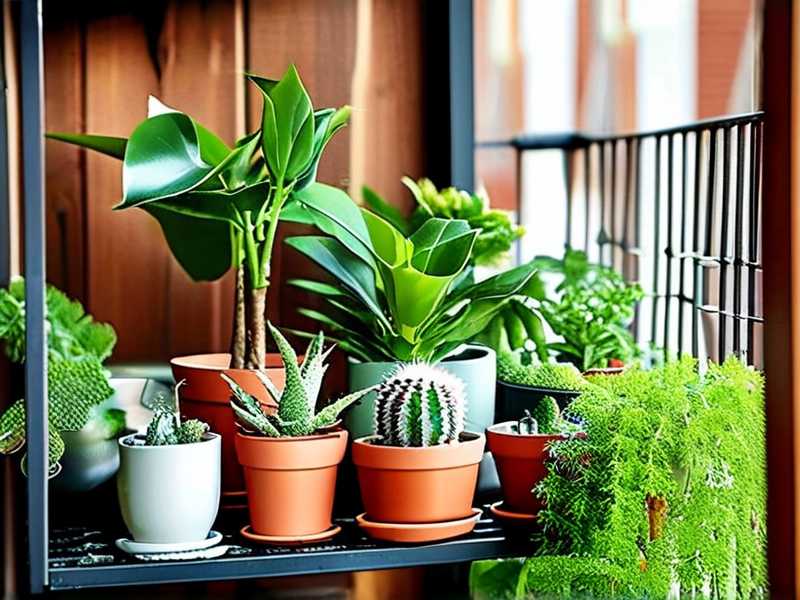
I grouped my jade with a few other healthy houseplants around these trays. As the water evaporates, it raises the humidity immediately around the foliage cluster.
The "Gotcha" Moment: Avoid misting the leaves directly, especially in cool or low-light conditions. This can lead to fungal spots on the delicate, recovering tissue. The RHS advises against misting succulents for this precise reason.
2-Week Observation: This was a subtle but supportive measure. The newest, most tender leaves showed no signs of tip dryness. The existing leaves maintained their rehydrated state without losing moisture to the dry room air. It created a stable recovery environment.
Solution 4: Repotting as a Last Resort (With the Right Mix)
My inspection showed the plant was becoming slightly pot-bound. While not the main crisis, addressing it would secure long-term health. I scheduled this for the end of the two-week period, once the plant was stronger.
My Steps:
I chose a new pot only 1-2 inches wider in diameter, as jades prefer being snug.
I mixed a well-draining succulent soil (this is a critical long-tail keyword for jade plant care). My recipe was 2 parts standard potting soil, 1 part coarse perlite, and 1 part pine bark fines for aeration. This mix is crucial for preventing future root rot.
I repotted gently, watered once to settle, and then returned to my careful watering schedule.
The "Gotcha" Moment: My first mix years ago was too dense. Even "cactus mix" can sometimes retain too much moisture. Creating your own blend or amending a commercial mix with extra perlite gives you control over drainage, which is vital for restoring jade plant leaf texture.
2-Week Observation (Post-Repot): In the weeks following the repot, growth accelerated. The plant had access to fresh nutrients and space for root expansion. This solidified the recovery and set the stage for vigorous, plump new growth.
Your Questions, Answered
Can the completely brittle leaves ever become soft again?No, they cannot. Once a leaf has lost all its moisture reserves and cellular structure has collapsed, it is permanently damaged. The plant will eventually abort these leaves. Focus your efforts on rehydrating and saving the stems and any leaves that still have some flexibility.
How often should I water after the "diagnostic soak" to prevent recurrence?Abandon a calendar-based schedule. The golden rule for jade plant watering needs is to water only when the soil is almost completely dry. Stick your finger into the soil up to the second knuckle. If it feels dry, water thoroughly. In typical indoor conditions, this may mean every 2-3 weeks, but it varies drastically with season, light, and humidity.
My jade is in a "well-draining succulent soil" but still has issues. What now?Double-check your light and pot. Even perfect soil won’t help if the plant is in deep shade, as it won’t use water efficiently. Also, ensure your pot has a drainage hole. A pot that is too large will also hold wet soil for too long around the roots. Sometimes, fixing dry jade plant leaves is about the entire ecosystem—light, pot, soil, and water—working in harmony.
Reviving a jade plant with dry and brittle leaves is a lesson in patient, observant care. It’s not about a single heroic act but a series of correct, supportive adjustments. The transformation from crisp to firm is slow but profoundly rewarding. By diagnosing the true cause, executing a precise soak, pruning without sentiment, managing the microclimate, and finally ensuring a perfect home in the right soil, you give your plant the toolkit to restore itself. My two-week journey brought a plant back from the brink, and the plump, glossy leaves that emerged were a testament to the resilience of nature—and the power of informed, dedicated care.