bluename
 How to Eliminate jade plant Slugs Fast: 3 Quick-Remedy Hacks
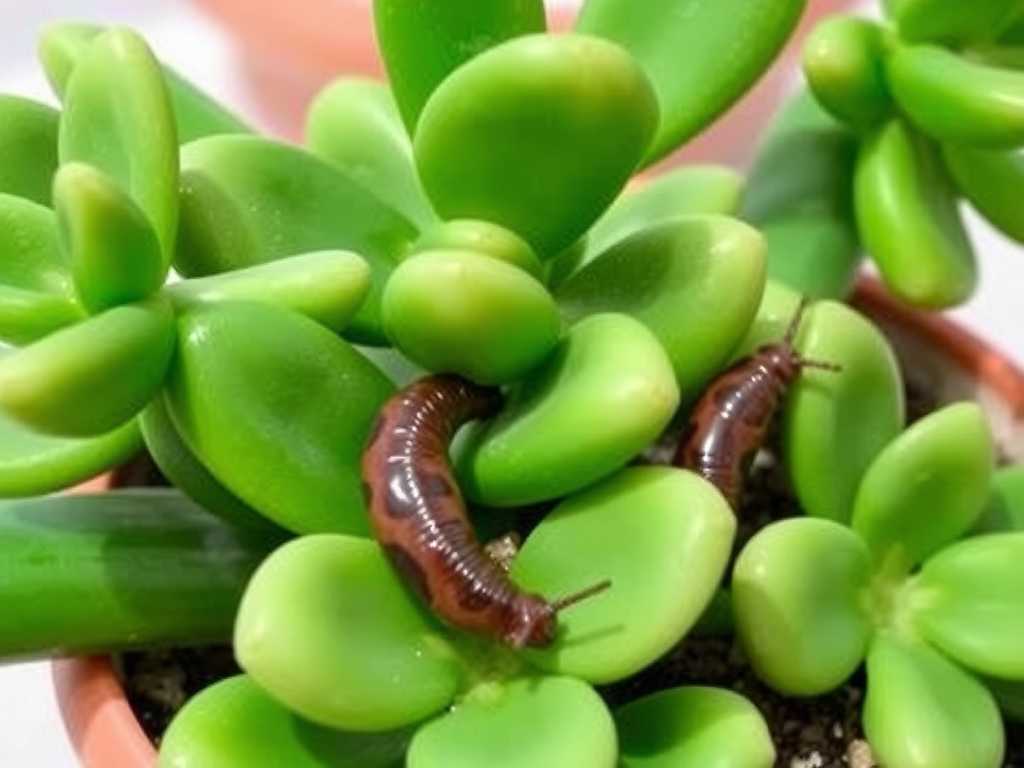
You’ve lovingly nurtured your jade plant, admiring its plump, glossy leaves, only to wake up one morning to a horrifying sight: ragged holes, silvery slime trails, and the culprits themselves—slugs—feasting on your succulent’s precious foliage. The frustration is real. These slimy invaders can quickly turn a symbol of prosperity into a pockmarked mess. But don’t despair. This guide is your action plan. We’re moving beyond slow, ineffective methods to deliver quick remedies for jade plant slugs that work. You can reclaim your plant’s health and beauty faster than you think.
Understanding your enemy is the first step to effective control. Slugs are moisture-loving mollusks that emerge at night or on cloudy, damp days. They’re attracted to the tender, juicy leaves of jade plants (Crassula ovata), using their rasping mouthparts to scrape away tissue, leaving characteristic irregular holes and those tell-tale shiny trails. Left unchecked, a severe infestation can stunt growth, cause significant leaf loss, and even introduce pathogens through the wounds. The goal isn’t just to remove the slugs you see but to create an environment where they cannot thrive.
Hack #1: The Immediate Nighttime Raid (Manual Removal & Trapping)
When you need results tonight, a direct, hands-on approach is the fastest way to drastically reduce the slug population on your jade plant.
Your Tools for the Night Raid Arm yourself with a flashlight, a pair of gloves, a container of soapy water or rubbing alcohol, and optional traps. The best time to strike is about two hours after full darkness, when slugs are most active.
The Two-Pronged Attack First, conduct a meticulous inspection. Shine your light on the jade plant’s leaves, especially the undersides, along the stems, and the soil surface. Pick off every slug you find and drop them into your soapy water solution, which ensures a quick demise. Don’t forget to check the pot’s rim, saucer, and the surrounding area.
Simultaneously, deploy simple, effective traps. The beer trap is a classic for a reason. Bury a shallow dish or container (like a yogurt cup) so the rim is level with the soil surface. Fill it halfway with cheap beer. Slugs are irresistibly drawn to the yeast, fall in, and drown. For a non-alcoholic option, use a mixture of yeast, sugar, and warm water with similar effectiveness. Check and empty these traps every morning.
Why This Hack Works for Fast Elimination This method provides instant gratification and tangible results. Horticulturist Dr. Eleanor Vance notes, “Manual removal, while labor-intensive at first, offers immediate population knockdown. It breaks the feeding cycle instantly, giving your jade plant immediate relief from further damage.” You are physically removing the problem, which is the most straightforward way to get rid of slugs on jade plants without waiting for other remedies to take effect.
Hack #2: Create a Fortress (Barrier Methods)
Once you’ve handled the immediate invaders, it’s time to fortify your plant’s defenses. Barrier methods work by creating a dry, sharp, or irritating perimeter that slugs are reluctant to cross.
Choosing Your Defensive Material Several highly effective, natural barriers exist:
- Diatomaceous Earth (Food Grade): This fine powder, made from fossilized algae, feels soft to us but is lethal to slugs. Its microscopic sharp edges lacerate their soft bodies, causing them to dehydrate. Sprinkle a generous, uninterrupted ring around the base of your jade plant pot and on the soil surface. Reapply after watering or rain.
- Sharp Grit: Crushed eggshells, horticultural grit, or even coarse sand create a painful, scratchy surface for slugs to traverse. Ensure the layer is wide and thick enough to be a real deterrent.
- Copper Tape or Mesh: When slugs touch copper, it reacts with their slime, creating a mild electric shock sensation. Adhesive copper tape around the pot’s rim or a copper mesh collar can be a long-lasting, weather-resistant barrier.
Application is Key for Total Protection The secret to a successful barrier is consistency. The ring must be complete, with no gaps for slugs to slip through. For potted jade plants, applying the barrier directly to the pot itself, rather than just the shelf or table it sits on, is more effective. Combine this with keeping the immediate area free of debris, fallen leaves, and other hiding spots to enhance your fortress’s strength.
Hack #3: Strategic Repotting and Environmental Control
Sometimes, the infestation is a symptom of an environment that’s too welcoming. This hack addresses the root cause to prevent a recurring problem, offering a permanent solution for slugs on succulents.
The Soil and Moisture Audit Slugs thrive in moist, organic-rich soil. Standard potting mix often retains too much moisture for succulents and can harbor slug eggs. Conduct an audit: Does the soil stay damp for days after watering? Is there a layer of wet mulch or decaying matter on top? Overwatering is the most common contributor to slug-friendly conditions.
The Repotting Protocol for a Slug-Free Future
- New, Well-Draining Soil: Choose a specialist cactus and succulent potting mix. You can further improve drainage by amending it with extra perlite or pumice (up to a 50/50 mix).
- The Right Pot: Ensure your pot has ample drainage holes. Consider a terracotta pot, which wicks away excess moisture from the soil.
- The Clean Start: Gently remove your jade plant from its old pot. Carefully shake away the old soil from the roots, inspecting for any slugs or eggs. Trim away any dead or rotten roots.
- Rebuild the Environment: Place your plant in the new pot with fresh, dry succulent mix. Wait at least a week before the first watering to allow any root damage to callous and to signal to slugs that this is a dry, inhospitable home.
Mastering the Watering Schedule Post-repotting, adopt the “soak and dry” method. Water deeply only when the soil is completely dry throughout the pot. For jade plants, it’s better to err on the side of underwatering. This creates a soil environment that is perfect for your succulent but hostile to moisture-dependent slugs.
Frequently Asked Questions
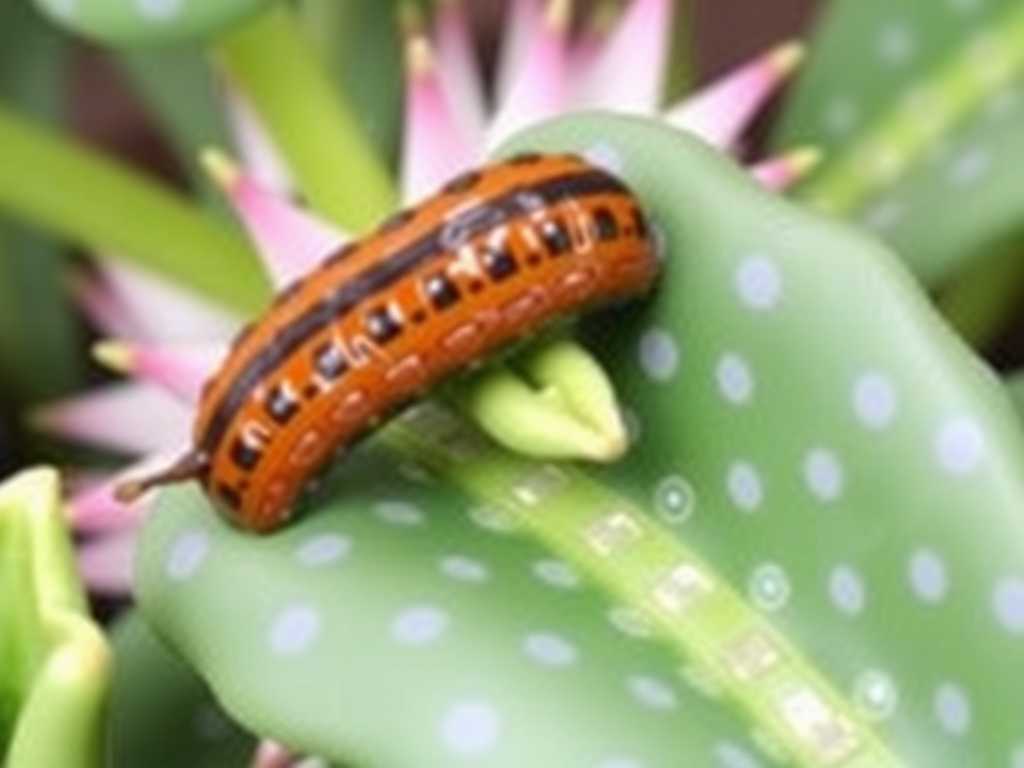
Q: Are slugs on my jade plant dangerous to me or my pets? A: No, the slugs themselves are not poisonous. However, they can carry parasites or bacteria from other parts of the garden. The primary danger is to the plant’s health. Also, some slug control methods (like certain chemical baits) can be harmful to pets, so always opt for pet-safe options like diatomaceous earth (food grade), copper barriers, or manual removal.
Q: I’ve tried beer traps but they don’t seem to catch many. What am I doing wrong? A: Placement and maintenance are crucial. Ensure the trap’s rim is perfectly level with the soil surface—not above or below. Use fresh beer every couple of days, as the yeast scent diminishes. Also, if you’re using a highly effective barrier like diatomaceous earth, slugs may not be able to reach the trap at all, which is actually a sign of success!
Q: Can I use salt to kill slugs on my jade plant? A: It is strongly discouraged. While salt does kill slugs through rapid dehydration, it is extremely harmful to your plant and soil. Salt can easily splash onto the jade plant’s leaves or leach into the soil, causing severe dehydration, burn marks, and root damage, ultimately killing your plant. Always use targeted methods that protect your jade.
Watching slugs damage your jade plant can feel like a losing battle, but with these three targeted hacks, you have a complete strategy. Start with the immediate, satisfying action of the nighttime raid to stop the damage in its tracks. Fortify your plant’s position with a relentless physical barrier that turns your pot into a fortress. Finally, for lasting peace, reassess and correct the environmental conditions that invited the problem in the first place through strategic repotting and mindful watering. Consistency is your greatest ally. By combining these methods, you move from reactive panic to proactive control, ensuring your resilient jade plant can return to thriving, slug-free growth for years to come.