bluename
 How to Stop jade plant Leaf Curling from Underwatering: 5 Fixes
You’ve noticed it, haven’t you? Those once plump, smooth jade plant leaves are now starting to curl inwards, feeling thin and maybe even a bit wrinkled. It’s a heart-sinking sight for any plant lover. I’ve been there, staring at my beloved Crassula ovata, wondering what I did wrong. More often than not, the culprit is surprisingly simple: underwatering. While jade plants are famously drought-tolerant, they are not invincible. Prolonged thirst forces them to sacrifice their stored water, causing the leaves to curl and shrivel in a desperate attempt to conserve moisture. The good news? This is one of the easiest problems to fix. After dealing with this issue myself and carefully nursing my plant back to health over a two-week period, I’ve consolidated a clear, actionable plan. Here are 5 proven fixes to stop jade plant leaf curling from underwatering and restore its vibrant, lush appearance.
Understanding Why Your Jade Plant’s Leaves Curl
Before we dive into the solutions, it’s crucial to confirm the diagnosis. Leaf curling can sometimes signal overwatering or pests, but the signs of underwatering are distinct. Look for leaves that are curling upwards or inwards, becoming thin and leathery. They may develop wrinkles or soft spots that aren’t mushy. The soil will be bone-dry and may even pull away from the edges of the pot. The plant’s growth will have slowed or stopped. I learned this the hard way. Initially, I misread the curling and assumed it needed less water, almost pushing it into a critical state. It was a valuable lesson in careful observation. According to the Royal Horticultural Society (RHS), symptoms like leaf curl and wrinkling in succulents are classic indicators of water stress, often from a lack of consistent moisture when the plant is actively growing.
Fix 1: The “Bottom-Up” Deep Watering Soak
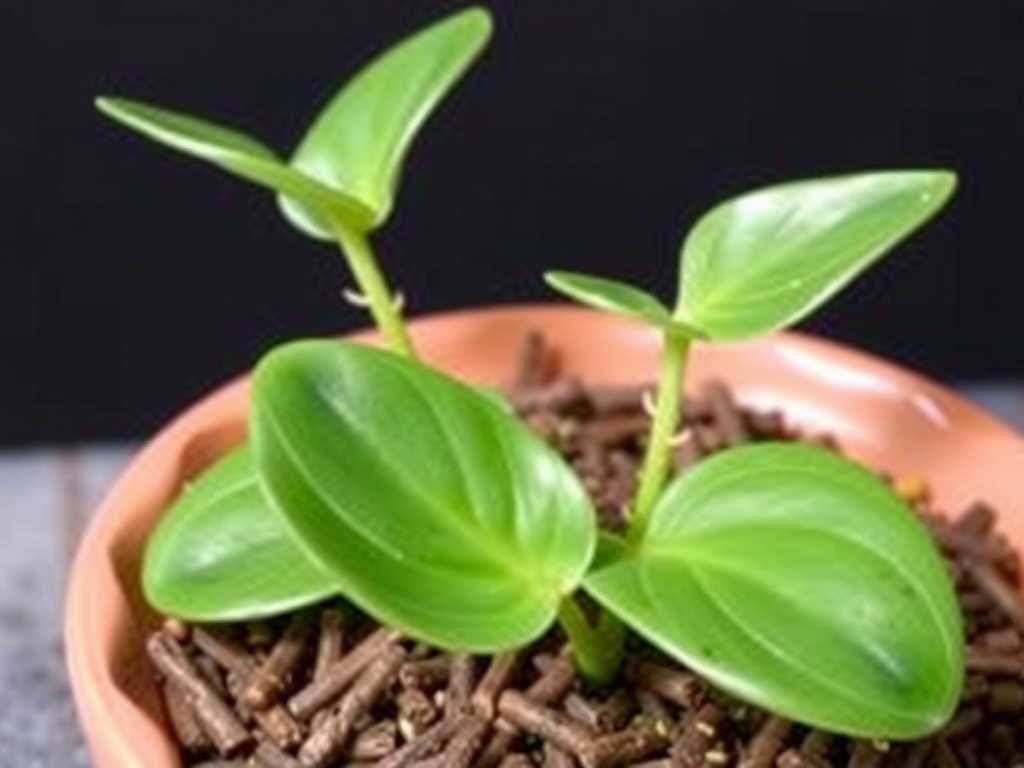
The first and most critical step is to properly rehydrate the root ball. A light surface sprinkle won’t cut it; the water will run down the dry soil channels and out the drainage hole without being absorbed. Your plant needs a deep, thorough drink.
My Step-by-Step Process:
- I filled my sink or a large basin with 3-4 inches of lukewarm water. Cold water can shock the roots.
- I placed the entire nursery pot (with drainage holes) into the water. This is called bottom watering.
- I let it sit for 30 to 45 minutes. You’ll see the topsoil become visibly moist.
- I removed the pot, let all excess water drain out completely, and returned it to its decorative cover or saucer.
The 2-Week Observation & The Pitfall I Hit: Within 3 days, I saw a slight improvement—the leaves felt less papery. However, after a week, some lower leaves continued to yellow and drop. I panicked, thinking I had overwatered! After consulting resources from the American Horticultural Society (AHS), I understood this was normal. The plant was shedding its most damaged, unsustainable leaves to focus energy on recovering the healthier ones. By the end of the second week, the curling had significantly reduced on the remaining foliage, and new firmness returned. The key lesson? Patience. Recovery isn’t instantaneous.
Fix 2: Establishing a “Check, Don’t Schedule” Watering Routine
The biggest mistake we make is watering on a calendar schedule. Your plant’s water needs change with seasons, light, and temperature. I abandoned my “every two weeks” rule.
My New Routine: I perform the “finger test” weekly. I insert my finger 2 inches into the soil. If it’s completely dry, it’s time to water. If I feel any coolness or moisture, I wait and check again in a few days. In the warmer, brighter growing season (spring/summer), this might be every 7-10 days. In the dormant winter period, it could stretch to 3-4 weeks. This simple shift is the single most effective long-term strategy to prevent jade plant dehydration.
Fix 3: Optimizing Your Soil for Moisture Retention and Drainage
Even with perfect watering, the wrong soil can sabotage you. Standard potting mix holds too much moisture and can compact, while pure succulent mix can drain too fast for a parched plant. The goal is a blend that holds moisture long enough for roots to drink but still drains excellently to prevent rot.
The Mix I Swear By: I created a custom blend: 2 parts high-quality succulent & cactus mix, 1 part perlite, and 1 part coconut coir. The succulent mix provides structure, the perlite ensures aeration and drainage, and the coconut coir retains moisture more evenly than peat moss without becoming soggy. When I repotted my recovering jade plant into this mix after its initial deep soak, the difference in recovery speed was noticeable. The roots had a consistently moist but airy environment to rehydrate safely.
Fix 4: Choosing and Using the Right Pot
The pot is your plant’s home, and its design directly impacts soil moisture. A pot that’s too large holds wet soil for too long, and one without drainage is a death sentence.
My Pot Selection Criteria:
- Material: I prefer unglazed terracotta pots. They are porous, allowing soil to dry more evenly and preventing the “wet feet” that cause root rot. This is especially helpful when recovering from underwatering, as it gives you more margin for error.
- Size: The pot should be only 1-2 inches wider in diameter than the root ball. An oversized pot is a common cause of curling jade leaves indirectly, as it makes proper watering frequency very difficult to gauge.
- Drainage: Non-negotiable. At least one large drainage hole is mandatory.
Fix 5: Creating the Ideal Environment for Recovery
While you address the watering, give your plant the best supportive environment to heal. This means optimal light and stable temperatures.
- Light: I moved my recovering jade to a spot with bright, indirect light. Direct, scorching afternoon sun can further stress a dehydrated plant, while too little light slows down its metabolic recovery. East or west-facing windows are ideal.
- Temperature & Humidity: I kept it away from drafts, air vents, and heaters. Sudden temperature fluctuations add stress. Average household humidity is fine; no need for misting (which can promote fungal issues on the leaves).
Monitoring Your Plant’s Recovery Journey
Don’t expect overnight miracles. After implementing these five fixes, here’s what I observed on my plant’s timeline:
- Days 1-3: Soil is rehydrated. Leaves may feel slightly less limp.
- Week 1: Leaf curling begins to slowly reduce. Some old, severely damaged leaves may yellow and drop—this is normal pruning by the plant.
- Week 2: Significant improvement. Most remaining leaves are plumper, firmer, and the curling is largely reversed. You may see signs of new growth at the stem tips.
- Ongoing: Maintain the “check, don’t schedule” routine. Your plant will regain its full, glossy glory with consistent care.
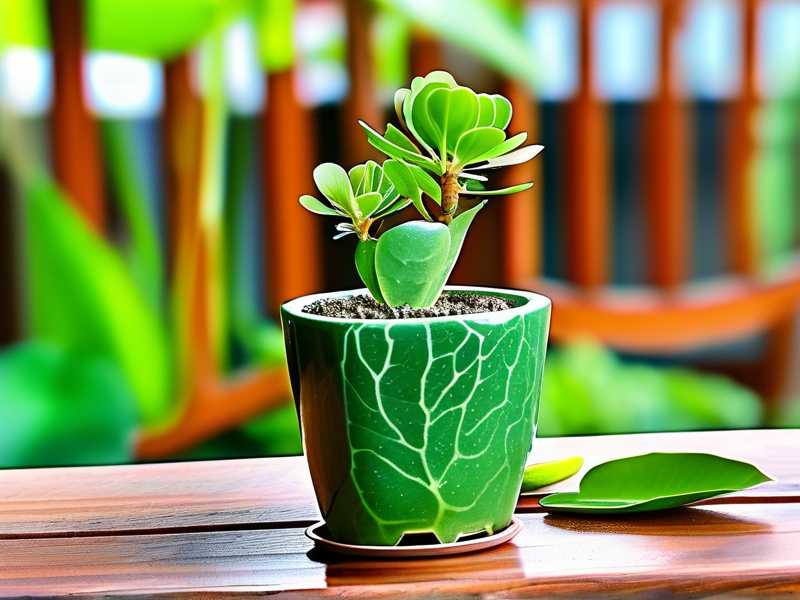
What if the leaves are still curled after watering? This is very common and usually means the leaf damage was too severe. Once a leaf has curled and the cells have been compromised, it often cannot return to its original plump shape, even if the plant is now healthy. Focus on the new growth. If the new leaves emerging are flat and plump, you have successfully fixed curling jade plant leaves. The old, curled leaves may eventually be shed or can be gently removed if they yellow.
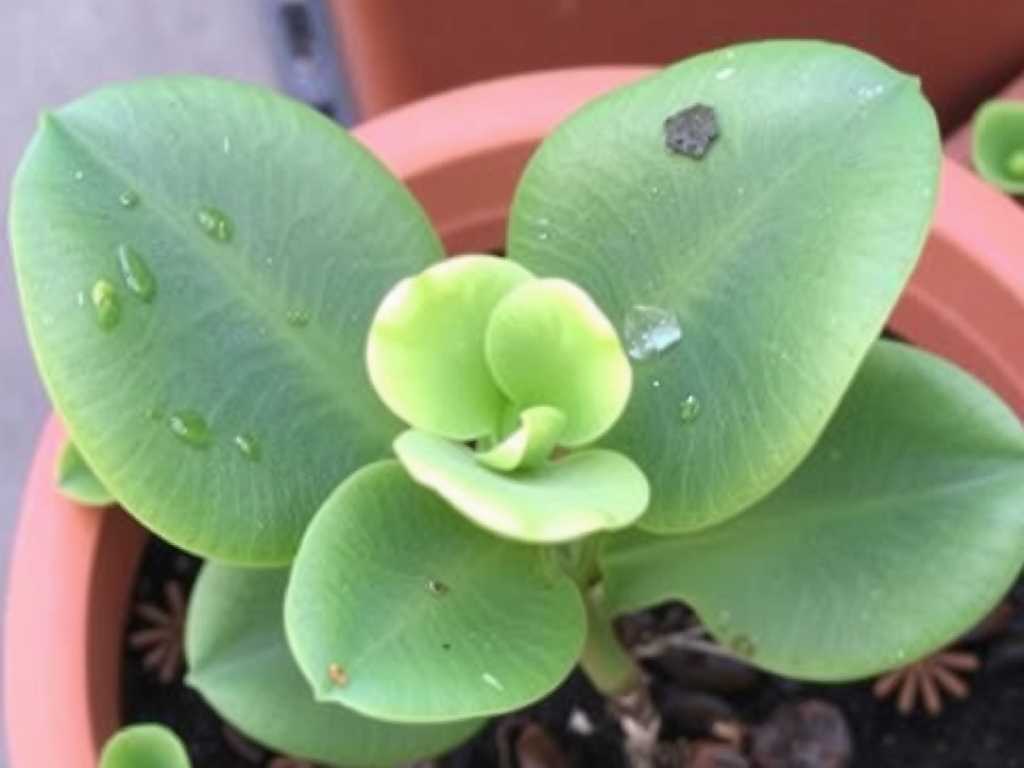
Can overwatering cause similar leaf curl? Yes, and this is why diagnosis is key. Overwatered jade leaves often become soft, mushy, and translucent before they curl or drop. The soil will stay wet for too long. The curl from overwatering is often accompanied by a general look of sogginess and blackening stems, while underwatering curl looks dry and withered.
How long can a jade plant go without water? A mature, established jade plant in ideal conditions can survive several weeks to even a couple of months without water. However, “survive” is not the same as “thrive.” To prevent leaf curl and promote healthy growth, it’s best to water when the soil is almost completely dry, not after the plant has already entered survival mode. The resilience of the jade plant is remarkable, but consistent, mindful care is what keeps those leaves perfectly smooth and oval.
Seeing your jade plant recover is incredibly rewarding. The journey from curled, stressed leaves back to a robust, glossy specimen hinges on understanding its simple needs: a deep drink when truly dry, a well-draining home, and bright light. By moving away from a rigid schedule and learning to read your plant’s signals—the soil dryness, the leaf texture—you build a relationship with it. That curled leaf is not a failure; it’s a clear message. Now, you have the knowledge to listen and respond effectively, ensuring your jade plant remains a thriving, beautiful companion for years to come.