bluename
 How to Save Your jade plant from Pest Infestations: 4 Emergency Steps
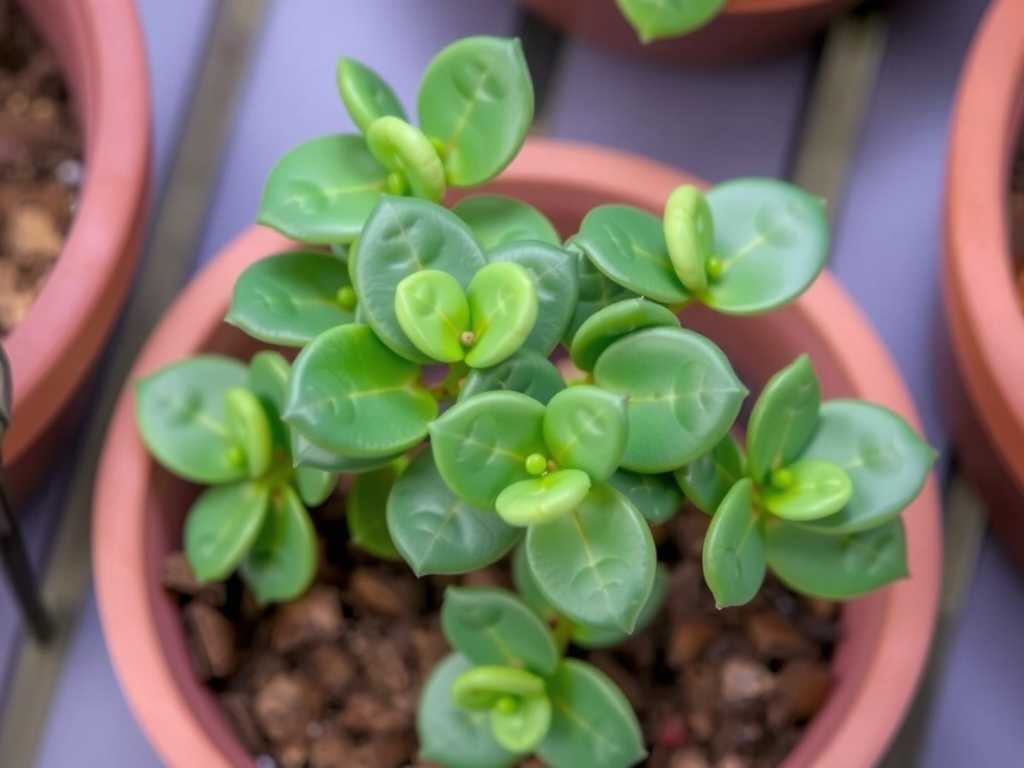
I’ll never forget the sinking feeling. There it was, my prized, decade-old jade plant, its usually plump, glossy leaves looking dull and speckled. Upon closer inspection, I saw the telltale signs: tiny, cotton-like clusters in the leaf axils and a sticky residue on the leaves below. My heart sank. A pest infestation had taken hold, and it was spreading fast. If you’re reading this, you likely know that panic. You’re searching for a clear, actionable plan to save your jade plant from being overwhelmed. Having just navigated this crisis myself, I want to share the exact emergency steps I took that brought my plant back from the brink over a critical two-week period. This isn’t just theory; it’s a battle-tested protocol from one plant lover to another.
The common culprits—mealybugs, scale, and spider mites—don’t just mar the beauty of your Crassula ovata; they sap its vitality, stunt its growth, and can ultimately kill it if left unchecked. The key is swift, systematic action. Over the next sections, I’ll walk you through the four-step rescue mission I executed, detailing exactly what I did, the mistakes I made along the way, and how the plant responded day by day.
Step 1: Immediate Isolation and Initial Assessment
The moment you confirm a pest problem, your first move is containment. Pests can travel to nearby plants via wind, your hands, or even a slight brush against another leaf.
I immediately moved my afflicted jade plant to a separate room, away from all other greenery. This quarantine is non-negotiable. Next, I conducted a thorough assessment under bright light. I needed to know the enemy. Using a magnifying glass, I identified the primary invaders: mealybugs. I also noticed a few small, hard, brown bumps on the stems—scale insects had joined the party. The sticky “honeydew” they excreted was already present, a prime breeding ground for sooty mold.
My Mistake and Fix: In my initial haste, I only checked the top surfaces of the leaves. A few days into treatment, I saw a resurgence. Lifting the plant and inspecting the undersides of jade plant leaves and the stem’s base revealed more hidden colonies. I learned that a 360-degree inspection, including digging a finger gently into the topsoil (where pests can lay eggs), is essential.
Step 2: The Initial Eradication: Physical Removal and First Treatment
With the plant isolated, it’s time for direct intervention. Gentle methods won’t cut it in an emergency.
I took the plant to the sink. First, I used a steady stream of lukewarm water to dislodge as many pests as possible, shielding the soil with a bag. After letting it drain, the meticulous part began. For mealybugs, I dipped a cotton swab in 70% isopropyl alcohol and dabbed every single white mass I could find. The alcohol dissolves their waxy coating on contact. For the scale insects, I used a soft toothbrush dipped in soapy water (a drop of mild dish soap in water) to gently scrub them off the stems.
The RHS (Royal Horticultural Society) Authority Note: The RHS explicitly recommends both the alcohol-dab method for mealybugs and the use of soft brushes for scale as effective first-line physical controls before moving to broader treatments. This validated my approach.
Once physically cleaned, I applied the first full treatment. I mixed an insecticidal soap solution as per the label and thoroughly sprayed the entire plant—every nook, cranny, and especially the undersides of the leaves—until it dripped. I did this at dusk to prevent potential leaf burn from sunlight.
Step 3: Implementing a Sustained Treatment Protocol
One treatment is never enough. Eggs hatch, and hidden survivors regroup. You must break the life cycle.
I committed to a strict, 14-day treatment schedule. My protocol was:
- Days 1, 4, 7, 10, and 14: A full spray-down with insecticidal soap.
- Every 2-3 days in between: A thorough inspection with my alcohol swabs and toothbrush for any new arrivals.
Consistency is everything. I also amended the soil. Knowing that some pests can live in the top layer, I carefully scraped off the top half-inch of soil and replaced it with fresh, sterile potting mix.
My Mistake and Fix: Around Day 5, I noticed a few leaves turning yellow and dropping. I feared the worst. After some research, I realized I was over-saturating the soil during sprays, combined with the plant’s stressed state. I adjusted my method: I began using plastic wrap to tightly seal the soil surface before spraying, protecting it from excess moisture. This simple fix stopped the leaf drop.
Step 4: Environmental Correction and Recovery Support
Pests often target stressed plants. While fighting the infestation, you must strengthen the plant’s own defenses.
I reviewed my jade’s care routine. I had been overwatering slightly—a common jade plant care mistake that can weaken the plant. I allowed the soil to dry out completely between waterings. I moved its quarantine spot to an area with brighter, indirect light (jades thrive in this) and ensured excellent air circulation with a gentle fan nearby, as stagnant air favors pests.
I held off on fertilizer, as feeding a stressed plant can do more harm than good. The goal was to provide optimal, stable conditions for recovery. According to the American Horticultural Society (AHS), a plant’s natural resilience is its best defense; proper light, water, and airflow are the foundational pillars of integrated pest management for succulents.
The Two-Week Observation: What Happened?
- Days 1-3: The plant looked rough—wet, cleaned, but stressed. No new pests seen.
- Days 4-7: After the second soap spray, I found a few tiny new mealybugs (likely from hatched eggs) and dealt with them via alcohol. This was expected.
- Days 8-10: A turning point. Inspections revealed almost zero new activity. The sticky honeydew residue was gone. New, tiny growth buds at the stem tips appeared stable.
- Days 11-14: By the final treatment, the plant was visibly recovering. Leaves began to regain their firmness and healthy sheen. The soil was dry and pest-free. The infestation was declared contained.
Post-Rescue Care and Vigilance
After the 14-day intensive care, I kept the plant in quarantine for another full week, inspecting every other day. Only after confirming a full week with no pests did I slowly reintroduce it to my plant collection, placing it initially at a slight distance from others. I resumed a normal, careful watering schedule and began with a half-strength succulent fertilizer a month later to support new growth.
How do I know if my jade plant has pests? Look for the clear signs: white, cottony masses (mealybugs), hard or soft brown bumps on stems/leaves (scale), fine webbing (spider mites), or a sticky film on leaves or surfaces below the plant (honeydew). Distorted, yellowing, or dropping leaves can also be indicators.
Can I use neem oil on my jade plant? Yes, neem oil is an effective organic option for treating jade plant pests. However, test it on a small area first, as some succulents can be sensitive. Apply in the evening to prevent phototoxicity. I used insecticidal soap for its immediate knockdown effect, but neem oil is an excellent follow-up or alternative for long-term prevention.
Will the damaged leaves recover? No, the physical damage like scars, spots, or honeydew stains will not heal on those specific leaves. The plant will eventually shed severely damaged older leaves. Your goal is to stop the pests so that the new, healthy growth that emerges will be flawless. The plant’s overall health will recover.
Watching a beloved plant suffer is distressing, but as my two-week battle proved, a methodical and persistent response can save it. The core of success lies in immediate isolation, relentless physical removal, a consistent treatment schedule to break the pest life cycle, and correcting any environmental stressors. My jade plant is now back in its sunny spot, thicker and more resilient than before. The experience taught me that vigilance is the best prevention, but with these four emergency steps, you have a powerful blueprint to reclaim your plant’s health. Your jade can bounce back too.