bluename
 How to Fix jade plant Moisture-Stressed Stems: 4 Strength-Restoring Solutions
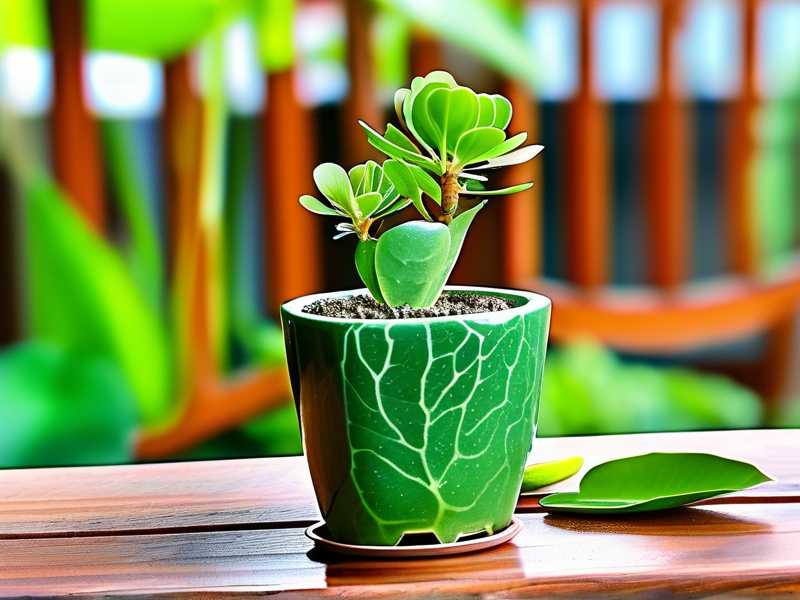
There’s a special kind of plant-parent panic that sets in when you notice your beloved jade plant’s stems going soft, wrinkly, or even mushy. You’ve been careful, or so you thought, but now your sturdy, symbolic-of-good-luck friend seems to be collapsing under its own weight. I know this feeling intimately. After years of growing these resilient succulents, I faced a severe case of moisture-stressed stems on my oldest jade, a plant I’d nurtured from a single leaf. The journey to restore it was a two-week masterclass in patience and observation, filled with missteps and eventual triumphs. This guide is born from that hands-on experience, designed to walk you through the exact, proven steps I took to bring my plant back from the brink.
Understanding the problem is half the battle. Moisture stress in jade plants isn't just about "overwatering" in the classic sense. It's a cellular crisis. According to the Royal Horticultural Society (RHS), succulents like jade plants store water in their leaves and stems. When the delicate balance is disrupted—either by too much water suffocating the roots or too little depleting reserves—the stems, the plant's structural backbone, are the first to show systemic failure. They lose turgor pressure, becoming soft, and can discolor or shrivel. My plant exhibited both soft, slightly translucent lower stems and wrinkled, limp upper growth—a confusing combination that sent me down the wrong path initially.
Diagnosing Your Jade Plant’s Specific Distress Signal
Before you act, you must play detective. Rushing in with water or shears can make things worse.
The Touch and Visual TestGently squeeze the stems. A healthy jade stem is firm and robust. A moisture-stressed stem feels different based on the cause. Overwatered stems often feel mushy, soft, and may have a yellowish or blackened appearance. Underwatered stems feel limp, wrinkled, and the leaves will be severely shriveled. My mistake was assuming softness equaled overwatering. I withheld water for another week, only to see the wrinkling travel up the stems. I learned to check the soil an inch down and assess the leaves simultaneously. The American Horticultural Society (AHA) emphasizes that diagnosis should always consider multiple symptoms, not just one.
Root Inspection: The Crucial StepThis is non-negotiable. Carefully remove the plant from its pot. Healthy roots are white or light tan and firm. Roots suffering from rot due to excess moisture are dark brown, black, mushy, and often smell foul. If they’re brittle, bone-dry, and shriveled, the plant is severely dehydrated. My plant’s root ball was a mix—some healthy white roots but many dry and brittle ones, with a few starting to rot in a dense, wet core. This explained the conflicting stem signals: the plant was both underwatered and suffering from localized rot due to poor soil drainage.
The 4-Step Restoration Protocol: My Two-Week Recovery Journal
Armed with a proper diagnosis, I implemented a four-part solution. I tracked progress daily, and the real turning points came between days 5 and 14.
Solution 1: The Emergency Repot and Soil Overhaul
The goal here is to provide an immediate, stable foundation. Old, compacted, or inappropriate soil is often the silent culprit behind jade plant stem problems.
My Action Steps:
I gently removed all old soil, teasing apart the dry and rotten roots. I used sterilized pruning shears to snip away every dark, mushy root, cutting back to healthy white tissue.
I selected a new terracotta pot, slightly smaller than the old one, with excellent drainage. Terracotta’s porosity helps wick away excess moisture.
I created a fast-draining mix: 2 parts standard potting soil, 1 part coarse perlite, and 1 part pine bark fines. The RHS recommends a "gritty, open compost" for succulents to prevent waterlogging.
I repotted the jade, supporting its weak stems with small stakes, and did not water it. This was critical. The fresh, slightly moist mix and the dry roots needed time to callus over any cuts and adjust.
The Two-Week Observation:Days 1-3: The plant looked unchanged, stems still soft. I worried I’d been too aggressive. Day 7: A breakthrough! The upper stems, which were wrinkled, began to plump up slightly. The lower, softer stems firmed up just a touch. The lack of immediate watering allowed the rot wounds to dry, halting the decay. This step alone addressed the root cause and set the stage for recovery.
Solution 2: The Strategic Watering Reset
You cannot water on a schedule. You must water based on need. My old habit of "once every two weeks" created the problem.
My Action Steps & The "Pitfall I Overcame":I waited a full 7 days after repotting before the first watering. The "soak and dry" method is gospel. I placed the pot in a sink and watered thoroughly until it ran freely from the drainage hole, ensuring the entire root ball was hydrated. Then, I let it drain completely. The pitfall? Impatience. On day 3 post-repot, the soil surface was dry, and I almost watered. Using a moisture meter probe saved me—it showed plenty of moisture at the root level. Watering then would have been disastrous.
The Two-Week Observation:After the first deep watering (Day 7 post-repot), the transformation accelerated. Within 48 hours, the majority of the wrinkled stems regained their firm, cylindrical shape. The leaves became taut and glossy. The previously soft lower stems stopped deteriorating and began to stabilize. By the end of the second week, the plant’s posture had visibly improved.
Solution 3: Pruning for Energy and Stability
Weak, elongated, or severely damaged stems drain energy. Strategic pruning redirects the plant’s resources to healing and new growth.
My Action Steps:I did not prune immediately. I waited until the end of the first week, after the plant showed signs of positive response to repotting. I identified two stems that were beyond recovery—one severely mushy at the base, one excessively elongated and weak. Using clean, sharp tools, I made clean cuts just above a leaf node on the healthy tissue. I also removed any fully yellowed or dead leaves.
The Two-Week Observation:The plant didn’t miss a beat. Within days of pruning, I noticed tiny pink buds forming at the nodes just below my cuts. The plant’s energy was now focused on the healthy stems and new growth, not on trying to sustain lost causes. This was a clear sign of renewed vitality.
Solution 4: Optimizing Light for Strength and Recovery
Weak stems often lack the light needed to grow strong and compact. Adequate light is the energy engine for recovery.
My Action Steps:My jade was in bright indirect light. For recovery, I moved it to a spot with several hours of direct morning sun, followed by bright indirect light. I avoided harsh afternoon sun, which could scorch the stressed plant. A grow light could supplement if natural light is insufficient.
The Two-Week Observation:The improvement in stem rigidity was noticeable. The new growth that emerged was tighter, with shorter spaces between leaves (internodes), a direct sign of sufficient light. The existing stems seemed to "stand up" straighter, reaching for the light source, which naturally strengthened their posture.
Your Questions, Answered From My Experience
Can a jade plant recover from completely mushy stems?It depends on the extent. If the mushiness is localized, you can cut well above the rot into healthy, firm tissue, let the cutting callus for several days, and then re-root it in dry succulent mix. This is how I propagated salvaged parts. If the entire main stem and root crown are mushy, recovery is unlikely. Early intervention is key.
How long does it truly take to see improvement?Don’t expect miracles in 48 hours. For stem firmness to return after proper watering, give it 3-7 days. For overall plant stabilization and new growth signs, like mine, plan on a 2-week observation window. Full recovery to its former dense glory can take a full growing season.
Should I use fertilizers or "plant medicine" to help?Absolutely not during the initial crisis. Fertilizing a stressed plant is like offering a full meal to someone with the flu—it adds stress. Focus on perfecting water, light, and soil first. Only consider a diluted, balanced fertilizer after you see consistent, healthy new growth for at least a month.
Watching a jade plant’s stems weaken is alarming, but it’s rarely a death sentence. These plants embody resilience. The process I followed—precise diagnosis, repotting in gritty soil, mastering the soak-and-dry method, prudent pruning, and providing strong light—is a holistic protocol that addresses the root cause, not just the symptoms. My two-week journey from worry to relief proved that with attentive, informed care, you can restore the structural strength of your jade. The key is to understand that fixing moisture-stressed stems is about rebalancing the entire plant’s environment, then stepping back and letting its natural will to thrive take over.