bluename
 How to Treat jade plant Zinc Deficiency: 4 Growth-Boosting Fixes
You’ve been nurturing your jade plant, expecting its signature plump, glossy leaves, but instead, you’re met with a puzzling sight. The new growth is strangely small, clustered, and pale, with yellow patches between the veins. The leaves might look distorted, almost twisted. It’s disheartening, isn’t it? You’re watering correctly, providing ample light, yet your plant seems stuck. I’ve been there, staring at my once-vibrant ‘Gollum’ jade, wondering what secret language it was speaking. After much research and trial and error, I learned it was communicating a clear deficiency: a lack of zinc. This micronutrient, though needed in tiny amounts, is a powerhouse for growth regulation and enzyme function. Ignoring it can leave your jade plant stunted and unhappy. In this guide, I’ll walk you through the four fixes that brought my plant back from the brink, complete with my two-week observation journal and the mistakes I made along the way.
Understanding Zinc’s Role in Your Jade Plant’s Health
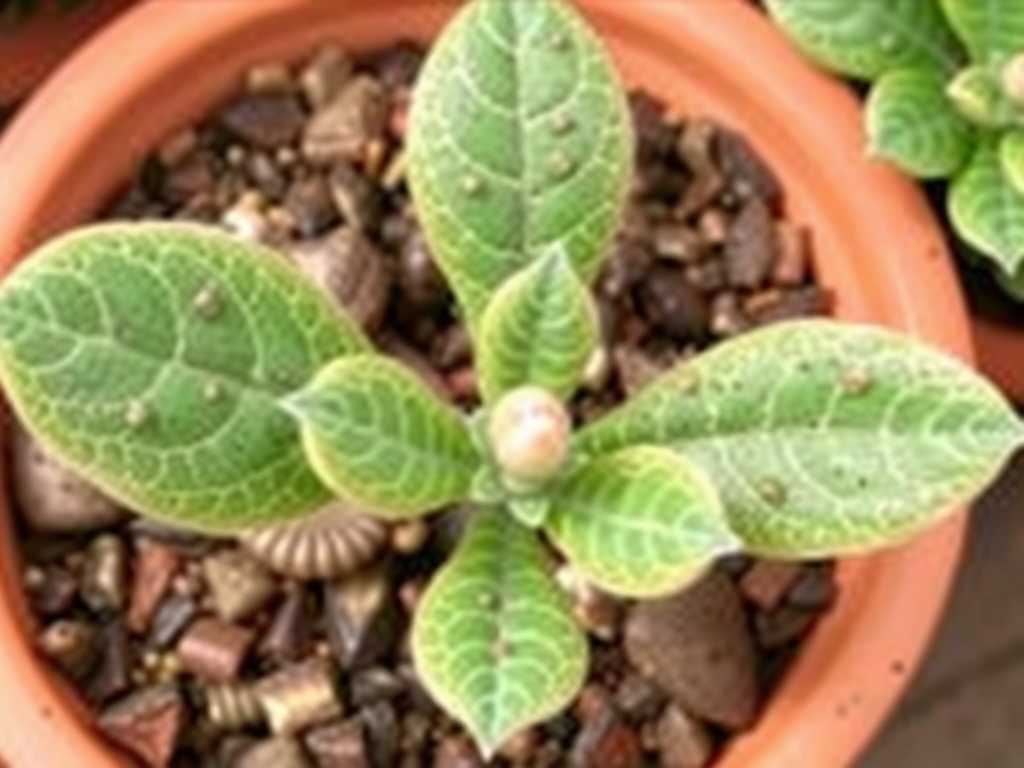
Before we dive into the solutions, let’s understand the problem. Zinc is like the master conductor in your jade plant’s orchestra. It doesn’t play a loud, constant note like nitrogen, but it directs crucial processes. It’s essential for the synthesis of auxins, the hormones responsible for stem elongation and leaf expansion. It also activates enzymes vital for protein synthesis and carbohydrate metabolism. According to the Royal Horticultural Society (RHS), micronutrient deficiencies like zinc often manifest in new growth first, as the element is immobile within the plant. This explains why your older leaves might look fine while the new ones look all wrong. The American Horticultural Society (AHS) notes that improper soil pH is a leading cause of nutrient lockout, where elements like zinc are present but chemically unavailable to the roots. This was my first “aha!” moment.
Diagnosis: Confirming It’s Zinc Deficiency
Don’t jump to treatment without proper diagnosis. The symptoms can mimic overwatering, light stress, or even other deficiencies. Here’s what I looked for in my plant:
- Chlorosis in New Growth: Yellowing between the veins of the youngest leaves, while the veins themselves stay somewhat green.
- Leaf Distortion: New leaves are abnormally small, narrow, and may appear twisted or rosetted.
- Reduced Internodal Length: The spaces between new leaves are incredibly short, leading to a crowded, bunched-up appearance.
- Stunted Overall Growth: The plant seems to have hit a permanent pause button.
I compared my plant’s symptoms to trusted online resources from university extension programs and the RHS. I also ruled out other issues: the soil was dry, the roots were healthy (no rot), and it received bright, indirect light. The pattern pointed squarely at a micronutrient issue, likely zinc.
Fix #1: The Foliar Spray – A Quick Rescue Boost
When my jade showed acute symptoms, I needed a fast-acting solution. Enter the foliar spray. Plants can absorb nutrients directly through their leaves, providing a rapid bypass around any soil issues.
My Step-by-Step Process:
- I purchased a bottle of chelated zinc micronutrient spray from a garden center. Chelation means the zinc is wrapped in an organic molecule, making it readily absorbable.
- Following the label instructions meticulously, I diluted the concentrate with distilled water. Using tap water can sometimes cause mineral interactions on the leaf surface.
- In the early evening (to prevent rapid evaporation and leaf burn from the sun), I thoroughly misted the entire plant, paying special attention to the undersides of the new, affected leaves.
- I placed the plant in a well-ventilated area to dry.
My 2-Week Observation & The Mistake I Made:
- Days 1-3: No visible change. I resisted the urge to spray again immediately.
- Days 4-7: I noticed a subtle deepening of the green color in the youngest leaves. The pale yellow began to recede slightly. This was encouraging!
- Days 8-14: The distortion in the newest emerging leaf seemed less severe. However, the older, already distorted leaves did not correct themselves—they remained small and misshapen. The key learning: Foliar feeding is a fantastic emergency fix for new growth, but it won’t repair old damage.
My Big Mistake: In my initial panic, I mixed the spray too strong, thinking “more is better.” Within two days, I saw tiny brown speckles on a few leaves—a sign of minor chemical burn. I immediately flushed the leaves with clean water and, for the next application, diluted the spray even more than the label suggested, erring on the side of caution. Lesson learned: always start with a weaker solution.
Fix #2: Soil Drench with Chelated Zinc
While the foliar spray addressed the immediate crisis, I needed a longer-term soil solution to ensure sustained zinc availability. A soil drench delivers zinc directly to the root zone.
My Step-by-Step Process:
- I used the same chelated zinc product but prepared it as a soil soak.
- I ensured the plant’s soil was slightly dry before application to encourage efficient uptake.
- I watered the plant thoroughly with the zinc solution until it drained freely from the bottom, ensuring the entire root ball was treated.
My 2-Week Observation:
- Days 1-7: The plant’s growth appeared more stable. No further worsening of symptoms.
- Days 8-14: Combined with the foliar spray, this treatment solidified the recovery. The next set of new leaves after treatment began growing in with a more normal size and shape, and the internodal spacing increased. The plant’s overall energy seemed improved.
Fix #3: Correcting Soil pH for Long-Term Health
My research with the AHS resources kept pointing to pH. Jade plants prefer a slightly acidic to neutral pH (around 6.0-6.5). My potting mix had become more alkaline over time due to my hard tap water, likely locking up the zinc.
My Step-by-Step Process:
- I bought a simple digital soil pH meter.
- I tested the soil and confirmed my suspicion: the pH was hovering near 7.2.
- To gently lower the pH, I used two methods over the next few waterings:
- Watering with Rainwater/Filtered Water: I switched from tap water to collected rainwater.
- Mild Acidification: Once, I watered with a very weak solution of vinegar (1 tablespoon of white vinegar per gallon of water) to nudge the pH down. This requires extreme care—I tested the pH of the solution itself first.
My 2-Week Observation & The Mistake I Made:
- Days 1-14: This is a slow, foundational fix. I didn’t see dramatic visual changes in two weeks, but I knew I was solving the root cause (pun intended). The new growth continued to improve, indicating the zinc from Fixes #1 and #2 was now being utilized more effectively.
My Big Mistake: I initially over-corrected. In my zeal, I used a store-bought soil acidifier without carefully measuring, which caused a temporary pH swing that stressed the plant. I learned that for jade plants, slow and gentle pH adjustment is far safer than aggressive correction.
Fix #4: Repotting with a Well-Draining, Slightly Acidic Mix
For a severely deficient plant or one in old, compacted soil, a fresh start is best. This was my final step to ensure optimal long-term health.
My Step-by-Step Process:
- I created a new succulent mix: 2 parts potting soil, 1 part coarse perlite, 1 part pine bark fines. The pine bark fines naturally help maintain a slightly acidic pH and improve drainage.
- I gently removed the plant, teased out the old soil, and inspected the roots (they were healthy but cramped).
- I potted it into the new mix in a container with excellent drainage holes.
My 2-Week Observation:
- Days 1-7: The plant experienced minimal transplant shock, likely due to the gentle handling and fresh, aerated soil.
- Days 8-14: This is where everything came together. In its new home, with corrected pH and available zinc, the plant put out its strongest, healthiest new growth in months. The leaves were plump, uniformly green, and perfectly formed.
What are the first signs of zinc deficiency in a jade plant? The earliest signs are often subtle. Look for the newest leaves emerging smaller than usual and showing light green or yellow mottling between the veins. The leaves may also appear slightly twisted or tightly clustered together at the growing tip.
Can I use Epsom salt to treat zinc deficiency? No, this is a common misconception. Epsom salt provides magnesium and sulfur. While magnesium deficiency can also cause chlorosis, it typically appears in older leaves first. Using Epsom salt for a zinc issue will not help and could potentially exacerbate a nutrient imbalance by adding unnecessary magnesium.
How often should I apply zinc to my jade plant? Zinc is not a regular fertilizer component. After correcting a deficiency through the methods above, you should not need frequent applications. Using a balanced, diluted succulent fertilizer 1-2 times during the growing season is usually sufficient, as quality fertilizers contain trace amounts of zinc. The goal is to fix the underlying availability issue (often pH), not to continuously add zinc.
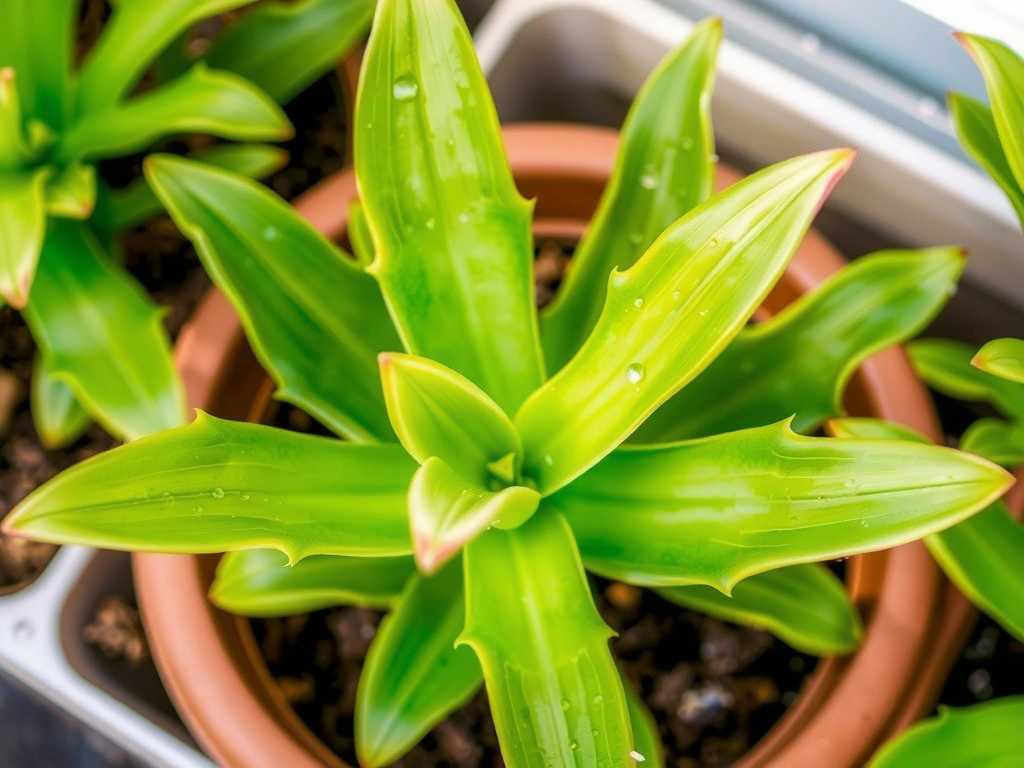
Watching your jade plant struggle is frustrating, but zinc deficiency is a solvable problem. The journey from diagnosis to recovery taught me that successful plant care is about observation, patience, and addressing the root cause, not just the symptoms. By combining a quick-acting foliar spray with a soil drench, then committing to the foundational fixes of pH correction and proper soil, you give your plant the tools to thrive. My ‘Gollum’ jade is now a testament to this process—its quirky, tubular leaves are a deep, vibrant green, and it’s putting out new growth at a pace I haven’t seen in years. Remember, the old, distorted leaves won’t change, but your focus should be on the new life emerging. With these four growth-boosting fixes, you’ll soon see that healthy, resilient growth return.