bluename
 How to Fix jade plant Slow Growth in Spring: 6 Growth-Spurting Hacks
You’ve patiently waited through winter, anticipating the vibrant spring growth spurt your jade plant is famous for. But instead of lush, new leaves and vigorous stems, you’re met with the same stagnant, slow-growing succulent. The frustration is real. Why is your jade plant not growing in spring, the season when it should be thriving?
This common dilemma often stems from a mismatch between the plant’s needs and its care routine. Spring demands a shift. This guide cuts through the guesswork, offering six actionable hacks to diagnose and fix jade plant slow growth, transforming your sluggish succulent into a robust, flourishing centerpiece.
Understanding the Spring Growth Signal
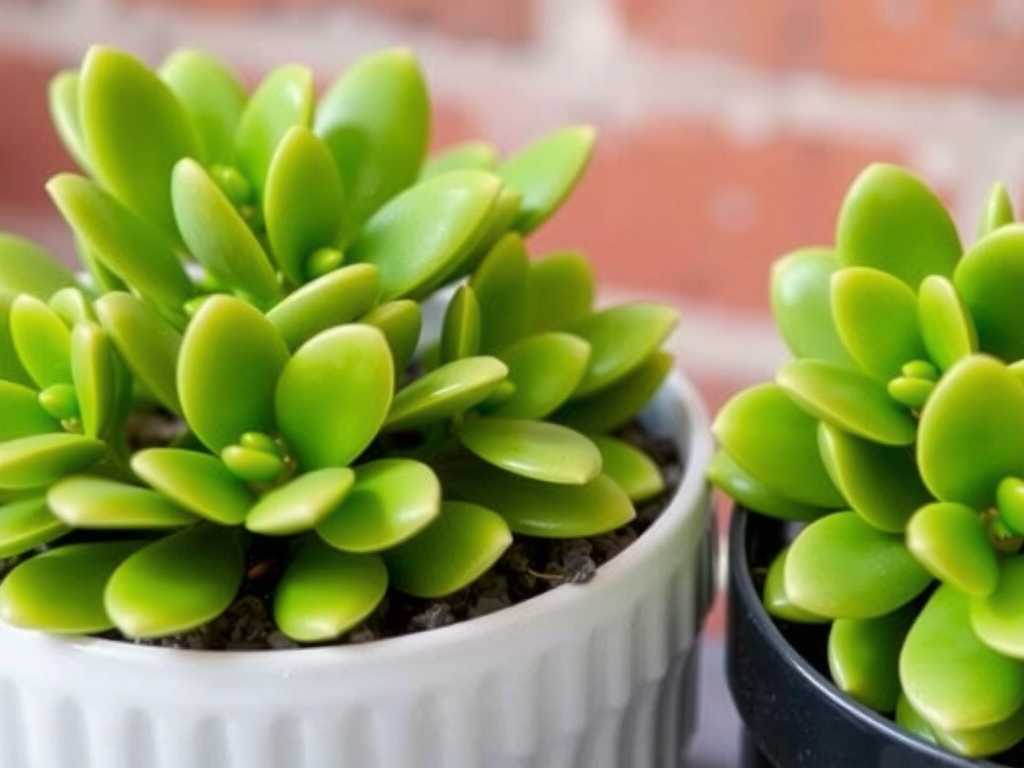
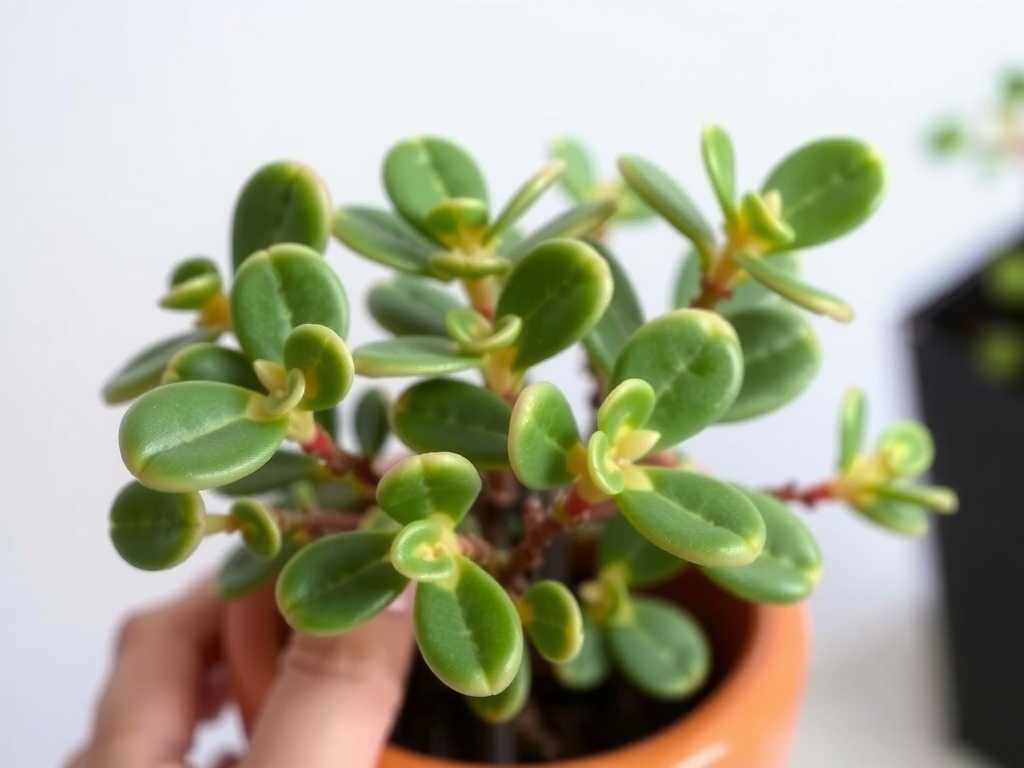
Before diving into solutions, it’s crucial to understand your plant’s rhythm. Jade plants (Crassula ovata) are photoperiodic, meaning their growth cycles are triggered by changes in daylight. Longer, brighter days of spring signal it’s time to wake up and grow. If growth isn’t happening, one or more critical elements are out of sync with this natural signal. The goal isn’t to force growth but to align your care with the plant’s innate requirements for a spectacular seasonal surge.
Hack 1: Audit and Optimize Light Exposure
Insufficient light is the prime culprit behind slow jade plant growth. These plants crave bright, direct light to fuel photosynthesis.
- The Problem: A spot that seemed “bright enough” in winter may now be shaded by trees or still lack the intensity needed for a growth spurt. Your plant might be stretching (etiolating) toward the light or simply sitting idle.
- The Fix: Gradually move your jade to the brightest possible location. A south-facing window is ideal. If natural light is limited, especially for indoor plants, introduce a grow light. Horticulturist Dr. Linda Chalker-Scott emphasizes, “Supplemental lighting can be a game-changer for indoor succulents in transitional seasons, providing the consistent spectral quality needed for stem and leaf development.” Aim for 12-14 hours of light daily.
- Pro Tip: Rotate the pot a quarter turn weekly to ensure all sides receive equal light, promoting symmetrical, sturdy growth.
Hack 2: Master the Seasonal Watering Shift
Overwatering and underwatering can both halt growth, but in spring, the error is often not increasing frequency appropriately.
- The Problem: Continuing a sparse winter watering schedule into active growth season leaves roots too dry to uptake nutrients. Conversely, drenching the plant on a fixed schedule can cause root rot.
- The Fix: Adopt the “soak and dry” method. Water deeply only when the soil is completely dry to the touch. In spring, this will likely mean watering more frequently than in winter. Use the finger test or a moisture meter. Ensure your pot has excellent drainage to prevent soggy soil conditions that stunt root health.
Hack 3: Implement Strategic Spring Feeding
Jade plants are light feeders, but they are not no-feeders. Depleted soil cannot support a spring growth spurt for jade plants.
- The Problem: The nutrients in the potting mix are often exhausted. Growth requires nitrogen for leaves, phosphorus for roots, and potassium for overall health.
- The Fix: Begin a fertilizing regimen at the start of the growing season. Use a balanced, water-soluble fertilizer diluted to half-strength (e.g., 10-10-10 or 5-5-5) or a formula specifically designed for succulents. Apply once a month from early spring through early fall. Never fertilize a dry plant or during dormancy.
Hack 4: Check for Root Bound Conditions
A hidden cause of stalled growth is a root system that has run out of space.
- The Problem: If roots are circling densely at the bottom of the pot or growing out of drainage holes, the plant is root-bound. This restricts water and nutrient uptake, focusing the plant’s energy on survival, not new growth.
- The Fix: Gently remove the plant from its pot. If you see a tight web of roots, it’s time to repot. Choose a new pot only 1-2 inches larger in diameter. Use a fresh, well-draining succulent or cactus mix. Repotting in spring gives the plant the entire growing season to establish in its new home.
Hack 5: Ensure Optimal Temperature & Environment
Jade plants prefer warm days and cooler nights, mimicking their native habitat.
- The Problem: Indoor environments with constant temperatures or exposure to cold drafts from air conditioners can stress the plant, slowing metabolic processes.
- The Fix: Maintain daytime temperatures between 65-75°F (18-24°C) with slightly cooler nights. Keep your plant away from heating and cooling vents. If possible, provide good air circulation to strengthen stems and prevent pests, but avoid harsh, direct drafts.
Hack 6: Prune for Power and Shape
Strategic pruning doesn’t just shape your plant; it directly stimulates new, bushier growth.
- The Problem: A leggy or unshapely jade may be directing energy inefficiently.
- The Fix: Using clean, sharp shears, prune back leggy stems just above a leaf node (where leaves emerge). This encourages branching at the cut point. You can also pinch off the tiny new leaves at the tips of stems to promote bushiness. Pruning in spring allows the plant to quickly recover and push out multiple new shoots from the pruned areas.
My jade plant’s leaves are soft and wrinkled, but I’m watering it. Why isn’t it growing? This is a classic sign of underwatering or root damage. If the soil is bone dry, increase your watering frequency using the “soak and dry” method. If the soil is wet and leaves are soft, you may have root rot from overwatering. Check the roots—healthy ones are firm and white. Trim any black, mushy roots, repot in dry soil, and hold off on watering for a week.
Can I put my jade plant outside in spring to help it grow? Yes, but acclimatize it gradually. Sudden exposure to full sun can scorch the leaves. Start by placing it in dappled shade or morning-only sun for a week, then slowly increase its exposure to more direct light over 2-3 weeks. Bring it back indoors before nighttime temperatures drop below 50°F (10°C).
How fast should I expect my jade plant to grow after fixing these issues? Patience is key. After correcting care issues, you should see signs of improvement within 2-4 weeks, such as firmer leaves or tiny new buds at stem tips. Visible new stem and leaf growth typically becomes apparent within the same growing season. Remember, jade plants are naturally slow-growing compared to many houseplants, but consistent spring and summer growth is the goal.
Reviving a slow-growing jade plant in spring is about syncing your care with nature’s clock. It requires a holistic check of light, water, food, and space. By systematically applying these six hacks—prioritizing bright light, perfecting your watering touch, feeding strategically, checking the roots, managing the environment, and pruning with purpose—you provide the foundation for a remarkable transformation. The result will be a resilient, actively growing jade plant that rewards your attentive care with vigorous beauty for seasons to come.