bluename
 How to Fix jade plant Dry & Wilted Roots: 4 Root-Hydration Solutions
You've nurtured your jade plant for years, watching it grow into a sturdy, leafy companion. But lately, something's wrong. The once plump, glossy leaves have become soft, wrinkled, or are starting to drop. The stems might feel limp. You water it, but the problem persists or even worsens. This frustrating scenario often points to a hidden crisis below the soil: dry and wilted roots. When the root system fails, the entire plant suffers, unable to take up the moisture and nutrients it desperately needs. Understanding how to fix jade plant dry & wilted roots is crucial to rescuing your succulent from the brink.
This condition, often called "root desiccation," can stem from two opposite extremes: chronic underwatering where roots shrivel and die, or ironically, from root rot caused by overwatering, where damaged roots can no longer function and effectively become "dry" to the plant's upper parts. Diagnosing and applying the correct root-hydration solutions is the key to revival.
Understanding the Causes: Why Do Jade Plant Roots Fail?
Before diving into solutions, accurate diagnosis is essential. Jade plants (Crassula ovata) are drought-tolerant succulents, storing water in their thick leaves and stems. Their roots, however, are surprisingly delicate and prone to issues in suboptimal conditions.
The primary culprits behind dry, wilted roots are:
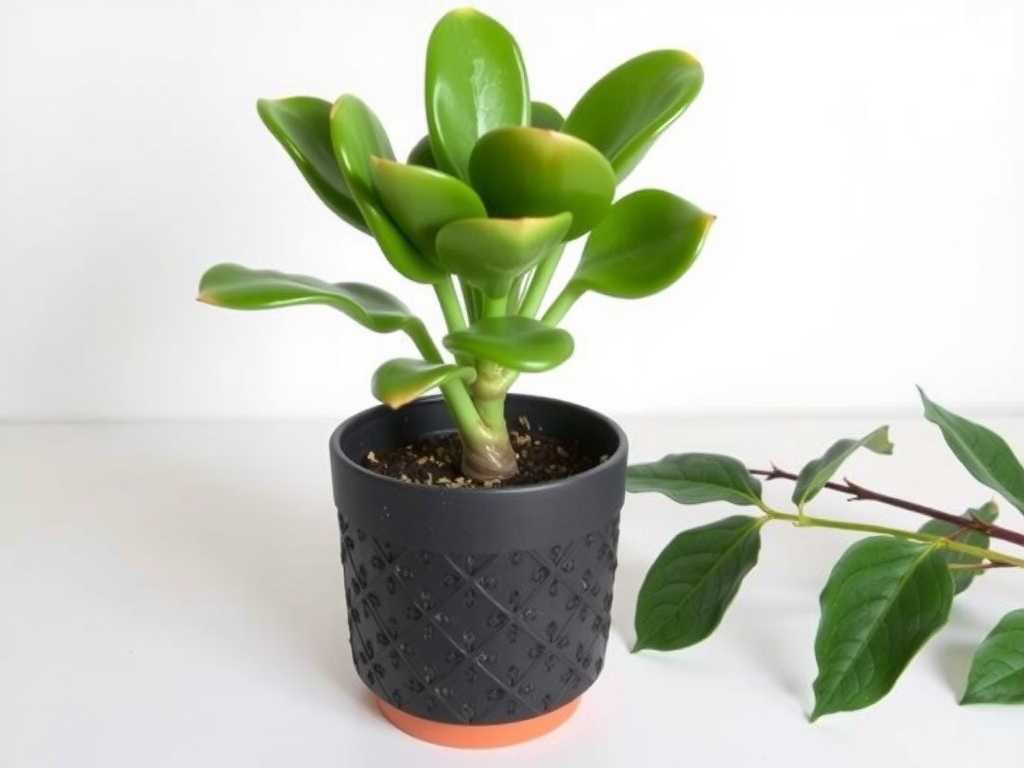
- Chronic Underwatering: This is the most direct cause. When soil is bone-dry for too long, the fine, hair-like feeder roots that absorb water desiccate and die. The plant then relies on older, woodier roots that are poor at absorption, leading to a wilted appearance despite having a seemingly intact root ball.
- Root Rot from Overwatering: This is a common misdiagnosis. Soggy soil suffocates roots, causing them to decay, turn mushy, and die. Once the root system is severely damaged, it cannot transport water to the leaves, causing symptoms that mimic underwatering—wilting, shriveling, and leaf drop. The "dry" feeling in the plant body is due to hydraulic failure.
- Poor Soil Composition: Regular potting soil retains too much moisture. Jade plants require a sharply draining, gritty mix. Heavy soil compacts around roots, creating an environment where water either pools or creates a hard, water-repellent mass that roots cannot penetrate.
- Extreme Temperature and Low Humidity: Placed near hot vents, radiators, or in full, scorching sun without acclimation, potted soil can overheat and "cook" the roots, causing rapid moisture loss and damage.
Step 1: The Critical Diagnosis and Assessment
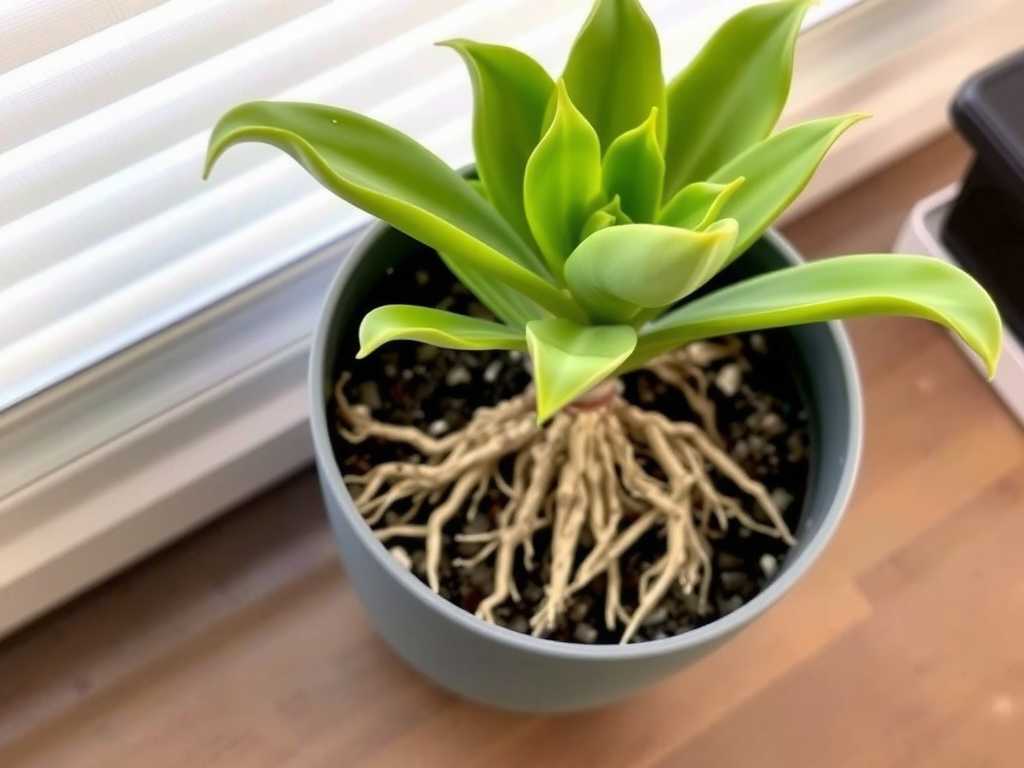
Your first task is to investigate. Gently remove the jade plant from its pot. Brush away the old soil to examine the root system.
Signs of Underwatering (Desiccated Roots):
- The root ball is extremely hard, dry, and may pull away from the pot's edges.
- Roots are brittle, thin, and break easily. They appear grayish or brown but are dry, not slimy.
- There is little to no evidence of moisture in the soil mass.
Signs of Overwatering (Root Rot):
- The soil is soggy or has a musty smell.
- Roots are mushy, dark brown or black, and fall apart when touched.
- The outer sheath of the root easily slides off, leaving a thin, stringy core.
Accurate identification here dictates your rescue strategy. Both conditions require rehydration, but the preparatory steps are different.
4 Proven Root-Hydration Solutions for Your Jade Plant
Based on your diagnosis, follow one of these targeted jade plant root revival methods.
Solution 1: The Gradual Soak Method (For Mildly Underwatered Plants)
If the root damage is minimal and the plant is only slightly wilted, a gentle re-introduction to moisture is best. A sudden deluge can shock the remaining healthy roots.
- Prepare a Basin: Fill a sink or basin with room-temperature water, about 2-3 inches deep.
- Soak the Pot: Place the entire pot (with drainage holes) into the water. Allow the water to seep up from the bottom through capillary action.
- Monitor: Let it soak for 45 minutes to an hour, or until the top layer of soil feels moist.
- Drain Thoroughly: Remove the pot and let all excess water drain out completely. Never let the plant sit in a saucer of water.
This method encourages roots to grow downward toward the moisture, promoting healthy regrowth.
Solution 2: Root Pruning and Repotting (For Severe Underwatering or Root Rot)
This is the most effective solution for dehydrated jade roots when significant damage is present.
- Clean and Inspect: After unpotting, gently wash the root ball under lukewarm water to remove all old soil.
- Surgical Pruning: Using sterile, sharp scissors or pruners, cut away all dead, dry, brittle, or mushy roots. Healthy roots are firm and may have a white or light tan color. Be ruthless; leaving dead tissue invites disease.
- Let it Callus: This step is critical for succulents. Place the plant in a cool, dry, shaded spot for 1-3 days to allow the cut ends to dry and form a callus. This prevents rot when replanted.
- Repot in Fresh Mix: Choose a pot with excellent drainage, only slightly larger than the remaining root system. Use a specialized succulent or cactus potting mix. For extra drainage, amend it with 50% perlite or pumice.
- The Initial Watering: After potting, wait 4-7 days before giving the plant a light watering. This allows any minor root injuries to heal and encourages the roots to seek out moisture.
Solution 3: Optimizing the Watering Technique
Proper watering prevents future crises. The "soak and dry" method is the gold standard for jade plant care.
- Water Deeply: When the soil is completely dry 1-2 inches down, water the plant thoroughly until water runs freely from the drainage holes. This ensures the entire root ball gets moisture.
- Let it Dry Completely: Then, allow the soil to dry out fully before watering again. In winter, this may mean watering only once a month or less.
- Use the Right Tools: A moisture meter can eliminate guesswork for beginners, providing an accurate reading of soil dampness at root level.
Solution 4: Creating the Ideal Soil Environment
Soil is the root's home. A proper mix acts as a moisture-regulating system.
- Commercial Mixes: A high-quality "succulent and cactus" mix is a good start.
- DIY Recipe: For optimal control, create your own blend: 2 parts potting soil, 1 part coarse sand, and 1 part perlite or pumice. This creates an airy, fast-draining structure that holds just enough moisture for the roots to access without becoming waterlogged.
- Pot Choice: Always use a pot with a drainage hole. Terracotta pots are ideal as they are porous, allowing soil to dry more evenly and preventing moisture buildup.
Post-Treatment Care and Recovery Signs
After implementing a root-hydration solution, place your jade plant in bright, indirect light. Avoid direct hot sun while it's recovering. Hold off on fertilizing for at least 2-3 months, as new roots are sensitive.
Signs of successful recovery include:
- Leaves gradually regaining firmness and plumpness (this can take weeks).
- New, bright green growth appearing at the stem tips.
- No further leaf drop or wilting.
Be patient. Root regeneration is a slow process, but with consistent care, your jade plant can make a full comeback.
How can I tell if my jade plant is overwatered or underwatered if both cause wilting? The key is in the leaves and the soil. An overwatered jade plant typically has soft, mushy, yellowing leaves that may fall off at a touch, and the soil will stay wet. An underwatered plant has wrinkled, flattened, or crispy leaves that thin and shrivel, and the soil will be extremely dry and hard. The final confirmation is by checking the roots.
My jade plant lost many leaves after repotting. Is this normal? Yes, some leaf drop is a common stress response after the trauma of root pruning and repotting. As long as you followed the callusing procedure and used well-draining soil, focus on providing stable, bright light and proper watering. The plant will redirect its energy to root growth before producing new foliage.
How long does it take for a jade plant to recover from root damage? Recovery time varies with the severity of the damage. For mild cases, you may see improvement in leaf firmness within 2-3 weeks. For severe cases where extensive root pruning was needed, it can take 2-4 months or even a full growing season to see significant new growth. The priority is a stable environment to support slow and steady root regeneration.
Reviving a jade plant with dry and wilted roots is a test of patience and precise care. The journey from diagnosis through treatment—whether it requires a gentle soak or major surgery—hinges on understanding the root cause of the distress. By focusing on restoring the root system's ability to function through proper hydration techniques and a supportive soil environment, you give your plant the foundation it needs to thrive once more. Remember, the resilience of a jade plant is remarkable; with the right intervention, that wilted specimen on your windowshelf can return to being a robust symbol of perseverance and growth.