bluename
 How to Stop jade plant Leaf Curling from Salt: 5 Salt-Removal Fixes
Seeing your jade plant’s plump, oval leaves start to curl, pucker, or develop unsightly brown tips can be alarming. Often, the culprit isn’t a pest or disease, but something invisible in your care routine: salt. Mineral salt buildup in the soil is a common yet frequently overlooked issue that directly causes jade plant leaf curling. This guide will walk you through five proven fixes to remove excess salt and restore your plant’s health.
Understanding the Salt Problem in Jade Plants
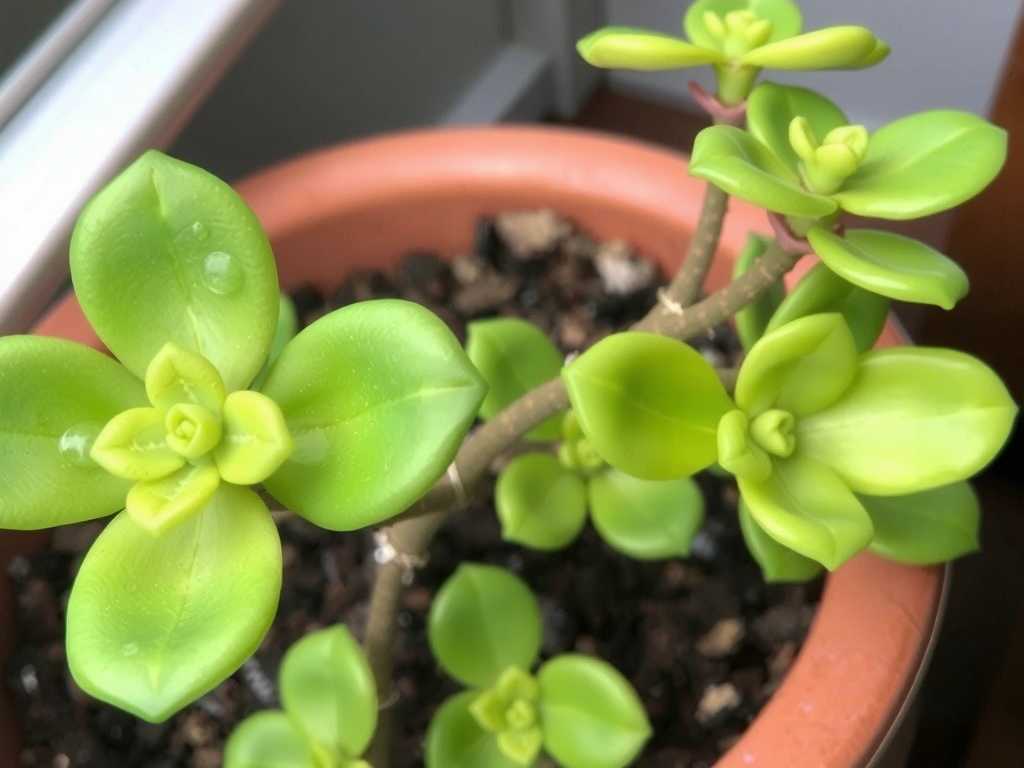
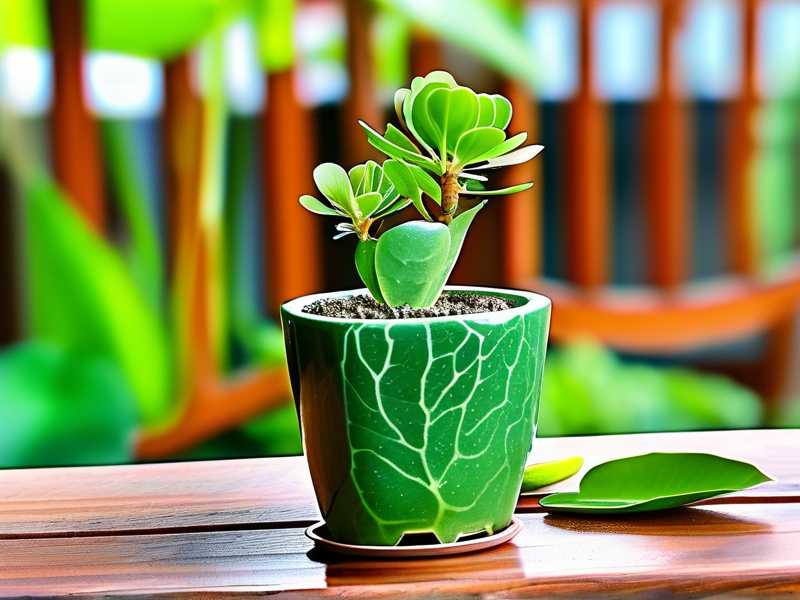
Jade plants (Crassula ovata) are succulents native to arid environments with excellent drainage. In our homes, they are confined to pots where water evaporates, leaving behind minerals from both tap water and fertilizer. Over time, these salts accumulate in the soil, creating a toxic environment for the roots.
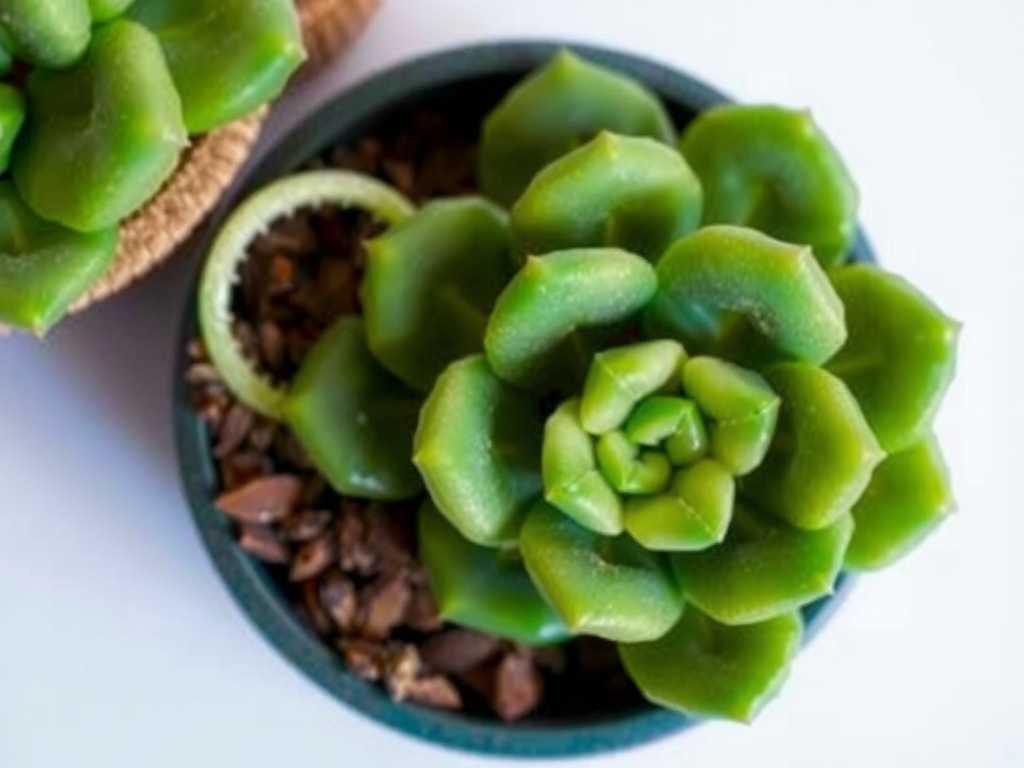
High soil salinity makes it difficult for roots to absorb water efficiently, essentially causing a physiological drought. The plant becomes dehydrated, leading to the telltale signs: leaves curling inward to reduce surface area, becoming soft or wrinkled, and developing crispy, brown edges or spots. This is your jade plant’s distress signal.
Fix 1: The Thorough Flushing Technique
The most immediate and effective method to combat salt buildup is soil flushing. This process involves running a large volume of water through the soil to dissolve and wash away excess salts.
Here’s how to do it correctly. First, take your jade plant to a sink, bathtub, or outdoor area with excellent drainage. Slowly pour room-temperature, distilled or filtered water over the soil, allowing it to flow freely out of the drainage holes for several minutes. Use a volume of water at least three to four times the capacity of the pot. For example, flush a one-gallon pot with three to four gallons of water. Let the plant drain completely afterward. This method, recommended by horticulturists at university extension services, is a cornerstone of container plant maintenance.
Fix 2: Repotting with Fresh, Well-Draining Soil
If flushing doesn’t fully resolve the curling, or if the soil is old and compacted, repotting is the definitive solution. This physically removes the salt-saturated soil and gives your plant a fresh start.
Choose a new pot that is only 1-2 inches larger in diameter than the old one, ensuring it has ample drainage holes. Select a potting mix specifically formulated for cacti and succulents; these blends contain coarse sand, perlite, or pumice to promote rapid drainage and prevent future salt accumulation. Gently remove the plant, carefully shake off and rinse away the old soil from the roots, trim any dead or rotten roots, and plant it in the fresh mix. Wait a week before watering to allow any root injuries to callus over.
Fix 3: Switching to Low-Mineral Water Sources
Your water source is a primary contributor to salt buildup. Tap water, especially in hard water areas, contains high levels of calcium, magnesium, and other salts. To prevent the problem from recurring, change what you pour.
Start watering your jade plant with distilled water, rainwater, or filtered water that has undergone reverse osmosis. These sources have significantly lower mineral content. As noted in a study on container plant health, using purified water can reduce salt accumulation by over 80% compared to using hard tap water. This simple switch is a powerful long-term prevention strategy.
Fix 4: Adjusting Your Fertilization Strategy
Over-fertilization or using the wrong type of fertilizer is a fast track to salt toxicity. More is not better for succulents.
During the growing season (spring and summer), feed your jade plant sparingly. Use a balanced, water-soluble fertilizer (like a 10-10-10 formula) diluted to half or even a quarter of the recommended strength. Apply it only once a month at most. In fall and winter, stop fertilizing completely as the plant’s growth slows. Consider using an organic, slow-release fertilizer, which is less likely to cause salt burn. Always ensure the soil is damp before applying any fertilizer to protect the roots.
Fix 5: Establishing a Proper Watering Cycle
Paradoxically, both overwatering and underwatering can exacerbate salt issues. A consistent “soak and dry” method is key. Water deeply until it runs out the bottom, ensuring the entire root ball is moistened and some salts are flushed out. Then, allow the soil to dry out almost completely before watering again. This cycle encourages healthy root growth and prevents salts from being constantly drawn up into the plant.
Never let your jade plant sit in a saucer of water, as this allows salts to be reabsorbed. Empty the saucer after each watering.
Why are the tips of my jade plant turning brown? Brown, crispy tips are a classic symptom of salt burn, often from fertilizer or hard water. It can also indicate low humidity or sporadic underwatering, but salt toxicity is a prime suspect if you’ve ruled those out.
Can curled jade plant leaves go back to normal? Leaves that have already curled or developed brown scars will not fully flatten out or turn green again. The plant will retain this damage. However, with the fixes applied, new growth will emerge healthy and normal. You can prune the most damaged older leaves once the plant is recovering.
How often should I flush my jade plant’s soil to prevent salt buildup? As a preventative maintenance step, flush the soil once or twice a year, ideally in early spring before the main growing season. If you use distilled or rainwater and fertilize very sparingly, you may only need to do this every other year.
Addressing salt-induced leaf curling requires a two-pronged approach: remediation and prevention. Start with a thorough soil flush or repotting to remove the existing salts. Then, commit to long-term changes by switching to low-mineral water, fertilizing judiciously, and mastering the watering cycle. Your jade plant’s resilience will shine through, and with consistent care, it will reward you with sturdy, uncurled leaves and robust growth for years to come.