bluename
 How to Treat jade plant Chlorosis: 4 Salt-Buildup Fixes
You’ve nurtured your jade plant for years, admiring its plump, emerald-green leaves. But lately, something’s off. The vibrant green is fading to a sickly yellow, especially at the edges and between the veins. The leaves might look limp, or the tips could be turning an unsettling brown and crispy. Before you panic about pests or disease, consider this common but often overlooked culprit: chloride toxicity and salt buildup in the soil.
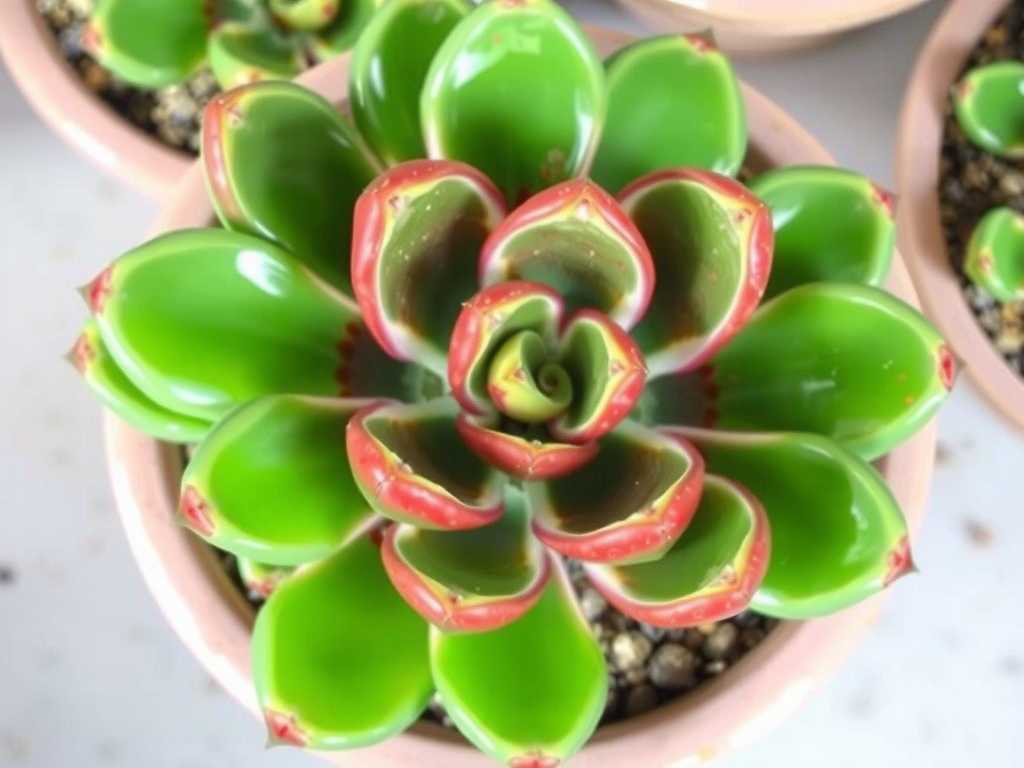
This condition, often called jade plant chlorosis, is frequently a direct result of mineral accumulation from tap water and fertilizer. Over time, salts like sodium chloride and others build up in the potting mix, creating a toxic environment that prevents your plant from absorbing essential nutrients like iron and nitrogen, leading to that telltale yellowing. The good news? It’s reversible. By understanding the causes and implementing a few strategic fixes, you can flush out the toxins and restore your jade to its lush, green glory.
Understanding Salt Buildup and Chloride Toxicity
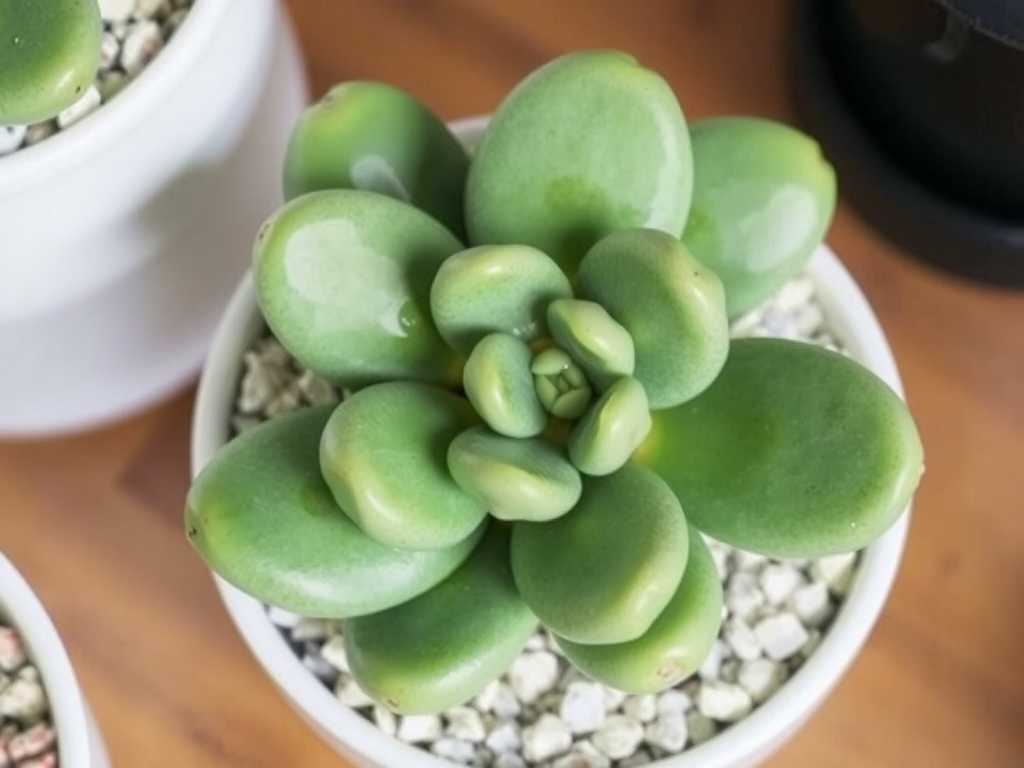
Jade plants (Crassula ovata) are succulents native to arid environments with well-draining, mineral-scarce soil. They are exceptionally efficient with water but highly sensitive to excess salts. The problem begins subtly with every watering.
Most municipal tap water contains dissolved salts, including chlorides and fluorides, used for public health. While safe for us, these minerals don’t evaporate. When you water your plant, the water is absorbed or evaporates, leaving these salts behind in the soil. Similarly, frequent or heavy-handed fertilizer application adds more mineral salts. Over months or years, this concentration becomes toxic.
The high salt concentration in the soil creates an osmotic imbalance. It actually makes it harder for plant roots to take up water, leading to physiological drought—the plant can’t drink even if the soil is moist. More critically, excess chloride ions interfere with the plant’s ability to absorb nitrate and other crucial nutrients, causing nutrient deficiency symptoms like chlorosis (yellowing leaves) and necrotic (dead) leaf tips. Recognizing this as a salt issue, not just a watering problem, is the first step toward an effective cure.
Fix 1: The Thorough Leaching Flush
The most immediate and critical action for treating established salt toxicity is soil leaching. This process involves thoroughly flushing the potting mix with a large volume of clean water to dissolve and wash away the accumulated salts.
Here’s how to perform a proper leaching flush for your jade plant:
- Prepare Your Space: Take your plant to a sink, bathtub, or outdoors where water can drain freely.
- Use the Right Water: For this flush, use distilled water, rainwater, or filtered water. Using tap water defeats the purpose. The goal is to introduce water with the lowest possible salt content.
- Flush Slowly and Deeply: Water the soil slowly and evenly, allowing it to soak through completely. Continue watering until you see a significant amount of water running out of the drainage holes for at least a full minute. For a standard-sized pot, this may require 3-4 times the volume of the pot in water.
- Let It Drain Completely: Ensure all excess water drains away. Never let the pot sit in a saucer of drained water, as this will allow salts to be reabsorbed.
A study published in the Journal of Plant Nutrition highlights that leaching is the most effective cultural practice for reducing root-zone salinity in container plants. It’s a reset button for your soil’s chemistry.
Fix 2: Repotting with Fresh, Well-Draining Soil
If leaching doesn’t lead to improvement, or if the salt buildup is severe (often visible as a white or yellow crust on the soil surface or pot rim), repotting is the definitive solution. This physically removes the contaminated soil and gives your jade a fresh start.
- Gently remove the plant: Tip the pot and carefully slide out the root ball.
- Inspect and Prune Roots: Shake off as much of the old soil as possible. Examine the roots. Healthy roots are firm and white or light tan. Prune away any that are black, mushy, or slimy—these are signs of rot, which can be exacerbated by salt damage.
- Choose the Correct Potting Mix: Do not use standard garden soil. Repot your jade in a fresh, commercial succulent or cactus mix. These blends are formulated for excellent drainage and typically have a lower initial salt content. For even better results, you can amend the mix with extra perlite or pumice (a 2:1 ratio of potting mix to perlite is a good target).
- Select a Clean Pot: Use the same pot after scrubbing it thoroughly to remove salt deposits, or choose a new one with ample drainage holes. Only size up if the plant was severely root-bound.
Master gardener and succulent expert Laura Eubanks emphasizes, “A fresh, gritty soil mix is like a detox for a salt-stressed succulent. It provides the sterile, well-aerated environment the roots need to recover and function properly.”
Fix 3: Adopt Preventive Watering Practices
Treatment is only half the battle. Preventing future salt accumulation is key to long-term jade plant health. This revolves entirely around your watering habits.
- Switch Your Water Source: This is the single most impactful change. Make a habit of using distilled water, collected rainwater, or water filtered by a reverse osmosis (RO) system for your jade plant. These sources contain negligible amounts of the salts and chlorides found in tap water.
- Water Deeply and Infrequently: Always water until it runs freely from the drainage holes. This practice, even with good water, helps prevent salts from concentrating in the lower root zone. Then, allow the soil to dry out almost completely before watering again. This wet-dry cycle is natural for succulents.
- The “Dump the Saucer” Rule: After every watering, always empty the cachepot or saucer. Letting the pot sit in drained water is a guaranteed way to cause salt re-accumulation and root rot.
Fix 4: Fertilize Strategically and Sparingly
Jade plants are light feeders. Over-fertilization is a prime contributor to salt buildup and chloride toxicity.
- Less is More: Fertilize only during the active growing season (spring and summer). Do not fertilize in fall and winter when the plant is dormant.
- Dilute Thoroughly: Use a balanced, water-soluble fertilizer (e.g., 10-10-10) but dilute it to half or even a quarter of the recommended strength on the label.
- Fertilize on Damp Soil: Always apply fertilizer to soil that is already slightly moist. Applying it to dry soil can cause root burn and increase salt stress.
- Consider Annual Leaching: As a preventative measure, perform a gentle leaching flush with clean water once a year, even if no symptoms are present, to reset the soil.
Why are the tips of my jade plant turning brown? Brown, crispy leaf tips are a classic symptom of salt burn, often linked directly to chloride and fluoride toxicity from tap water. It can also indicate over-fertilization. The salts accumulate at the leaf margins, causing tissue death. Switching to low-salt water and leaching the soil typically stops the progression.
Can a jade plant recover from leaf chlorosis? Yes, absolutely. While the severely yellowed leaves may not fully regain their deep green color, new growth will emerge healthy once the salt toxicity is addressed. The plant redirects its energy to producing new, green leaves if the root system is still viable. Pruning off the most severely affected leaves can improve appearance and encourage new growth.
How often should I flush my jade plant’s soil? For preventive maintenance, a thorough leaching flush once a year is sufficient for a healthy plant. If you are using tap water, consider doing it every six months. If you are treating an active case of chlorosis or visible salt crust, perform the flush immediately as part of the treatment protocol, and then follow up with a switch to better water and proper fertilization habits.
Jade plant chlorosis from salt buildup is a slow-moving issue with a clear path to resolution. Success lies in correctly diagnosing the yellowing leaves as a soil chemistry problem rather than a simple lack of water. By immediately flushing the soil, repotting if necessary, and most importantly, committing to preventive care with the right water and cautious feeding, you create an environment where your jade can thrive for decades. Your plant’s return to vibrant health will be a direct result of understanding and correcting the hidden balance of minerals in its pot.