bluename
 How to Revive jade plant from Bacterial Damage: 4 Recovery Steps
Discovering your beloved jade plant succumbing to a mysterious illness can be heartbreaking. One day it's thriving, and the next, you notice soft, mushy spots, blackened stems, or leaves dropping at an alarming rate. This is often the distressing sign of bacterial damage, a serious threat that can quickly claim your plant if left unchecked. But don't lose hope. Learning how to revive jade plant from bacterial damage is entirely possible with prompt, decisive action. This guide provides a clear, step-by-step recovery plan to save your plant and restore its health.
Bacterial infections in jade plants, often caused by pathogens like Pectobacterium or Pseudomonas, manifest through distinct symptoms. Unlike issues from overwatering alone, bacterial damage presents with water-soaked lesions that may ooze, have a foul smell, or rapidly spread. The key to recovering a jade plant from bacterial infection lies in early identification, surgical removal of affected tissue, and creating an environment where bacteria cannot thrive. Let's walk through the four critical recovery steps.
Step 1: Immediate Isolation and Diagnosis
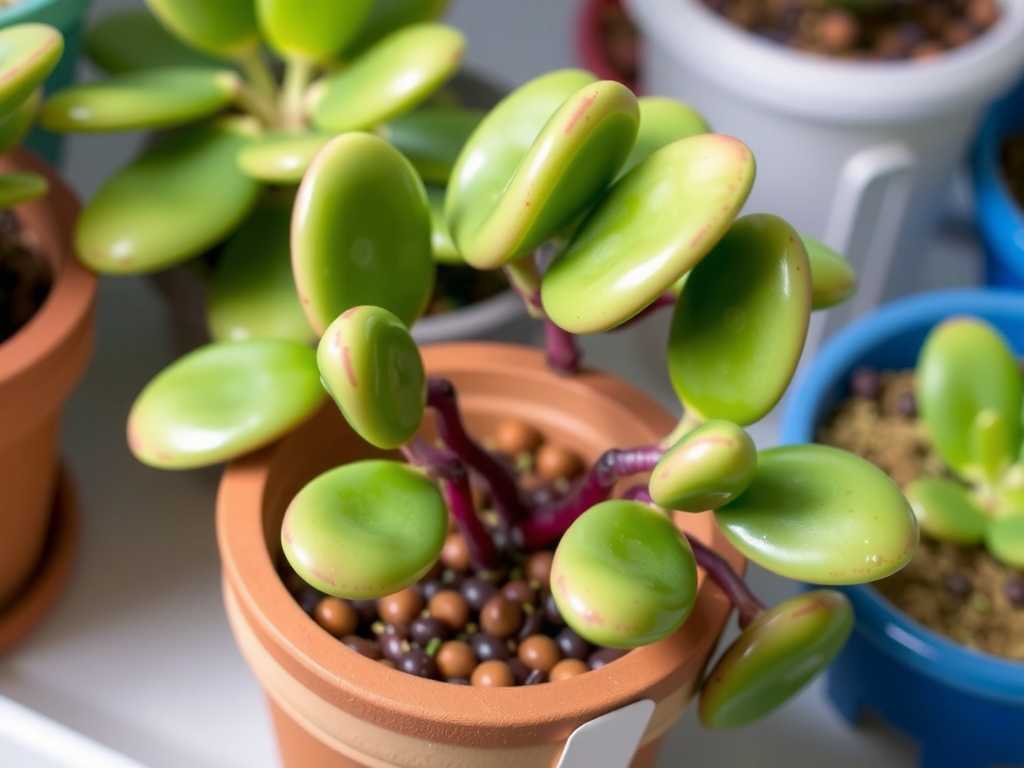
Your first action must be to quarantine the plant. Bacterial pathogens can spread through water splash, contaminated tools, or even insects. Move the sick jade plant away from your other houseplants immediately to prevent an epidemic.
Now, conduct a thorough examination. Put on gloves and carefully inspect every part of the plant.
- Leaves: Look for soft, water-soaked spots that are yellow, brown, or black. These spots may feel slimy and are often surrounded by a yellow halo.
- Stems and Branches: Check for areas that are discolored, sunken, or mushy. Gently squeeze stems; a healthy jade stem is firm, while an infected one may feel soft and pulpy inside. Blackened stems are a severe sign.
- Soil and Roots: While root rot from bacteria often follows, a foul odor emanating from the soil is a strong indicator of advanced infection below the surface.
Accurate diagnosis is the cornerstone of effective treatment. As noted by plant pathologist Dr. Linda Chalker-Scott, "Many plant failures are misdiagnosed. True bacterial soft rot has a distinctive, unpleasant odor and a rapid collapse of tissue, differentiating it from fungal issues." Confirming it's bacterial allows you to target your recovery strategy correctly.
Step 2: Surgical Removal of Infected Tissue
This step is non-negotiable. Bacteria reside within the plant tissue; you must remove all traces to stop the spread. You will need a sharp, sterilized knife or pruning shears, isopropyl alcohol, paper towels, and a trash bag.
- Sterilize Your Tools: Wipe your cutting tool blades thoroughly with isopropyl alcohol before each cut. This prevents you from transferring bacteria to a fresh wound.
- Prune Aggressively: Cut away all affected leaves, stems, and branches. Make your cuts at least 1-2 inches into healthy, green tissue to ensure no infected material remains. Do not hesitate here; it's better to remove a branch than lose the entire plant.
- Handle Debris Carefully: Place all removed plant parts directly into a trash bag. Do not compost this material, as the bacteria may survive.
- Inspect the Roots (If Needed): If the stem base is soft or the soil smells bad, gently remove the plant from its pot. Shake off the soil and inspect the roots. Trim away any brown, black, or mushy roots with your sterilized tool until only firm, white roots remain.
Step 3: Repotting with Fresh, Sterile Soil
After surgery, your jade plant needs a clean, well-draining environment to recuperate. Its old soil is almost certainly contaminated.
- Choose the Right Pot: Select a clean pot with ample drainage holes. It can be the same pot only if you scrub it thoroughly with a bleach solution (1 part bleach to 9 parts water) and rinse well.
- Use a Sterile, Fast-Draining Mix: Discard all old soil. Use a fresh, commercial cactus or succulent potting mix. For extra drainage—critical for preventing future issues—amend it with perlite or pumice (a 2:1 ratio of mix to perlite is ideal).
- Repot Gently: Place your pruned jade plant in the new pot and fill around it with the fresh mix. Do not water immediately. This dry period allows the cut surfaces to callous over, sealing out pathogens.
Step 4: Optimizing the Recovery Environment
Post-operative care determines whether your jade plant will thrive or relapse. The goal is to reduce stress and promote robust new growth.
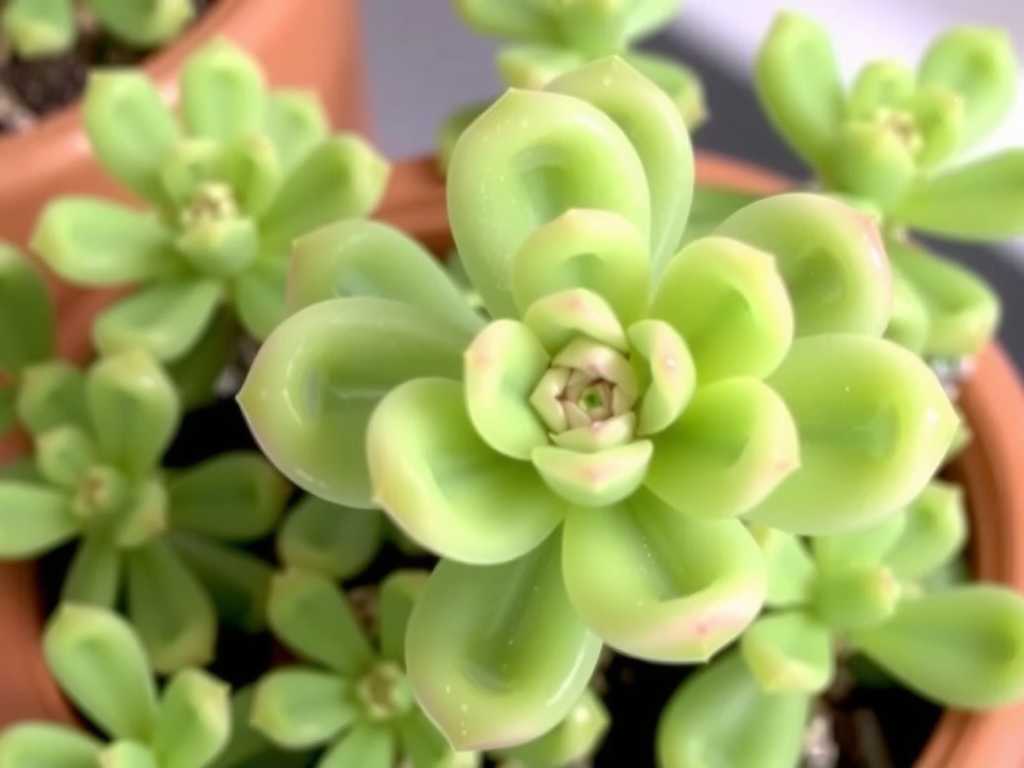
- Watering with Extreme Caution: This is the most critical factor. Do not water for at least one week after repotting. When you resume, adopt the "soak and dry" method. Water deeply only when the soil is completely dry, and ensure no water sits in the saucer. Bacteria thrive in moisture; keeping the soil on the drier side is your best defense.
- Light and Airflow: Provide bright, indirect light. Avoid harsh, direct sun while the plant is stressed. Ensure good air circulation around the plant, which helps keep foliage dry and discourages bacterial growth.
- Hold Off on Fertilizer: Do not fertilize a recovering plant. It needs to focus energy on root and shoot regeneration, not processing nutrients. Wait until you see consistent, healthy new growth (typically 2-3 months).
Can a bacterial infection in a jade plant spread to other houseplants? Yes, absolutely. Bacterial pathogens can spread via contaminated water, soil, tools, or even hands. This is why immediate isolation of the infected plant and thorough tool sterilization are the very first steps in the recovery process. Always treat the affected plant last in your gardening routine to avoid cross-contamination.
What’s the difference between bacterial rot and overwatering damage? While both are linked to excess moisture, they differ. Simple overwatering often causes generalized yellowing, leaf drop, and root rot that may smell earthy. True bacterial damage, like soft rot, causes localized, water-soaked, mushy lesions that can ooze and typically emit a foul, decaying odor. The spread is also more rapid with bacterial issues.
How long does it take for a jade plant to recover from severe bacterial damage? Recovery is a test of patience. After following the steps to save a jade plant with bacterial disease, you may not see new growth for several weeks to a few months. The plant is using its energy to heal wounds and re-establish roots. Consistent signs of recovery include firmness in the remaining stems and the emergence of new, small leaves. Full recovery to its former appearance can take a full growing season or more.
Successfully nursing a jade plant back from bacterial damage requires a blend of swift intervention and patient aftercare. The process hinges on removing every trace of infection, providing a sterile new foundation, and mastering a disciplined watering routine. By creating an environment of bright light, excellent drainage, and careful moisture management, you give your resilient jade the strongest possible chance to not just survive, but eventually thrive once again. Remember, the key to long-term health is prevention—consistent care is the ultimate shield against future disease.