bluename
 How to Fix jade plant Leaf Brown Spots from Fungus: 5 Antifungal Fixes
Discovering unsightly brown spots on your beloved jade plant can be alarming. These blemishes are often more than cosmetic; they frequently signal a fungal infection taking hold. Left untreated, fungal leaf spots can spread, weaken your plant, and even lead to its decline. But don't worry—with the right knowledge and action, you can effectively combat this issue. This guide will walk you through identifying fungal causes and implementing five proven antifungal fixes to restore your jade plant's health and vibrant appearance.
Understanding Fungal Leaf Spot on Jade Plants
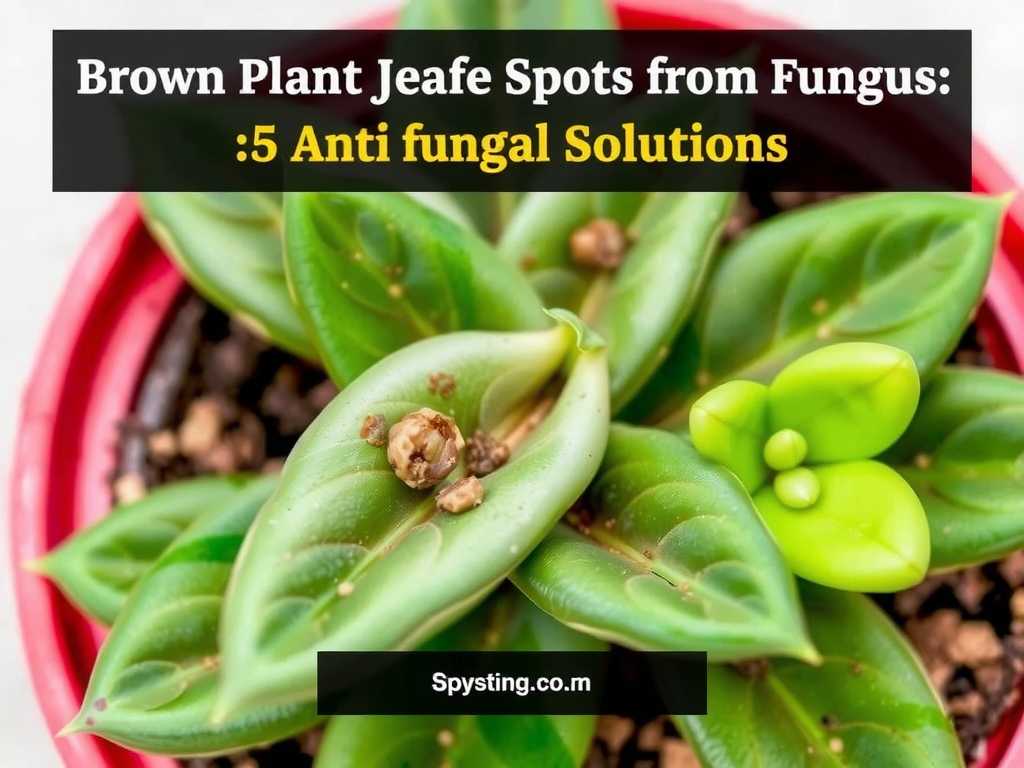
Fungal infections are a common culprit behind leaf discoloration. The most typical pathogens include Cercospora and Alternaria species. These fungi thrive in conditions of excess moisture and poor air circulation. The initial signs are small, water-soaked spots that gradually turn brown or black, sometimes surrounded by a yellow halo. As the infection progresses, these spots may enlarge, merge, and cause leaves to yellow and drop prematurely. Correctly diagnosing a fungal issue is the critical first step, as brown spots can also result from sunburn, overwatering edema, or bacterial infections.
The 5 Essential Antifungal Fixes for Your Jade Plant
Implementing these strategies in sequence will give you the best chance of eradicating the fungus and preventing its return.
1. Immediate Isolation and Pruning
Your first action must be to contain the problem. Move the affected jade plant away from other houseplants to prevent cross-contamination. Next, using sterilized pruning shears or scissors, carefully remove all severely spotted and infected leaves. Make clean cuts close to the main stem. Immediately dispose of these leaves in the trash—do not compost them, as this can spread fungal spores. As noted by horticulturist Dr. Linda Chalker-Scott, "Sanitation is the cornerstone of fungal disease management in the garden and home." This step physically removes the bulk of the infection source.
2. Adjust Your Watering Technique Drastically
Overwatering and improper watering are the primary enablers of fungal growth. Jade plants are succulents with low water needs. To fix this:
- Water Deeply, Then Let Dry: Water only when the top 1-2 inches of soil are completely dry. When you do water, soak the soil thoroughly until water runs out the drainage holes, then empty the saucer.
- Avoid Leaf Wetness: Always water at the soil level, never from above. Fungal spores require a film of water on leaves to germinate and invade. Keeping the foliage dry is a powerful preventive measure.
- Consider the Pot: Ensure your pot has adequate drainage holes. A heavy, non-porous pot retains moisture longer than a terracotta one, which breathes.
3. Apply a Targeted Antifungal Treatment
After pruning and correcting watering, apply a treatment to address any remaining spores.
- Natural Option: Neem Oil Solution. A weekly spray of neem oil acts as both a fungicide and a mild insecticide. Mix as per instructions and spray all plant surfaces, including the undersides of leaves and stems, until dripping. Test on a small area first.
- Commercial Fungicide: For persistent cases, use a copper-based fungicide or one containing chlorothalonil. These are effective organic-approved options for controlling fungal leaf spots. Follow the product label instructions meticulously for application frequency and safety.
4. Optimize Environmental Conditions
Fungi thrive in stagnant, humid environments. Altering the plant's microclimate is crucial for long-term health.
- Maximize Airflow: Place your jade plant in an area with good air circulation. A gentle breeze from a fan set on low (not directly blasting the plant) can significantly reduce humidity around the leaves.
- Provide Ample Light: Jade plants need bright, indirect light. A sunnier location helps the soil dry more efficiently and creates a less hospitable environment for fungi. Avoid sudden moves to direct, harsh sun, which can cause sunburn.
- Reduce Ambient Humidity: If your home is very humid, consider using a dehumidifier in the plant's room, especially during damp seasons.
5. Repot with Fresh, Well-Draining Soil
If the problem is recurrent or the soil remains soggy for too long, repotting is necessary.
- Choose the Right Mix: Use a fresh, commercial cactus or succulent potting mix. These blends are formulated for excellent drainage. You can further improve it by adding extra perlite or pumice.
- Inspect and Trim Roots: During repotting, gently remove old soil and inspect the roots. Trim away any that are black, mushy, or rotten with sterilized tools.
- Use a Clean Pot: Either sterilize the old pot with a 10% bleach solution or use a new one. Ensure it is only slightly larger than the root ball; too large a pot holds excess wet soil.
Preventing Future Fungal Outbreaks
Consistency is key to prevention. Maintain the watering habits and environmental conditions outlined above. Regularly inspect your plant for early signs of trouble. Wiping the leaves gently with a dry, soft cloth not only keeps them shiny but also removes dust where spores can settle. A light monthly application of neem oil during the growing season can serve as an effective preventative spray.
Why are the brown spots on my jade plant soft and mushy? Soft, mushy brown spots often indicate a bacterial infection or severe rot from overwatering, rather than a typical fungal spot. Fungal spots tend to be more dry and papery. For mushy spots, immediate pruning, improved airflow, and significantly reduced watering are essential. The plant may need repotting if root rot is suspected.
Can I use cinnamon as a fungicide for jade plants? Yes, cinnamon powder has mild antifungal properties and can be used as a natural first aid. After pruning infected leaves, you can lightly dust the cut areas on the stem with cinnamon. While helpful for minor issues and preventing infection in wounds, it is generally not strong enough to cure an established, widespread fungal infection on its own.
How long does it take for a jade plant to recover from fungus? Recovery is not instantaneous. After implementing the correct fixes, you should see the spread of new spots stop within 1-2 weeks. The existing brown spots will not disappear; they will remain on the leaves as scars. The true sign of recovery is the healthy, unblemished growth of new leaves over the following months. Patience and consistent care are vital during this period.
Successfully treating fungal leaf spots requires a combination of immediate action and long-term cultural changes. By isolating the plant, pruning affected growth, mastering proper watering, applying appropriate treatments, and optimizing light and airflow, you create an environment where your jade plant can thrive and fungi cannot. Remember, the goal is not just to cure the current outbreak but to build resilient plant health that prevents future problems. Your vigilant care will be rewarded with a robust, spot-free jade plant for years to come.