bluename
 How to Fix jade plant Tall Growth in Large Pots: 5 Compactness Hacks
You’ve lovingly placed your jade plant in a spacious, beautiful pot, expecting a lush, compact, and tree-like specimen. Instead, you’re now staring at a tall, leggy, and somewhat awkward plant with sparse leaves and weak stems. This frustrating scenario is a common plight for many succulent enthusiasts. The issue isn't just about aesthetics; a jade plant stretching excessively, a condition known as etiolation, signals it’s not receiving optimal care. It becomes top-heavy, unstable, and loses the iconic, robust appearance that makes Crassula ovata so beloved. But don't worry—this tall growth is completely reversible. This guide delivers five practical, step-by-step hacks to correct leggy growth and restore your jade plant to a state of dense, compact beauty, even when it's housed in a large container.
Understanding the "Why" Behind the Stretch
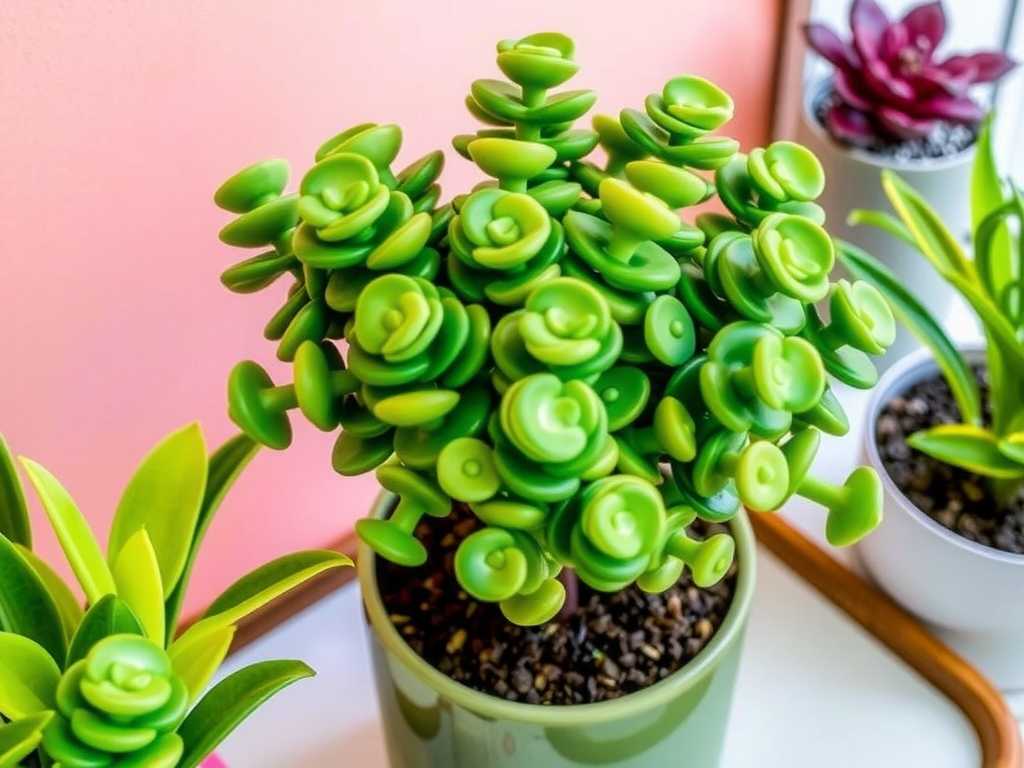
Before we dive into the fixes, it's crucial to understand why your jade plant is growing tall and leggy in a large pot. Primarily, it's a survival response to insufficient light. Jade plants are sun-lovers native to bright, arid environments. When light is low, they stretch their stems towards any available light source, resulting in elongated internodes (the spaces between leaves). A large pot compounds this issue by holding more soil moisture for longer, which, coupled with low light, encourages weak, rapid growth rather than strong, compact development. Addressing the root cause is the first step to a lasting solution.
Hack 1: Optimize Light Exposure – The Non-Negotiable Foundation
This is the most critical step. You cannot fix a leggy jade plant without providing adequate light. Simply moving it to a brighter spot can prevent further stretching and encourage tighter new growth.
- Ideal Placement: Position your jade plant where it can receive at least 4-6 hours of direct sunlight daily. A south-facing or west-facing window is ideal in most hemispheres. The goal is to provide bright, direct light.
- Supplemental Lighting: If natural, direct sun is limited, especially in winter, consider using a grow light. Full-spectrum LED grow lights placed 6-12 inches above the plant for 12-14 hours a day can work wonders. According to horticulturist Dr. Linda Chalker-Scott, "Supplemental lighting is not just for professional growers; it's a practical tool for home gardeners to maintain plant health during low-light seasons."
- Gradual Acclimation: If your plant has been in low light, introduce it to stronger light gradually over a week or two to prevent sunburn. Start with morning sun and increase exposure slowly.
Hack 2: The Strategic Pruning & Pinching Technique
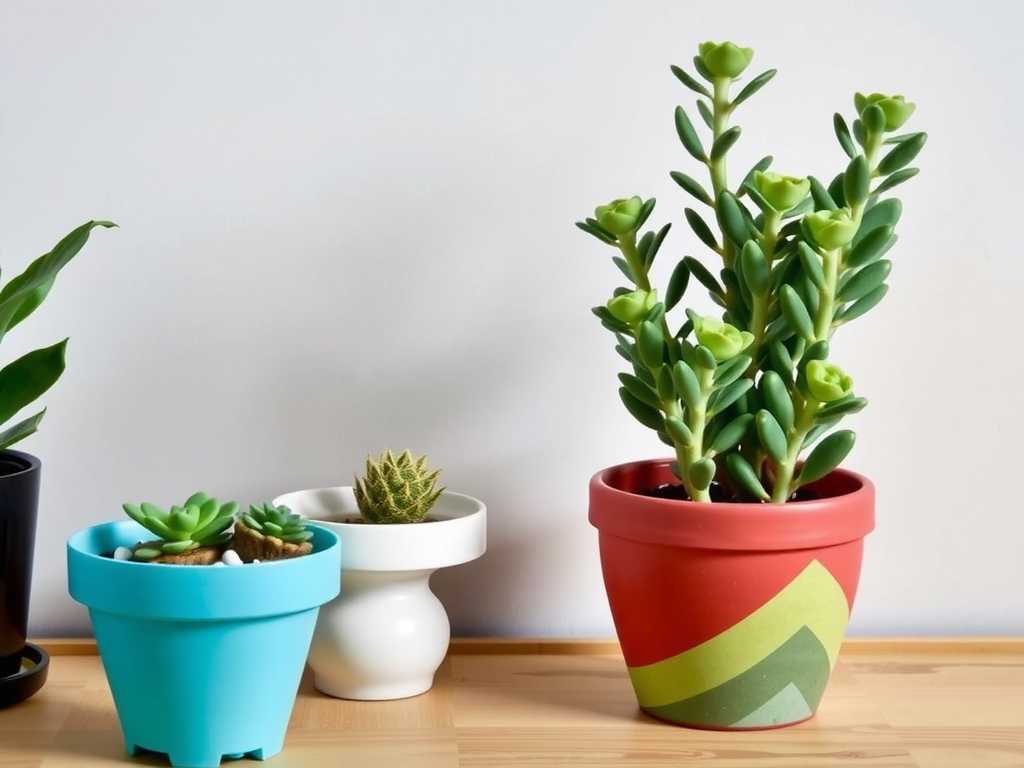
Pruning is your most powerful tool for controlling jade plant height and encouraging a bushier form. It redirects the plant's energy from vertical growth to producing new branches at the cut points.
- Where to Cut: Use clean, sharp pruning shears or scissors. Make your cuts just above a pair of leaves (a "leaf node"). This is where new growth will emerge. For a severely leggy stem, don't be afraid to cut it back significantly.
- Pinching for Density: For newer, softer growth, you can simply "pinch" off the tiny, emerging leaves at the tip of a branch with your fingers. This encourages branching lower down.
- Timing: The best time for major pruning is during the active growing season (spring or early summer), but corrective pruning can be done year-round when combined with improved light.
Hack 3: Master the Art of Watering in a Large Pot
Proper watering for compact jade plants in oversized containers is different from standard care. Large pots retain water longer, increasing the risk of root rot and promoting weak growth.
- The "Soak and Dry" Method: Water thoroughly only when the soil is completely dry. Insert your finger or a moisture meter deep into the soil, near the root ball. If there's any dampness, wait.
- Adjust for Pot Size: You will likely water a jade plant in a large pot far less frequently than one in a small pot. The focus is on deep, infrequent watering that mimics a natural drought cycle, promoting stronger roots and slower, sturdier growth.
- Seasonal Adjustments: Water significantly less in fall and winter when plant growth slows and evaporation is lower.
Hack 4: Strategic Fertilization for Strength, Not Just Size
Fertilizer supports growth, but the wrong type or schedule can exacerbate legginess. You want to nourish compact, strong growth.
- Formula: Use a balanced, water-soluble fertilizer diluted to half-strength (e.g., 10-10-10 or 5-5-5) or a fertilizer specifically formulated for succulents and cacti.
- Schedule: Fertilize only during the active growing season (spring and summer). A light feeding once a month is sufficient. Avoid fertilizing in fall and winter.
- Philosophy: Think of fertilizer as a vitamin, not a meal. Over-fertilizing, especially with high-nitrogen formulas, can cause rapid, soft growth that is more prone to stretching.
Hack 5: Propagation & Strategic Replanting
Sometimes, the most effective solution is to start fresh with the healthiest parts of your plant. This hack directly tackles tall growth in large containers by resetting the plant's structure.
- Propagate Cuttings: The stems you pruned in Hack 2 are perfect for propagation. Let the cut ends callous over for a few days, then plant them in a small pot with fresh, well-draining succulent mix. This gives you new, compact plants from the start.
- Downsize or Refill the Pot: If the pot is excessively large, consider moving the pruned parent plant to a container only 1-2 inches wider than its root ball. Alternatively, you can keep it in the large pot but add a significant layer of drainage material (like perlite or lava rock) at the bottom and ensure the soil mix is very gritty (50% potting soil / 50% perlite or coarse sand). This improves drainage and reduces the soil volume, giving the roots a more appropriately sized environment.
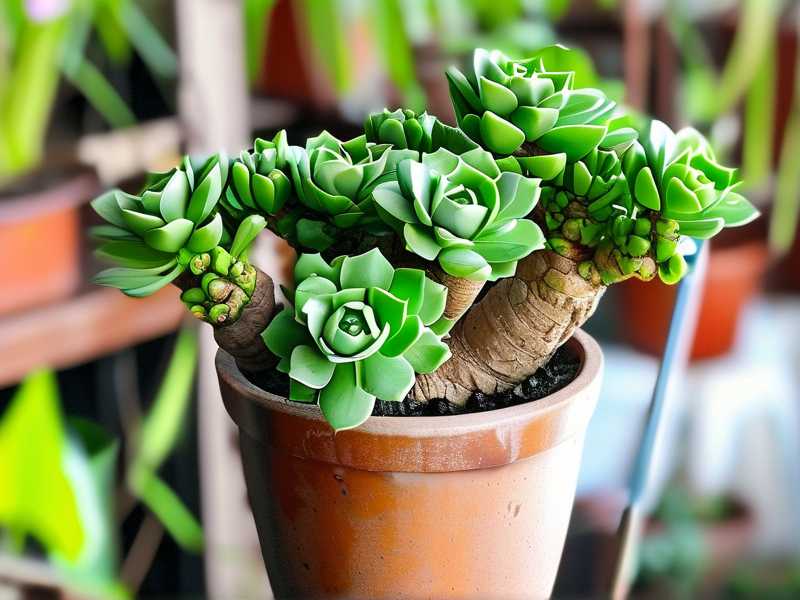
Will the already tall parts of my jade plant shrink back? No, the elongated stems will not shorten. This is why pruning is essential. By cutting back the leggy growth, you force the plant to produce new, compact growth from lower points, creating a fuller shape over time. The old, cut stems will develop a woody, trunk-like appearance, which can enhance the plant's bonsai-like aesthetic.
How often should I prune my jade plant to keep it compact? Pruning is an ongoing process, not a one-time event. Light pinching and tip pruning can be done throughout the growing season whenever you notice a branch getting too long. A more substantial shaping prune is best done once a year, in the spring. Regular pruning, combined with good light, is the key to maintaining long-term density.
Can I just tie the tall stems to a stake to fix the problem? Staking addresses the symptom (flopping) but not the cause (leggy, weak growth). It is only a temporary, cosmetic solution. A healthy, compact jade plant should be able to support its own weight. Focusing on improving light, proper watering, and strategic pruning will build a structurally sound plant that doesn't require staking.
Transforming a tall, leggy jade plant into a compact, thriving specimen is a rewarding process that hinges on understanding its needs. The journey involves a consistent commitment to providing intense light, practicing courageous pruning, and mastering a disciplined watering routine tailored to your large pot. By implementing these five interconnected hacks—optimizing light, strategic pruning, mindful watering, balanced feeding, and considering propagation—you actively guide your plant back to its natural, robust form. Remember, patience is key; new, dense growth will emerge with time and consistent care, turning your stretched-out succulent into the stunning, architectural centerpiece it was always meant to be.