bluename
 How to Treat jade plant Sodium Toxicity: 4 Salt-Buildup Fixes
Your jade plant is a resilient companion, but lately, its leaves might be telling a different story. Are you seeing brown, crispy edges, stunted growth, or an unusual white crust on the soil surface? These are classic distress signals. Often, the culprit isn't neglect but a hidden issue: sodium toxicity and salt buildup. This problem, frequently stemming from the water or fertilizer we use, slowly sabotages your plant's health from the roots up. Understanding how to treat jade plant sodium toxicity is crucial for restoring its vibrant, lush appearance.
This guide will walk you through four effective fixes for salt buildup. We'll help you diagnose the problem, implement solutions, and prevent it from recurring. By the end, you'll have a clear action plan to save your stressed succulent.
Understanding Salt Buildup and Sodium Toxicity in Jade Plants
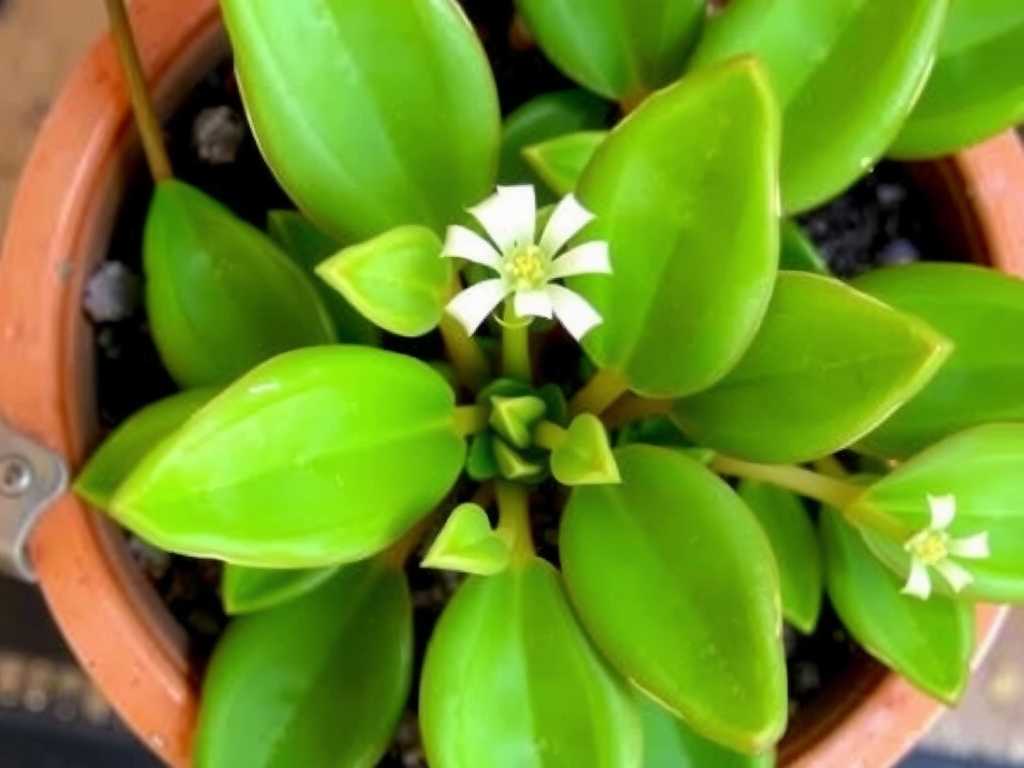
Jade plants (Crassula ovata) are adapted to survive in arid, well-draining environments. Their roots are not designed to handle excessive minerals. Sodium toxicity occurs when salts, primarily sodium but also from fertilizers (like potassium and chloride), accumulate in the potting mix. This creates a hostile environment that prevents roots from absorbing water effectively, leading to a state of physiological drought—even if you're watering regularly.
The sources are often everyday items. Tap water, especially in areas with hard water, contains dissolved salts. Over time, watering with tap water leaves these salts behind as the water evaporates. Similarly, over-fertilizing or using the wrong type of fertilizer adds excess minerals that the plant cannot use. These salts accumulate, forming that telltale white or yellowish crust on the soil or pot rim.
Diagnosing the Problem: Is It Salt Damage?
Before treating, confirm the issue. Look for these key symptoms of salt injury in succulents:
- Leaf Symptoms: Brown, scorched tips and margins on older leaves. Leaves may also appear dull, wilted, or drop prematurely.
- Soil and Pot Signs: A visible white, crystalline, or crusty layer on the soil surface or around the drainage holes and pot edges.
- Growth Issues: Overall stunted growth or a failure to produce new leaves despite adequate light.
Dr. Eleanor Greene, a horticultural physiologist, notes, "Salt stress in container plants mimics underwatering symptoms. The key diagnostic difference is often the presence of salt deposits on the growing medium, which points directly to a mineralization issue rather than simple thirst."
Fix 1: The Thorough Soil Leaching Technique
The most direct method for treating jade plant salt buildup is leaching. This process involves flushing excess salts from the soil with a large volume of water.
Here’s how to do it correctly:
- Take your jade plant to a sink, bathtub, or outdoor area where water can drain freely.
- Slowly pour a generous amount of distilled water, rainwater, or filtered water over the soil. Avoid using tap water for this treatment. The volume should be at least four to five times the volume of the pot. For example, a 1-gallon pot needs 4-5 gallons of water.
- Pour slowly, allowing the water to seep through the soil and drain completely from the bottom. This gradual flow dissolves the salts and carries them out of the drainage holes.
- Let the plant drain thoroughly for several hours before returning it to its saucer. Ensure no standing water remains.
Fix 2: Repotting with Fresh, Well-Draining Soil
If leaching doesn't seem sufficient or the buildup is severe, repotting is the best remedy for jade plant sodium toxicity. This gives your plant a completely fresh start.
Step-by-Step Repotting Guide:
- Gently remove the jade plant from its current pot. You may need to tap the pot's sides to loosen the root ball.
- Carefully shake away and remove as much of the old, salt-saturated soil as possible from the roots. You can use a soft brush or rinse the roots lightly with distilled water.
- Inspect the roots. Trim away any that are black, mushy, or severely damaged using sterile pruners.
- Choose a clean pot with excellent drainage holes. It can be the same size or slightly larger.
- Fill the bottom with a fresh, fast-draining succulent or cactus potting mix. These mixes contain materials like perlite or pumice that improve drainage and resist compaction.
- Place the plant in the new pot, fill around it with fresh soil, and water lightly to settle the roots. Wait a week before resuming a normal watering schedule.
Fix 3: Switching to Low-Sodium Water Sources
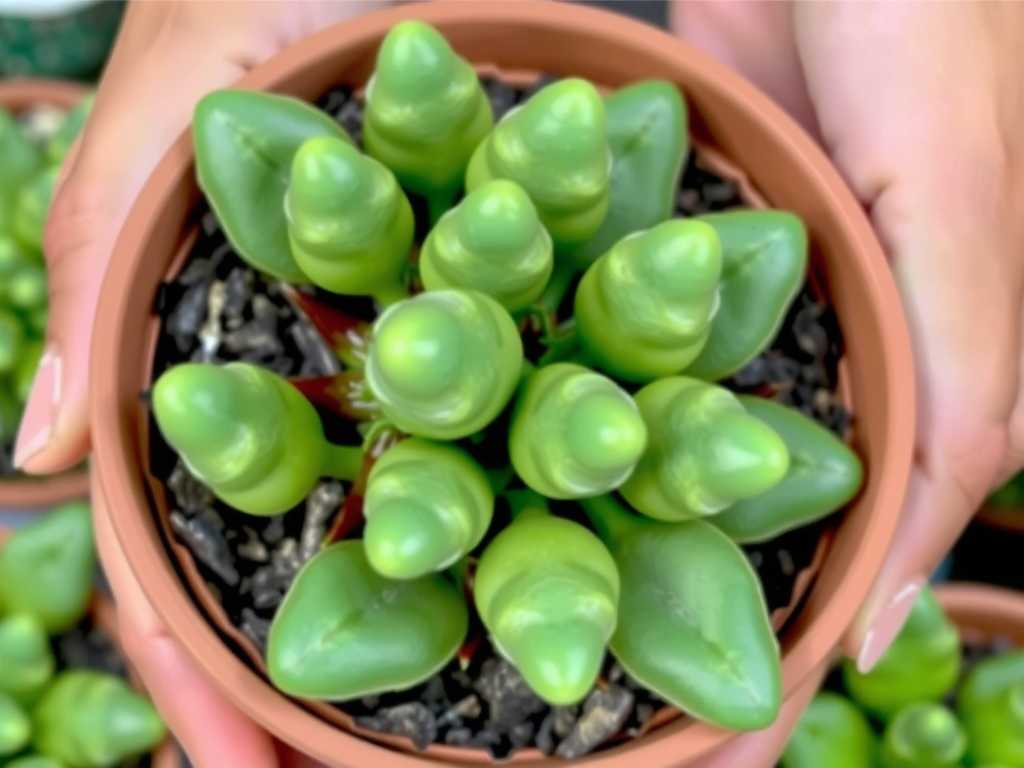
Prevention is the best cure. Changing your water source is the most effective long-term strategy to prevent salt injury in succulents.
Optimal Water Choices for Jade Plants:
- Rainwater: This is the ideal, naturally soft water source.
- Distilled Water: Completely free of minerals and salts.
- Filtered Water: Use a filter designed to remove dissolved solids and minerals.
- Tap Water Mitigation: If you must use tap water, let it sit in an open container for 24 hours. This allows some chlorine to evaporate (though it does not remove dissolved salts). Using this water can slightly reduce the rate of buildup.
Fix 4: Adjusting Your Fertilization Practices
Over-fertilization is a major contributor to salt accumulation. Jade plants are light feeders and require minimal nutrients.
Smart Fertilizing to Avoid Toxicity:
- Frequency: Fertilize only during the active growing season (spring and summer), and no more than once every 2-3 months. Do not fertilize in fall and winter.
- Formula: Always use a balanced, water-soluble fertilizer specifically formulated for succulents or cacti. These are diluted and have a lower salt index.
- Method: Dilute the fertilizer to half or even a quarter of the strength recommended on the label. Apply it to damp soil to prevent root burn.
- An annual soil flush (as in Fix 1) every 6-12 months, even without visible crust, can help prevent slow accumulation from both water and fertilizer.
Maintaining a Salt-Free Environment
After treatment, ongoing care is simple. Use your new low-sodium water source consistently. Stick to a conservative fertilization schedule. Every few months, check the soil surface and pot rim for early signs of new crust formation. Catching it early makes management easy. Ensure your plant receives plenty of bright, indirect light and is planted in a gritty, well-draining mix. A healthy jade plant in optimal conditions is far more resilient to minor stresses.
Frequently Asked Questions
Can a jade plant recover from sodium toxicity? Yes, jade plants can recover remarkably well if the damage is not too advanced. The key is to remove the source of the salts (by changing water/fertilizer habits) and actively remove the existing buildup through leaching or repotting. New growth will emerge healthy once the root environment is corrected.
How often should I flush my jade plant's soil to prevent salt buildup? As a preventative maintenance step, flushing the soil once a year is a good practice. Use distilled, rainwater, or filtered water and follow the leaching method. If you use tap water regularly, consider doing this every 6-8 months. Always let the plant drain completely afterward.
Is the white stuff on my jade plant's soil always harmful salt? Not always. Sometimes, a white, fuzzy or powdery substance can be a harmless saprophytic fungus feeding on organic matter in damp soil. However, a hard, crystalline crust is almost always mineral deposits. When in doubt, touch it. A fungal growth will feel soft or powdery, while salt crust feels hard and gritty. Salt crust also typically forms on the soil surface and pot, while fungus may be more patchy.
Recognizing the signs of sodium stress early gives you the best chance to intervene successfully. By implementing these four fixes—strategic leaching, repotting with fresh soil, switching to better water, and fertilizing wisely—you directly address the root cause of the problem. Your jade plant’s resilience will shine through once the toxic salt burden is lifted. Consistent, mindful care focused on water quality and minimal feeding will keep your succulent companion thriving for years to come, free from the hidden stress of salt buildup.