bluename
 How to Eliminate jade plant Whiteflies Fast: 3 Quick-Remedy Hacks
You’ve nurtured your jade plant for years, admiring its plump, glossy leaves and sturdy presence. But lately, you’ve noticed a faint, sticky sheen on the leaves and a tiny cloud of white specks fluttering up when you brush against it. Your heart sinks. Whiteflies have invaded. These tiny, sap-sucking pests can quickly weaken your beloved succulent, causing yellowing leaves, stunted growth, and a general decline. The question isn’t just how to get rid of them, but how to eliminate jade plant whiteflies fast. Waiting means an infestation grows, making control harder. This guide cuts through the overwhelm and delivers three actionable, quick-remedy hacks you can implement immediately to reclaim your plant’s health.
Understanding Your Enemy: The Jade Plant Whitefly
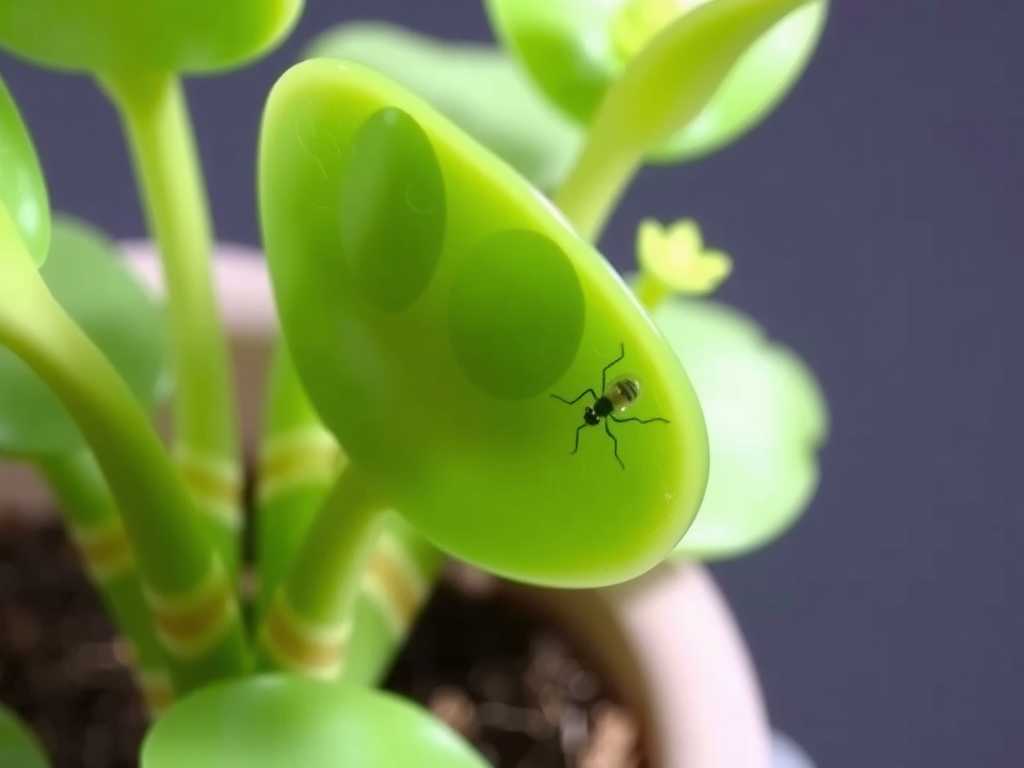
Before we dive into the remedies, a quick identification is crucial. Whiteflies are not true flies but are related to aphids and scale. Adults are tiny, moth-like insects with powdery white wings. They congregate on the undersides of leaves, where they also lay their oval, pale yellow eggs. The immature nymphs, or “crawlers,” are flat, scale-like, and immobile, feeding fixed in one spot.
Their damage is twofold. First, they pierce leaf tissues and suck out phloem sap, robbing the plant of vital nutrients. This leads to chlorosis (yellowing), leaf drop, and a lack of new growth. Second, they excrete a sugary waste called honeydew, which coats the leaves and promotes the growth of sooty mold—a black, fungal coating that further inhibits photosynthesis. According to a study in the Journal of Integrated Pest Management, a severe whitefly infestation can reduce plant vigor by over 40% within weeks if left unchecked.
The key to fast elimination is a two-pronged attack: immediately reducing the adult population and disrupting the life cycle of the eggs and nymphs. The following three hacks are designed to do exactly that, with increasing intensity based on the severity of your situation.
Hack #1: The Immediate Physical Blitz – Sticky Traps & Strong Spray
For a light to moderate infestation, your first move should be immediate physical intervention. This hack aims to drastically cut down the adult whitefly population within hours, giving your plant instant relief.
Deploy Yellow Sticky Traps Whiteflies are strongly attracted to the color yellow. Hang several yellow sticky cards close to your jade plant. These traps act as a monitoring tool and a control method, capturing scores of adult whiteflies and preventing them from laying more eggs. Horticulturist Dr. Eleanor Vance notes, “Sticky traps are a cornerstone of initial whitefly management. They provide a clear visual of pest pressure and offer non-chemical population reduction.”
The Power Wash Blast Next, give your plant a thorough cleaning. Take your jade plant to a sink, shower, or outdoors. Using a gentle but firm stream of lukewarm water, spray the entire plant, paying meticulous attention to the undersides of jade plant leaves. This physical dislodgement washes away adults, nymphs, eggs, and existing honeydew. For added potency, create a simple soap spray: mix 1-2 teaspoons of mild liquid castile soap or insecticidal soap per quart of water. The soap breaks down the insects’ waxy outer coating, causing dehydration. Spray thoroughly, wait 15-20 minutes, then rinse with clean water to prevent soap residue from affecting the jade’s pores. Repeat this blitz every 3-4 days for two weeks to break the life cycle.
Hack #2: The Natural Arsenal – Neem Oil & Companion Tactics
If the infestation persists after the initial blitz, or if you prefer a robust organic approach, this hack utilizes nature’s own defenses. It’s highly effective for controlling whiteflies on succulents like jade plants without harsh chemicals.
Neem Oil: The Organic Powerhouse Neem oil is a triple-threat remedy. It acts as a repellent, an insect growth regulator (disrupting the molting process of nymphs), and a mild anti-feedant. To use, purchase pure, cold-pressed neem oil and mix it correctly: 1 teaspoon neem oil and ½ teaspoon of mild soap per quart of warm water. Shake vigorously and spray your jade plant until dripping, especially under the leaves, in the early evening to avoid sun-scorch. The oil must contact the pests. Reapply every 7-10 days. Consistency is key here, as neem oil controls but may not instantly kill all adults.
Boost Defense with Diatomaceous Earth For a dry, powdery barrier, use food-grade diatomaceous earth (DE). This fine powder is made from fossilized algae and has microscopic sharp edges that pierce the exoskeletons of crawling nymphs and adults, causing them to dehydrate. Lightly dust the soil surface and the base of the stem. Reapply after watering. Note: DE only works when dry and is less effective against flying adults, so it’s best used in combination with sprays.
Isolate and Inspect Crucially, isolate your affected jade plant from other houseplants immediately. Whiteflies spread easily. Make inspecting the undersides of leaves a weekly ritual for all your plants to catch any new issues early.
Hack #3: The Targeted Nuclear Option – Insecticidal Soap & Systemic Solutions
For severe, stubborn infestations that laugh at other methods, a more targeted, potent approach is necessary. This hack uses stronger, yet still plant-safe, active ingredients to eradicate whitefly infestations completely.
Upgraded Insecticidal Soaps Move beyond DIY soap sprays to commercial insecticidal soaps or horticultural oils (like neem or canola oil-based products). These are formulated for efficacy and plant safety. Products containing potassium salts of fatty acids work by penetrating and disrupting insect cell membranes. Follow label instructions precisely, ensuring complete coverage. Apply in cooler parts of the day and test on a single leaf first. Multiple applications, 5-7 days apart, are typically required.
Consider a Systemic Insecticide (As a Last Resort) For jade plants that are large, heavily infested, or of high sentimental value, a systemic insecticide can be the final, decisive solution. These are products containing ingredients like imidacloprid or acetamiprid, which are absorbed by the plant and transported through its sap. When whiteflies feed, they ingest the insecticide and die. They are available as soil drenches or granules. This method offers long-lasting protection (several weeks) and is highly effective against all life stages hidden on the plant. Important: Only use products labeled for indoor plants or succulents, apply strictly according to the label, and reserve this for extreme cases, preferably using it outdoors and letting the plant dry before bringing it back inside.
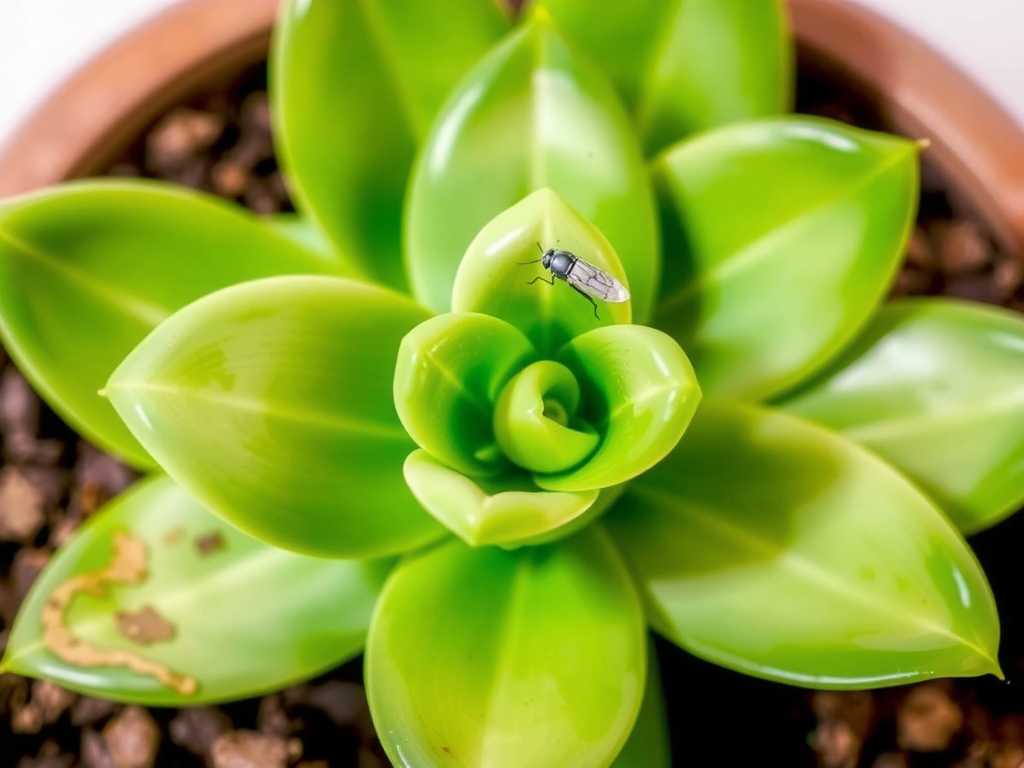
Prevention: The Ultimate Quick Remedy
The fastest way to deal with whiteflies is to never have them at all. Integrate these habits to make your jade plant a fortress.
- Quarantine New Plants: Isolate all new plants for 2-3 weeks before introducing them to your collection.
- Optimize Plant Health: A strong plant resists pests better. Ensure your jade gets plenty of bright, indirect light and is planted in a fast-draining succulent mix. Avoid overwatering and over-fertilizing with nitrogen, as succulent, new growth is especially attractive to pests.
- Regular Leaf Inspection: Make checking the undersides of leaves part of your regular watering routine.
Frequently Asked Questions
Can a severe whitefly infestation kill my jade plant? Yes, potentially. While a healthy jade plant is resilient, a massive, unchecked infestation can cause severe nutrient loss, significant leaf drop, and secondary sooty mold growth. This combined stress can severely weaken or kill the plant, especially if it is already compromised by other factors like root rot.
I’ve tried soapy water sprays, but the whiteflies keep coming back. Why? This is almost always due to an incomplete treatment cycle. Whiteflies have a rapid life cycle (egg to adult in 3-4 weeks under ideal conditions). Spraying once only kills the present adults and nymphs. Eggs are often protected and hatch later. You must repeat treatments every 5-7 days for at least 3-4 cycles to break the chain and catch all newly hatching nymphs before they mature and lay more eggs.
Are whiteflies on my jade plant a sign of poor care? Not necessarily. Whiteflies are opportunistic pests that can be introduced via new plants, open windows, or even on clothing. However, a stressed plant (from low light, overwatering, or poor air circulation) is more susceptible to infestation and will have a harder time recovering. Excellent basic care is your best preventive defense.
Dealing with whiteflies requires prompt action and persistence. Start with the physical blitz to gain immediate ground, escalate to natural solutions like neem oil for sustained control, and reserve the strongest options for the most challenging cases. By understanding the pest’s lifecycle and consistently targeting both adults and immature stages, you can swiftly halt the damage. Remember, the cornerstone of success is a simple, regular habit: turning over those lush, jade-green leaves and ensuring their undersides remain clean and pest-free. Your vigilant care is the most powerful remedy of all.