bluename
 How to Fix jade plant Moisture-Stressed Roots: 4 Root-Health Solutions
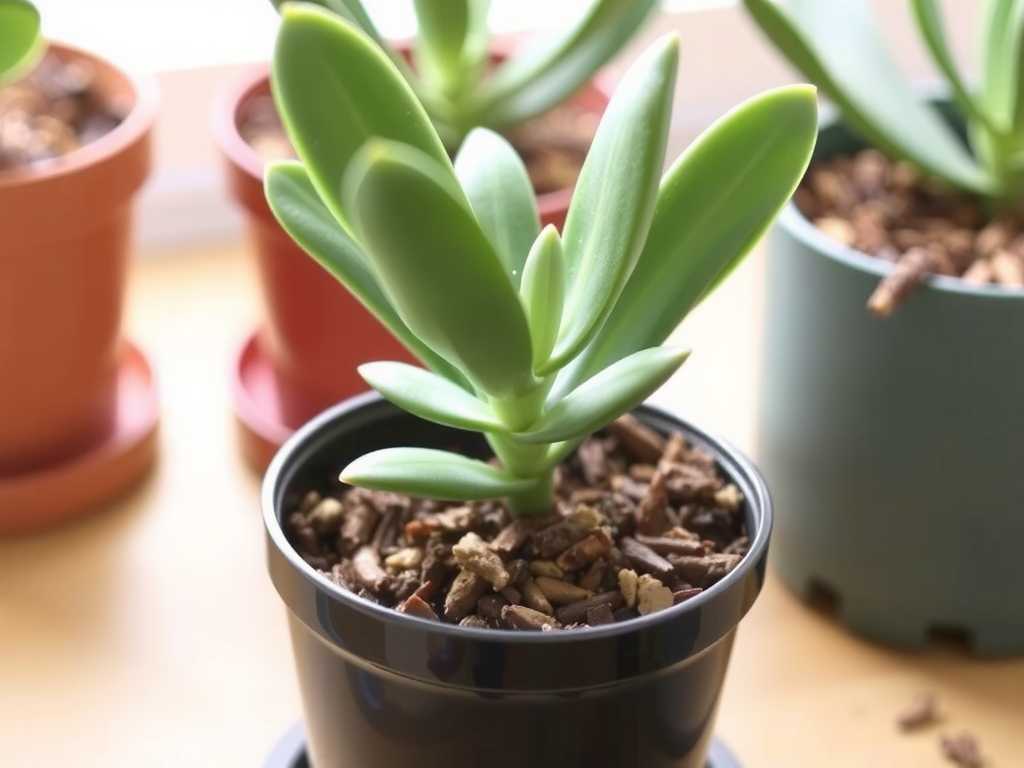
You’ve noticed your jade plant looking unwell. Perhaps its leaves are wrinkled, yellowing, or dropping unexpectedly. Maybe the soil feels perpetually soggy or bone-dry, and the plant just seems to have stopped growing. The culprit is often hidden beneath the surface: moisture-stressed roots. This condition, a direct result of improper watering, is one of the most common threats to these otherwise resilient succulents. Whether from overwatering or underwatering, the root system suffers, compromising the entire plant's health. But don't worry—this damage is often reversible. This guide will walk you through exactly how to fix jade plant moisture-stressed roots with four actionable, root-health-focused solutions.
Understanding Moisture Stress in Jade Plants
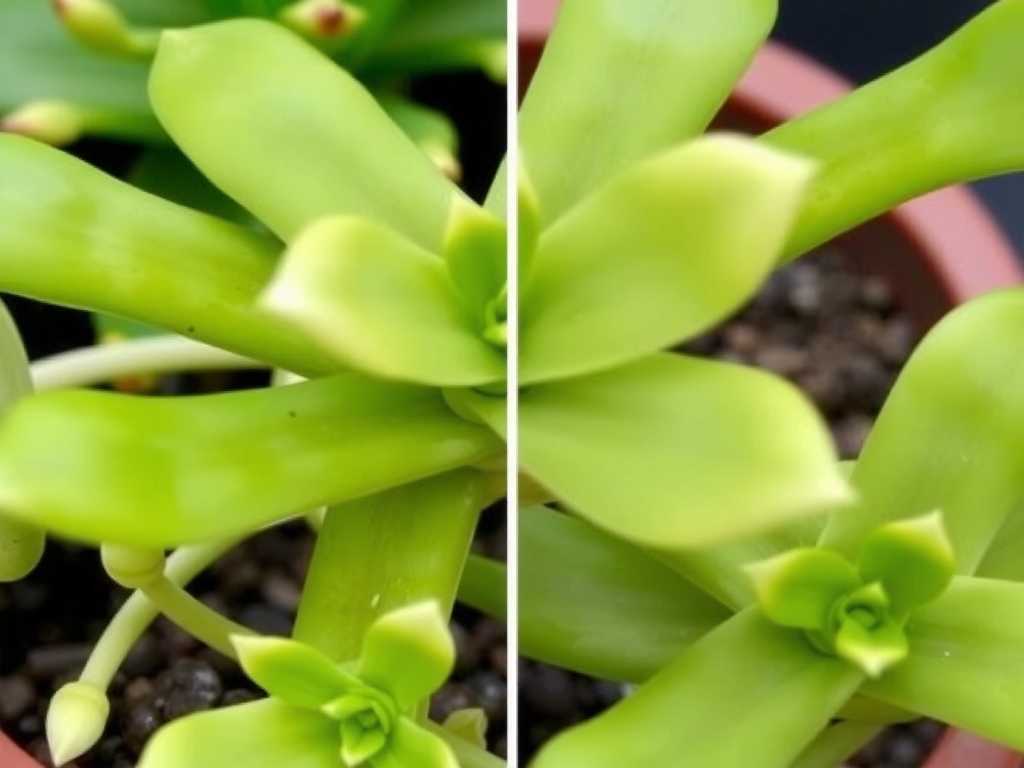
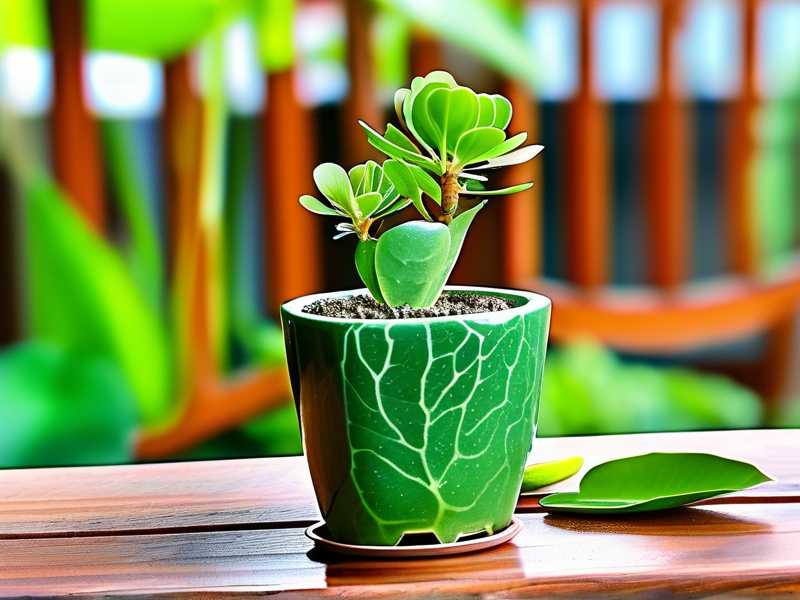
Jade plants (Crassula ovata) are succulents, meaning they store water in their thick leaves and stems. Their roots are adapted to absorb water quickly during rare rainfalls and then endure periods of dryness. When our care routine disrupts this natural cycle, the roots experience stress.
Overwatering is the more frequent and dangerous issue. Saturated soil deprives roots of oxygen, leading to root rot—a condition where roots turn soft, brown, and mushy, and can no longer function. Underwatering, while less immediately fatal, causes roots to desiccate, shrivel, and die back, leaving the plant unable to hydrate itself even when water is available. Both scenarios manifest in similar symptoms above ground: wilting, leaf changes, and stunted growth. The key to recovery is a correct diagnosis and prompt, appropriate action.
Solution 1: The Diagnostic Unpotting and Root Assessment
Before any treatment, you must know what you’re dealing with. This step is crucial for determining the extent of the damage and choosing the right path forward.
Gently remove your jade plant from its pot. Carefully brush away the old soil to expose the root ball. Now, conduct a thorough inspection. Healthy jade plant roots are firm, white, or light tan. Signs of trouble are unmistakable: roots that are dark brown or black, soft to the touch, slimy, or that fall apart easily indicate rot from overwatering. Roots that are brittle, gray, thin, and shriveled signal dehydration from underwatering.
Use sterilized scissors or pruning shears to prune away all damaged roots. Cut back to healthy, firm tissue. As noted by horticulturist and succulent expert Dr. Emily Carter, "When treating root rot, be ruthless in your removal. Every piece of decaying root left behind can harbor pathogens that will spread to the healthy parts." For dehydrated roots, simply remove the clearly dead, papery material. After pruning, allow the root system to air dry and callus over in a shaded, well-ventilated area for 24-48 hours. This resting period is vital to prevent infection when repotting.
Solution 2: Strategic Repotting for Optimal Drainage and Aeration
You cannot put a recovering plant back into the same environment that made it sick. Repotting into a fresh, well-structured medium is non-negotiable for fixing moisture-stressed roots.
The choice of pot is your first defense. Select a container with multiple drainage holes. Terracotta pots are excellent for jade plants as they are porous, allowing soil to dry more evenly. The new pot should only be slightly larger than the remaining root system; an oversized pot holds excess soil that stays wet too long.
The soil mix is the cornerstone of recovery. Abandon dense, moisture-retentive potting soils. Instead, use a specialized succulent or cactus mix. For even better drainage and aeration—key factors for root health—create your own blend. A proven recipe is two parts succulent mix to one part perlite and one part coarse sand or poultry grit. This creates a fast-draining, loose structure that provides physical support while letting water flow through and air reach the roots. When repotting, place the plant at the same depth it was before, gently filling in around the roots with your new mix.
Solution 3: Mastering the "Soak and Dry" Watering Technique
With healthy roots in a well-draining home, your watering technique must change to prevent a relapse. The "soak and dry" method is the gold standard for jade plant care and is essential for maintaining root health.
Here’s how it works: Do not water on a schedule. Instead, check the soil moisture. Insert your finger or a wooden skewer deep into the pot. Water only when the soil is completely dry throughout—this could take two weeks or more, depending on your climate and season. When it’s time, water thoroughly. Pour water evenly over the soil until it runs freely out of the drainage holes. This ensures the entire root ball is moistened. Then, let the pot drain completely and do not water again until the soil is fully dry. This cycle mimics the natural desert rains the plant is evolved for, encouraging strong root growth without risking waterlogging.
Solution 4: Creating a Supportive Environment for Root Recovery
Your plant’s environment directly impacts soil moisture and root function. Optimizing these factors supports the other solutions.
Place your recovering jade plant in a location with plenty of bright, indirect light. Several hours of morning sun is ideal. Adequate light helps the plant use water efficiently through photosynthesis and strengthens new growth. Avoid deep shade, which slows drying and growth, and harsh afternoon sun, which can scorch a stressed plant.
Ensure good air circulation around the plant. Stagnant, humid air slows soil evaporation and can encourage fungal issues. A gentle breeze from a fan or an open window helps keep the environment fresh. Finally, resist the urge to fertilize a plant recovering from root stress. Fertilizers can burn tender new roots and force top growth when the plant’s energy should be focused below the soil. Wait until you see consistent, healthy new growth—typically after 3-4 months—before applying a diluted, balanced fertilizer.
What are the first signs of root rot in a jade plant? The earliest signs are often subtle and appear above ground before the roots are severely compromised. Look for leaves that become slightly soft, yellow, or translucent, starting at the bottom of the plant. The plant may stop growing, and the stems might feel slightly soft. When these symptoms appear, especially if the soil is damp, it's time to check the roots.
Can a jade plant recover from severe root rot? Yes, it often can, even if most of the roots are gone, provided the stem and some branches are still firm and green. After aggressively removing all rot, you may be left with a mostly bare stem. Allow it to callus and then repot it into dry, well-draining mix. Water very sparingly (only a light mist around the base) until new root nubs appear, which can take several weeks. The plant will use stored water from its leaves and stems to survive.
How often should I really water my jade plant? There is no universal weekly answer. Frequency depends entirely on factors like pot size, soil type, light levels, temperature, and humidity. The only reliable method is the "soak and dry" approach. Always test the soil moisture first. In summer, it may need water every 10-14 days; in winter, it might go a month or more without needing a drink. Let the plant's soil, not the calendar, be your guide.
Addressing moisture-stressed roots requires patience and a shift in care philosophy. By accurately diagnosing the problem, surgically removing damaged roots, providing a physically supportive soil environment, mastering a disciplined watering technique, and optimizing growing conditions, you give your jade plant the foundation it needs not just to recover, but to thrive. These four root-health solutions work in concert to restore the natural balance between water, air, and roots, transforming a struggling succulent back into a vibrant, resilient specimen for years to come.