bluename
 How to Cure jade plant Rust Fungus Fast: 3 Rapid Fixes
You’ve nurtured your jade plant for years, watching its plump, green leaves become a symbol of your care. Then, one day, you spot them—ugly, orange-brown spots that look like rust, spreading across the foliage. Panic sets in. Is your beloved plant dying? Don't despair. Jade plant rust fungus is a common and treatable problem. This guide cuts through the confusion and delivers three rapid, actionable fixes to restore your plant’s health, fast.
Understanding the enemy is the first step to victory. Jade plant rust is typically caused by fungal pathogens, often from the Puccinia genus, though other fungi or even bacterial issues can mimic rust symptoms. It thrives in conditions of excess moisture, poor air circulation, and stressed plants. Those telltale spots are actually fungal structures producing spores, which can easily spread to other leaves or nearby plants.
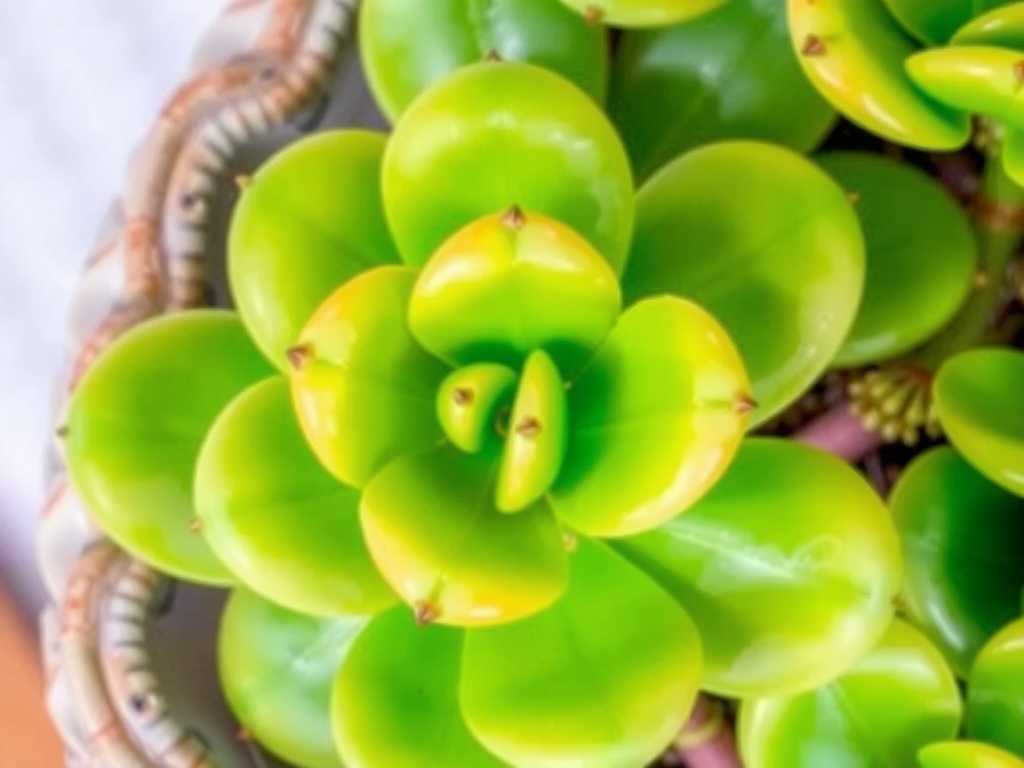
Before you begin treatment, proper diagnosis is crucial. True rust fungus appears as raised, powdery, orange-brown to yellowish pustules primarily on the undersides of leaves. The top surface may show corresponding yellow or pale spots. Rule out overwatering (which causes soft, mushy leaves) or sunburn (dry, crispy brown patches). Once confirmed, immediate isolation of your jade plant is non-negotiable to prevent a full-blown outbreak.
Fix #1: The Surgical Removal and Environmental Overhaul
The fastest way to stop the spread is to physically remove the infected material. This isn't a suggestion; it's a necessity.
Immediate Leaf Pruning Grab a pair of sharp, sterilized pruning shears or scissors. Wipe them with isopropyl alcohol between each cut to avoid cross-contamination. Carefully remove all leaves showing significant rust spots. If a leaf has only a minor spot, you can try trimming just the affected portion. For severely infected stems, prune them back to healthy tissue. Be ruthless—it’s better to lose a few leaves than the entire plant. Dispose of these leaves in a sealed bag, not in your compost.
Mastering the Dry Environment Fungus cannot survive without moisture. Your jade plant’s recovery depends on you correcting its environment.
- Watering Discipline: This is the most critical change. Only water when the top 1-2 inches of soil are completely dry. Soak the soil thoroughly, then let it dry out completely. Never let the plant sit in a saucer of water. Consider bottom watering to keep foliage dry.
- Airflow is Key: Move the plant to a location with good air circulation. A gentle breeze from a fan (not pointed directly at it) or a slightly open window can work wonders. This helps leaves dry quickly after any accidental watering.
- Sunlight Boost: Ensure your jade receives plenty of bright, indirect light. Stronger plants resist disease better. Avoid sudden moves to harsh direct sun, which can cause stress, but gradually increase light exposure.
Fix #2: Effective Antifungal Treatment Applications
After removal and environmental fixes, it’s time to attack the remaining fungus directly. You have several effective options.
The Natural First Strike: Neem Oil Neem oil is a potent, plant-safe fungicide and insecticide. It works by disrupting the fungal life cycle. Mix according to label instructions (typically 1-2 teaspoons per gallon of water with a few drops of mild soap as an emulsifier). Spray every part of the plant—especially the undersides of leaves—until dripping. Repeat every 7-14 days for at least three applications. Apply in the evening to prevent leaf burn.
The Baking Soda Solution For a mild, homemade remedy, baking soda alters surface pH, making it inhospitable for fungal growth. Mix 1 tablespoon of baking soda and 1/2 teaspoon of mild liquid soap in a gallon of water. Spray lightly on the plant. Test on a small area first, and do not overuse, as residue can build up. This is best for early-stage infections or as a preventative after treatment.
When to Use Commercial Fungicides For advanced, stubborn cases, a copper-based fungicide or a product containing chlorothalonil may be necessary. These are powerful tools. Always read and follow the label instructions meticulously. Apply in a well-ventilated area, covering all plant surfaces. These treatments often require specific intervals (e.g., every 7-10 days) to be effective.
Fix #3: Long-Term Health and Prevention Strategy
Curing the current outbreak is only half the battle. The ultimate goal is to build a resilient jade plant that won’t succumb to rust again.
Soil and Potting Mastery Poor drainage is a root cause of stress. Use a gritty, fast-draining succulent or cactus mix. You can amend regular potting soil with perlite or coarse sand (50/50 mix). Ensure your pot has ample drainage holes. Terracotta pots are excellent as they wick away excess moisture from the soil.
The Art of Preventive Care Incorporate these habits into your regular routine:
- Regular Inspections: Make it a habit to check the undersides of leaves weekly.
- Clean Leaves: Gently wipe leaves with a dry, soft cloth to remove dust, which can harbor spores.
- Avoid Leaf Wetness: Water at the soil level, never overhead.
- Quarantine New Plants: Always isolate new plants for 2-3 weeks before placing them near your collection.
Nutrition for Immunity A weakly fertilized plant is vulnerable. Feed your jade plant with a balanced, water-soluble fertilizer diluted to half-strength during the active growing season (spring and summer). Avoid over-fertilizing, especially in winter, as this can cause soft, susceptible growth.
Can jade plant rust fungus kill my plant? While unsightly, rust fungus is rarely fatal if treated promptly. However, a severe, untreated infection can cause extensive leaf drop, stunted growth, and weaken the plant so severely that it succumbs to secondary issues like root rot. The key is early and consistent action.
Is the rust on my jade plant contagious to other plants? Yes, absolutely. The fungal spores are airborne and can easily spread through splashing water or physical contact. This is why immediate isolation of the infected plant and careful sanitation of your tools are among the most critical first steps you must take.
How long does it take for a jade plant to recover from rust fungus? With aggressive treatment, you should see the spread halt within 1-2 weeks. New growth will emerge clean and healthy if conditions are corrected. However, existing spots on leaves that were not removed will not disappear; they will remain as scars. The plant’s full aesthetic recovery, through new growth, can take several months. Patience and consistent care are essential.
Seeing rust on your jade plant can be alarming, but it is a manageable setback. The path to recovery is clear: act swiftly with physical removal, correct the environmental conditions that allowed the fungus to thrive, and apply a consistent treatment to eradicate it. By embracing the long-term preventive strategies of proper watering, excellent drainage, and good airflow, you’ll do more than cure a single infection. You’ll cultivate a stronger, more vibrant jade plant that can thrive for decades to come. Your quick intervention today saves the lush, green beauty of tomorrow.