bluename
 How to Fix jade plant Stiff & Brittle Stems: 4 Strength-Restoring Solutions
You’ve nurtured your jade plant for years, admiring its plump, glossy leaves and sturdy presence. But lately, something feels off. When you gently brush against it, the stems feel stiff and brittle instead of firm and supple. A slight bump might even cause a branch to snap. This isn’t the resilient, woody growth you expect from a healthy Crassula ovata. If your jade plant has stiff and brittle stems, it’s a clear distress signal from your green companion. This condition weakens the plant’s structure, making it prone to breakage and hindering its lush, tree-like growth. More importantly, it often points to underlying care issues that, if left unaddressed, can threaten the plant’s long-term vitality.
Don’t worry—this problem is almost always reversible. Stiff, brittle stems are typically a symptom of environmental stress, not a death sentence. By understanding the root causes and applying targeted solutions, you can restore your plant’s vigor and flexibility. This guide will walk you through the four most effective strength-restoring solutions, helping you transform those fragile branches back into pillars of strength.
Understanding Why Jade Plant Stems Become Brittle
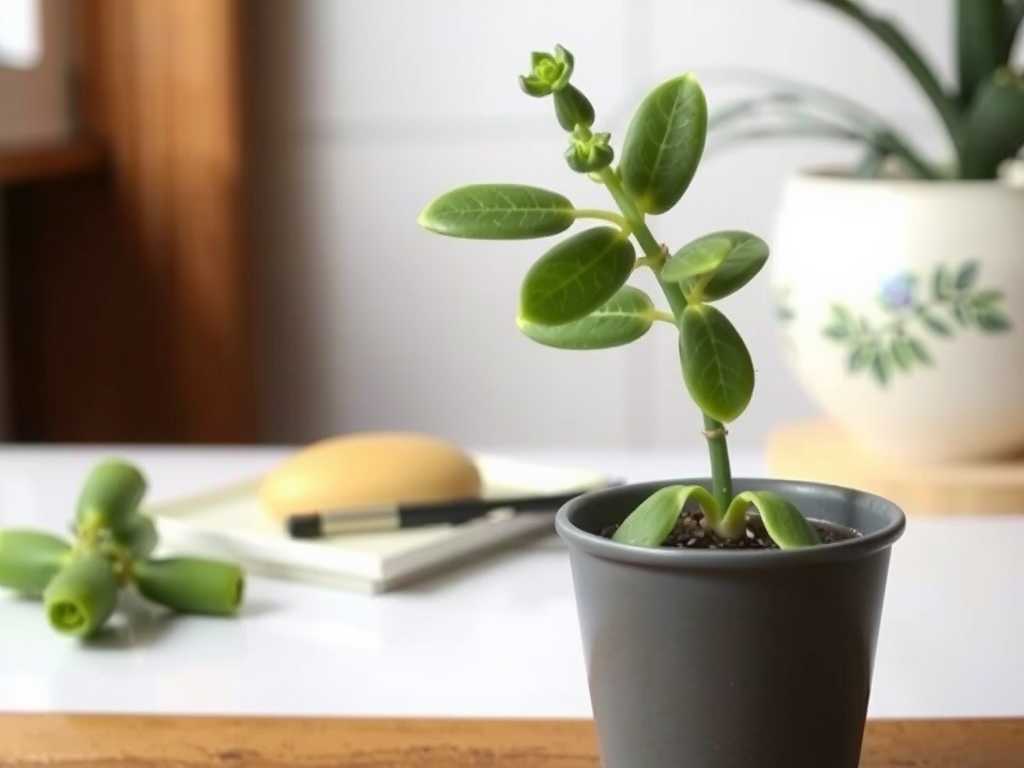
Before we fix the problem, we need to diagnose it. Jade plants are succulents, storing water in their stems and leaves. Their stems should have a certain firmness but also a degree of flexibility, especially in newer growth. When they become unnaturally stiff and snap easily, one or more of these factors are usually at play.
The primary culprit is almost always improper watering, but light, nutrients, and age contribute significantly. A study on succulent physiology in the Journal of Arid Environments notes that succulents develop brittle, lignified tissues as a survival response to prolonged drought stress, altering their cell structure for water conservation at the expense of flexibility.
Solution 1: Revitalize Through Correct Hydration
Incorrect watering is the leading cause of brittle stems. Both underwatering and overwatering can manifest in similar ways, but the context differs.
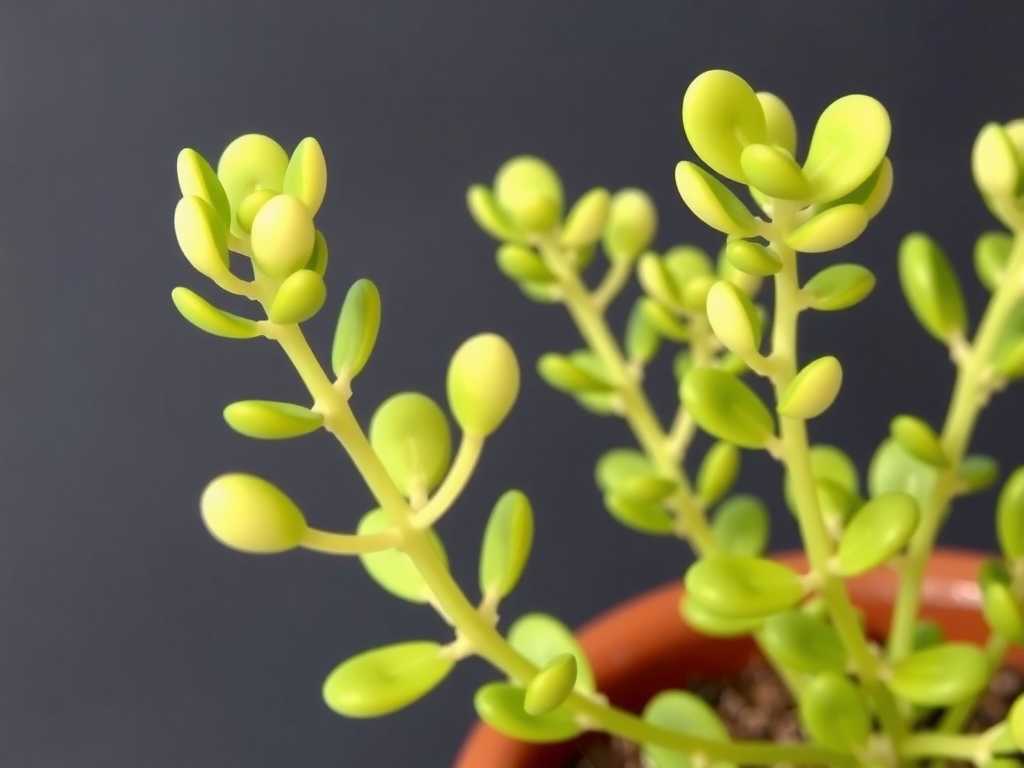
The Underwatering Crisis When a jade plant is chronically underwatered, it goes into survival mode. It draws all remaining moisture from its stems to supply its leaves, causing the stems to desiccate, shrink, and become woody and brittle. The soil may pull away from the pot’s edges.
The Fix: The Deep Soak Method Don’t just sprinkle water on the surface. Place the pot in a sink or basin and water thoroughly until water flows freely from the drainage holes. Allow it to sit for 15-30 minutes, then drain completely. Let the soil dry out almost completely (top 1-2 inches) before the next deep watering. Consistency is key—establish a routine based on your home’s humidity and light, not a fixed calendar schedule.
The Overwatering Paradox Surprisingly, overwatered jade plants can also develop weak, brittle stems. Soggy soil suffocates roots, causing root rot. The damaged roots can’t transport water or nutrients upward, so the stems and leaves begin to dry out and crisp from the inside, even while the soil is wet. The stems may feel brittle and the base may be soft or mushy.
The Fix: Soil Assessment and Repotting If you suspect overwatering, check the roots. Gently remove the plant from its pot. Healthy roots are white or light tan and firm. Rotten roots are dark, mushy, and may smell. Snip off all rotten roots with sterile shears. Repot the plant into fresh, well-draining succulent/cactus mix, and ensure the pot has ample drainage holes. Hold off on watering for about a week to let the roots heal.
Solution 2: Optimize Light for Sturdy Growth
Light is the energy source that builds strong plant tissue. Insufficient light causes etiolation—stretching toward the light source. These elongated stems are weak, thin, and prone to brittleness because the plant’s resources are stretched too thin.
Providing the Right Intensity Jade plants crave bright, direct light for at least 4-6 hours daily. A south or west-facing window is ideal. If your stems are leggy and brittle, gradually acclimate your plant to stronger light to avoid sunburn. Horticulturist and author Maria Fernanda notes, “A light-starved jade prioritizes height over girth, resulting in structurally compromised stems that lack the lignin and cellulose for proper support.”
Promoting Balanced Growth Rotate your plant a quarter turn every time you water to ensure all sides receive even light, promoting symmetrical, sturdy stem development. For homes with poor natural light, consider using a grow light placed 6-12 inches above the plant for 12-14 hours a day.
Solution 3: Strengthen with Strategic Nutrition
A jade plant living in depleted soil lacks the minerals needed to build robust, flexible cell walls. Brittle stems can indicate a deficiency, particularly in potassium and calcium, which are vital for stem strength and cellular integrity.
Implementing a Fertilizing Routine Feed your jade plant only during its active growing season (spring and summer). Use a balanced, water-soluble fertilizer diluted to half-strength (e.g., 10-10-10 or 5-5-5) every 4-6 weeks. Alternatively, use a fertilizer specifically formulated for succulents and cacti. Avoid fertilizing in fall and winter when the plant is dormant, as this can lead to weak, soft growth.
The Role of Potassium and Calcium Potassium regulates water flow and enzyme activation, while calcium is a key component of cell walls. A lack of these can directly contribute to brittle tissue. If you suspect a severe deficiency, a fertilizer with a slightly higher “K” (potassium) value can be beneficial.
Solution 4: Prune for Power and Propagation
Sometimes, the best way to restore strength is to remove the compromised growth. Strategic pruning redirects the plant’s energy to healthier stems, encouraging thicker, stronger new growth from the base or just below the cut.
How to Prune Brittle Stems Correctly Using clean, sharp pruning shears or a knife, identify the brittle stems. Make a clean cut just above a leaf node (the point where leaves emerge) on a healthy, still-flexible section of the stem. You can also perform a hard prune to reshape the plant, cutting back up to one-third of the growth. This may seem drastic, but it stimulates vigorous, healthy regrowth.
Turning Cuttings into New Plants Don’t discard those pruned stems! Even if the tip is brittle, a healthy middle section can be propagated. Allow the cuttings to callus over in a dry, shaded spot for 3-5 days. Then, plant them in a dry succulent mix. This not only gives you new plants but also demonstrates the resilience you’re helping your main plant achieve.
Can a jade plant recover from severely brittle stems? Yes, absolutely. Jade plants are remarkably tenacious. As long as there is some green, flexible growth and a healthy root system (or you can re-establish one through repotting), it will recover. Follow the solutions above, focusing first on correcting water and light. New growth will emerge with proper care, and you can eventually prune away the most damaged old stems.
How often should I water to prevent brittle stems? There is no universal schedule. The frequency depends on pot size, soil, light, temperature, and humidity. The only reliable method is the “finger test.” Insert your finger into the soil up to the second knuckle. If it feels completely dry, it’s time for a deep, thorough watering. If it feels cool or damp, wait. This approach prevents both underwatering and overwatering.
Are brittle stems always a sign of a problem? Not always. It’s natural for the oldest, lowest stems on a mature jade plant to become woody and somewhat harder over time—this is part of developing a tree-like trunk. The concern is when newer, upper stems or multiple stems suddenly become dry, stiff, and snap easily. Context is key: natural lignification is a slow process that adds strength, while problematic brittleness is often widespread and linked to other symptoms like leaf drop or discoloration.
Restoring your jade plant’s stems from brittle to robust is a journey of attentive care. It begins with mastering the balance of hydration, ensuring your plant receives deep but infrequent drinks. It is sustained by bathing it in abundant light, the fundamental fuel for building strong cellular structures. It is supported by providing modest, timely nutrition and having the courage to prune strategically, redirecting energy to where it’s needed most. By implementing these four solutions, you’re not just fixing a symptom; you’re cultivating an environment where resilience is inherent. With patience and consistent care, you’ll witness those stiff stems give way to a framework of enduring strength, supporting a lush, vibrant jade plant for years to come.