bluename
 How to Treat jade plant Molybdenum Deficiency: 4 Leaf-Health Fixes
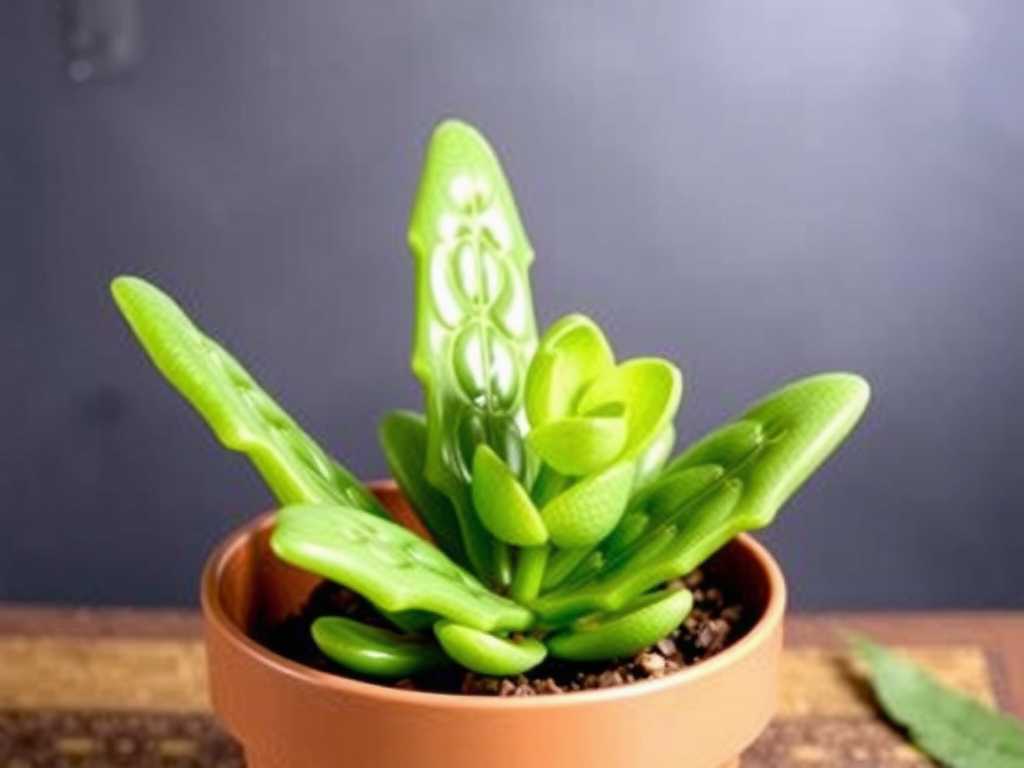
Your jade plant is a resilient friend, but lately, its leaves are telling a different story. You might notice strange yellowing between the veins, or the leaf edges curling and browning. Despite your regular care, it seems unhappy. What you're witnessing could be a hidden hunger—a molybdenum deficiency. This rare but impactful issue specifically targets the health of your jade's succulent leaves. Don't worry; this guide is your solution. We will walk through four clear, actionable fixes to restore your plant's vibrant leaf health and vitality.
Understanding the role of molybdenum is the first step to a cure. Molybdenum is a micronutrient, meaning your jade plant needs only trace amounts. However, its job is critical. It acts as a key catalyst in enzymes that help the plant process nitrogen. Without enough molybdenum, your jade cannot properly use the nitrogen it gets from fertilizer or soil, leading to a cascade of problems that manifest in the leaves. The symptoms often mimic other issues, making correct diagnosis essential for effective treatment.
Identifying Symptoms of Molybdenum Deficiency in Jade Plants
Before you begin any treatment, accurate identification is crucial. The signs of molybdenum deficiency are distinct yet often confused with overwatering or general nutrient lack.
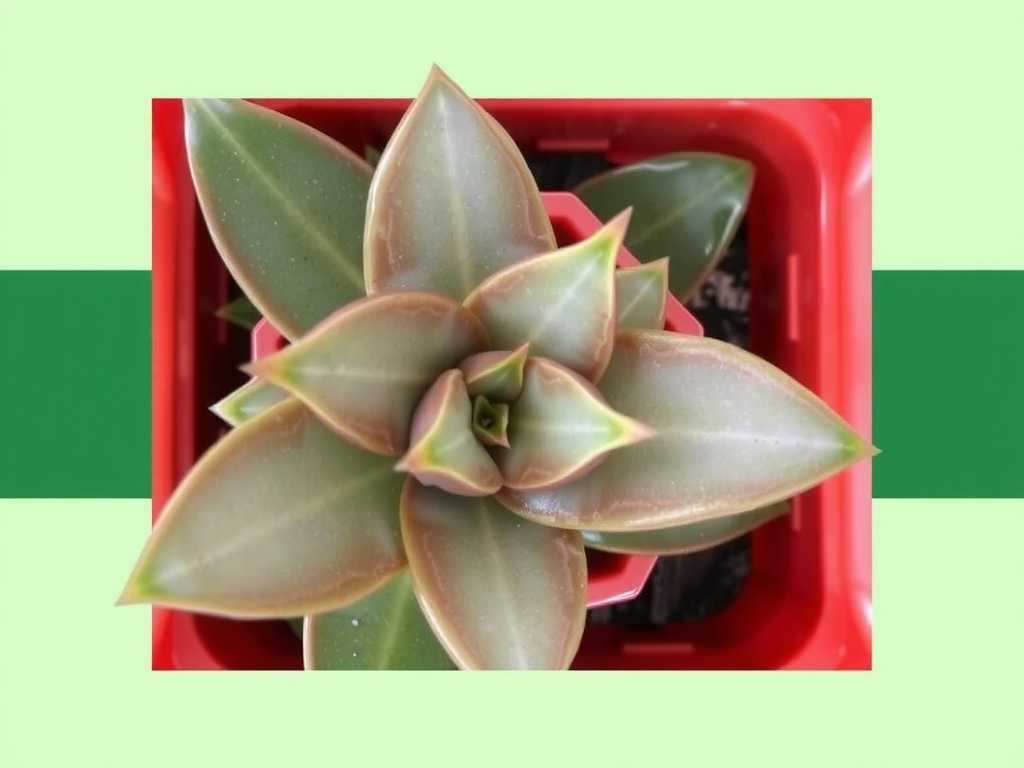
The most classic symptom is interveinal chlorosis. This appears as yellowing on the younger, newest leaves while the veins themselves remain green. It's a starburst pattern of yellow between the green "bones" of the leaf. As the deficiency progresses, you may see leaf margin scorching or curling. The edges and tips of the leaves can turn brown, crisp, and may curl upwards or inwards. In severe cases, the leaves can become distorted and growth may be stunted. According to a study in the Journal of Plant Nutrition, molybdenum-starved plants often show these pigment changes first in new growth because the nutrient is immobile within the plant.
It's important to rule out other causes. Overwatering causes generalized yellowing and leaf drop, often starting with older leaves. A general nitrogen deficiency causes uniform yellowing of older leaves first. If the yellowing is patterned and on new growth, molybdenum is a prime suspect.
The 4-Step Treatment Plan for Leaf Recovery
Now, let's move to the solutions. These four fixes are designed to be used in sequence, from immediate correction to long-term prevention, ensuring your jade plant makes a full recovery.
1. Apply a Targeted Foliar Spray for Quick Correction
When leaf symptoms are visible, the fastest way to get molybdenum into your plant is through its leaves. A foliar spray delivers the nutrient directly to where it's needed.
Use a product containing sodium molybdate or ammonium molybdate. Dilute it carefully according to the label instructions—usually a quarter or half teaspoon per gallon of water is sufficient for micronutrients. Mist the solution lightly onto the foliage, covering both the tops and bottoms of the leaves, early in the morning or late in the afternoon. Avoid spraying in direct, hot sun to prevent leaf burn. This method provides a rapid boost, with improvements often visible in new growth within a few weeks. Horticulturist Dr. Linda Chalker-Scott notes in her urban horticulture work that "foliar feeding is an effective emergency measure for correcting specific micronutrient deficiencies when root uptake may be compromised."
2. Adjust Soil pH to Unlock Natural Nutrients
Molybdenum has a unique relationship with soil pH. Unlike most micronutrients that become more available in acidic soils, molybdenum becomes more available to plants in neutral to slightly alkaline soils. If your potting mix is too acidic (pH below 6.0), your jade plant may be unable to absorb any molybdenum present, even if it's there.
Test your soil's pH using a simple home test kit. Jade plants generally thrive in a pH range of 6.0 to 6.5. If your soil is too acidic, you can gently raise the pH. Incorporate a small amount of garden lime (calcium carbonate) into the top layer of soil, or water with a light solution of wood ash water. Do this gradually, retesting after a few weeks. Correcting the pH ensures that not only your added molybdenum but all nutrients in the soil become more accessible, addressing the root cause of the lockout.
3. Amend Soil with a Balanced, Long-Term Fertilizer
After the quick foliar fix and pH adjustment, it's time to nourish the root zone for sustained health. You need a fertilizer that contains a complete suite of micronutrients, including molybdenum.
Choose a balanced, water-soluble fertilizer formulated for succulents or a general-purpose fertilizer that lists "micronutrients" or "chelated minerals" on the label. Look for "Mo" in the ingredient list. Apply it at half-strength during your next regular watering schedule. For a more organic approach, incorporate a small amount of well-composted manure into the soil surface, as it naturally contains trace amounts of various micronutrients. This step ensures a steady, slow supply of molybdenum and prevents future deficiencies.
4. Revise Watering Practices to Prevent Nutrient Leach
Improper watering can indirectly cause or worsen nutrient deficiencies. Heavy, frequent watering flushes essential micronutrients like molybdenum out of the potting mix before the plant can absorb them.
Adopt the "soak and dry" method perfect for jade plants. Water thoroughly until water runs freely from the drainage holes, ensuring the entire root ball is moistened. Then, allow the soil to dry out almost completely before watering again. Stick your finger into the soil up to the first knuckle; if it's dry, it's time to water. Using well-draining cactus or succulent soil is non-negotiable. This practice prevents waterlogging, protects the roots, and keeps the valuable nutrients you've provided in the soil where your plant can use them.
Preventing Future Molybdenum Deficiencies
Consistency is key to prevention. Use a balanced, micronutrient-inclusive fertilizer 2-3 times during the active growing season (spring and summer). Repot your jade plant every 2-3 years with fresh, well-draining potting mix to replenish the soil ecosystem. Always be observant. The leaves of your jade plant are its communication system; early detection of any discoloration allows for swift and simple correction before a minor issue becomes a major crisis.
Can I use Epsom salt to fix molybdenum deficiency? No, Epsom salt provides magnesium and sulfur. It does not contain molybdenum and will not correct this specific deficiency. Using the wrong supplement can delay proper treatment.
How often should I apply molybdenum fertilizer? Molybdenum is needed in trace amounts. After an initial correction via foliar spray and one soil application with a balanced fertilizer, your jade plant likely won't need additional molybdenum-specific treatment for years. Over-application can be harmful.
Will the damaged leaves recover and turn green again? Leaves that have already turned yellow or developed scorched margins will not regain their green color. The plant's energy will go into producing new, healthy growth. You can prune severely damaged leaves for aesthetics once the plant is actively growing again.
By correctly diagnosing the unique leaf symptoms and following this four-step plan—quick foliar feed, pH adjustment, balanced soil nutrition, and proper watering—you address both the immediate crisis and the underlying conditions that caused it. Your jade plant’s resilience, combined with this targeted care, will pave the way for a full return to its lush, green glory. Remember, the goal is not just to treat a deficiency but to cultivate an environment where your plant thrives long-term.