bluename
 How to Stop jade plant Leaf Curling from Fungus: 5 Antifungal Fixes
You’ve lovingly cared for your jade plant, only to find its once plump, smooth leaves starting to curl, pucker, or develop strange spots. This distressing sight often points to a fungal infection, a common but fixable problem. Jade plant leaf curling from fungus is more than a cosmetic issue; it’s a sign your plant is under attack. Left unchecked, the fungus can spread, causing significant damage or even plant death. This guide will walk you through five effective antifungal fixes to rescue your plant and restore its health.
Understanding the root cause is the first step to a cure. Fungal problems in jade plants typically arise from excess moisture and poor air circulation. Overwatering, high humidity, or contaminated soil creates the perfect damp environment for spores to thrive. The resulting infection disrupts the plant’s ability to absorb water and nutrients, leading to the telltale leaf curl, discoloration, and softening.
1. Isolate and Diagnose the Infected Plant
Immediately separate your affected jade plant from your other houseplants. Fungal spores are airborne and can easily spread through water splashing or physical contact. This quarantine is your first critical line of defense to protect the rest of your plant collection.
Place the isolated plant in a well-ventilated area with bright, indirect light. Examine it closely. Look for signs beyond curling: are there black, brown, or white spots? Is there a powdery or fuzzy growth on the leaves or soil? Soft, mushy stems? Accurate diagnosis confirms it’s a fungal issue and not pest-related curling. Horticulturist Dr. Linda Chalker-Scott emphasizes, “Correct diagnosis prevents the misuse of treatments, which can stress the plant further. Fungal symptoms are often distinct and require a specific management approach.”
2. Prune Away All Diseased Foliage and Stems
With sterilized pruning shears or scissors, carefully remove every visibly infected leaf and stem. Sterilize your tools with rubbing alcohol or a bleach solution between each cut to avoid spreading the fungus on the tool itself. This step is non-negotiable—you must remove the infected material to stop the disease’s progression.
Be ruthless but precise. Cut back to healthy, firm, green tissue. If a stem is infected, cut several inches below the visible damage. Dispose of the diseased plant parts in a sealed bag in the trash—do not compost them, as this can harbor and spread the fungal spores.
3. Apply a Targeted Antifungal Treatment
After pruning, it’s time to treat the remaining plant. For a fungal infection on jade plants, you have several effective options:
- Natural Fungicide: A solution of baking soda is a good first step for mild cases. Mix 1 teaspoon of baking soda and a few drops of mild liquid soap into 1 liter of water. Spray it thoroughly on all plant surfaces. This alters the pH on the leaf, making it less hospitable to fungus.
- Commercial Fungicide: For more advanced infections, use a copper-based fungicide or a product containing neem oil. Neem oil acts as both a fungicide and a preventative. Follow the label instructions meticulously. Spray every part of the plant, including the undersides of leaves and the stem, until it drips lightly. Repeat as directed, usually every 7-14 days.
Applying these antifungal solutions for curling leaves directly tackles the pathogen, halting its ability to grow and reproduce on your plant.
4. Correct the Underlying Environmental Causes
Treating the fungus without fixing the environment is a temporary solution. You must address the conditions that caused the outbreak.
- Watering Discipline: This is the most critical fix. Jade plants are succulents and need their soil to dry out completely between waterings. Stop overwatering jade plants by adopting the “soak and dry” method. Water deeply only when the soil is bone-dry to the touch, and ensure excess water drains freely from the pot. Never let the plant sit in a saucer of water.
- Improve Airflow: Increase circulation around the plant. Use a small fan on a low setting nearby or place the plant in a breezier location (avoid cold drafts). Good airflow helps leaves dry quickly and discourages fungal growth.
- Optimize Light and Humidity: Ensure your jade receives plenty of bright, indirect sunlight. Move it away from overly humid rooms like bathrooms. A sunnier, drier environment strengthens the plant and makes it less susceptible to disease.
5. Repot with Fresh, Sterile Soil
If the infection was severe or you suspect the soil is contaminated, repotting is essential. Gently remove the plant from its current pot and shake off all the old soil from the roots. Inspect the roots, trimming away any that are black, mushy, or rotten with sterilized tools.
Choose a new, clean pot with excellent drainage holes—terra cotta is ideal as it “breathes.” Fill it with a fresh, well-draining succulent or cactus mix. You can add extra perlite or pumice to enhance drainage further. Repot your jade, water it lightly once, and then wait until the soil is completely dry before watering again. This fresh start in sterile soil removes any lingering fungal spores from the root zone.
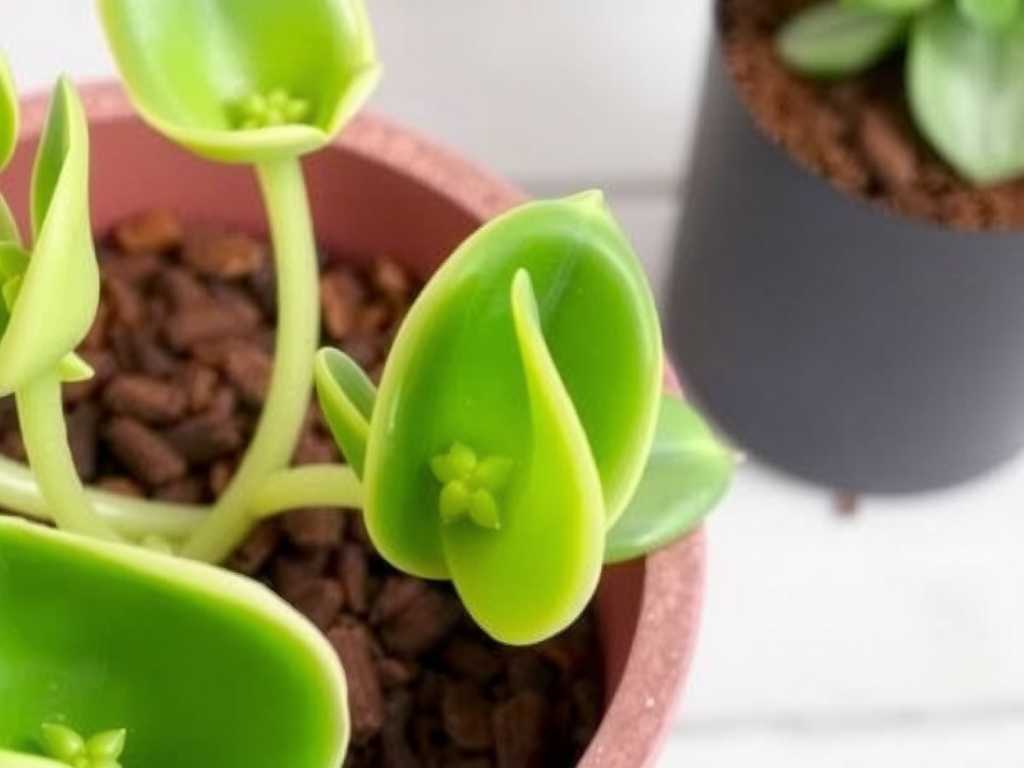
Why are my jade plant leaves curling and falling off? Curling and leaf drop are classic signs of stress, most commonly from overwatering and subsequent root rot (a fungal condition). The roots suffocate and die in soggy soil, unable to supply water to the leaves, which then curl, soften, and drop. Immediate action to dry out the soil, check roots, and apply the fixes above is required.
Can a jade plant recover from leaf curl? Yes, absolutely. Jade plants are remarkably resilient. Once you remove the infected parts, apply treatment, and—most importantly—correct the watering and environmental issues, the plant will focus its energy on new, healthy growth. The already curled leaves may not uncurl, but they will eventually be replaced by new, normal foliage over time.
How do I prevent fungus on my jade plant in the future? Prevention hinges on consistent care: use a well-draining pot and soil mix, water only when the soil is completely dry, provide ample bright light, and ensure good air circulation around the plant. Periodically checking your plant and isolating any new additions to your collection for a few weeks can also prevent introducing diseases.
Successfully treating a jade plant afflicted by fungal leaf curling requires a methodical, two-pronged approach: direct intervention against the fungus itself and a permanent adjustment to your care routine. By isolating the plant, pruning diseased growth, applying an appropriate antifungal treatment, and crucially, correcting overwatering and poor airflow, you create an environment where your jade can not only recover but thrive. Remember, the key to a healthy, curl-free jade plant is mimicking its preferred dry, bright, and breezy natural habitat. With patience and these focused fixes, you’ll see your resilient plant return to its glossy, robust glory.