bluename
 How to Revive jade plant from Fungal Damage: 4 Recovery Steps
Seeing your beloved jade plant, once a symbol of sturdy resilience, now struggling with unsightly spots, mushy stems, or sudden leaf drop is deeply concerning. Fungal damage can strike quickly, turning a thriving succulent into a wilting specimen. But don't lose hope. With prompt and correct action, you can learn how to revive jade plant from fungal damage and restore its health. This guide provides a clear, step-by-step recovery plan based on proven horticultural practices.
The key to success lies in early diagnosis and understanding the enemy. Fungal issues, often stemming from excess moisture and poor air circulation, manifest in specific ways. By following these four critical recovery steps, you give your plant the best chance at a full comeback.
Step 1: Accurate Diagnosis and Immediate Isolation
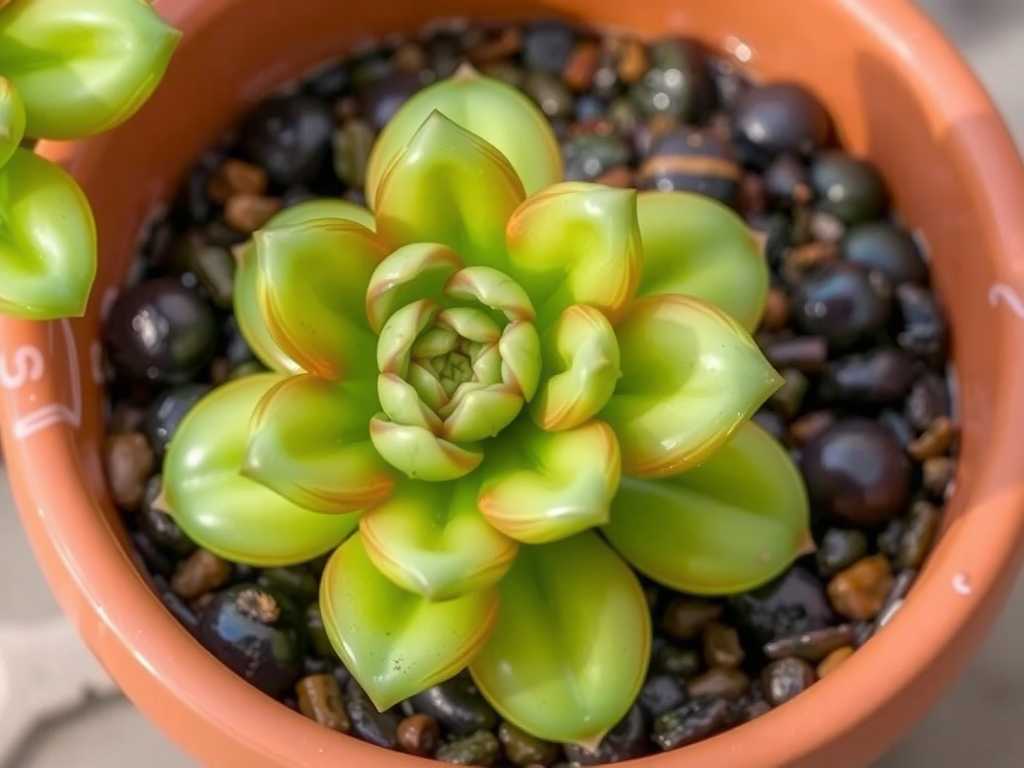
Before treatment, you must confirm the problem is fungal and identify its type. This ensures you don't mistake other issues, like overwatering damage or bacterial infection, for a fungal disease.
Identify Common Fungal Culprits Look for these telltale signs on your jade plant:
- Powdery Mildew: Appears as white, powdery spots on leaves and stems. It thrives in humid conditions with poor air flow.
- Stem or Root Rot: Caused by fungi like Phytophthora or Fusarium. Symptoms include black or brown mushy spots at the base of the stem, wilting that doesn't improve with watering, and leaves that turn yellow and fall off easily. A foul smell from the soil is a strong indicator.
- Leaf Spot Diseases: Present as circular brown or black spots on the leaves, sometimes with a yellow halo.
Quarantine Your Plant As soon as you suspect fungal damage, isolate the affected jade plant from your other houseplants. Fungi spread via airborne spores or through contaminated water and tools. Placing it in a separate room prevents a full-scale outbreak in your plant collection.
Step 2: Surgical Intervention and Cleaning
This step involves physically removing the infected parts to stop the disease's spread. Think of it as necessary surgery for your plant's survival.
Prune Infected Areas with Precision Using sterilized, sharp pruning shears or scissors, carefully cut away all affected tissue. Sterilize your tools with rubbing alcohol or a bleach solution between each cut to avoid cross-contamination.
- For leaf spots, remove the entire affected leaf.
- For stem rot, cut well above the visibly mushy, discolored area until you see only clean, healthy, green or white tissue inside the stem. You may need to cut back significantly.
- For severe root rot, you will need to unpot the plant, gently wash the roots, and snip away any brown, slimy, or brittle roots, preserving only the firm, white ones.
Treat the Wounds After pruning, allow the cut surfaces to dry and callous over in a warm, dry spot with good air circulation for a day or two. You can dust the cuts with a sprinkle of cinnamon, a natural antifungal, or sulfur powder to protect the open wound from further infection.
Step 3: The Fresh Start - Repotting and Soil Strategy
Fungal pathogens live in the soil. Reusing old, contaminated soil is a guaranteed way to relapse. A fresh start is non-negotiable.
Choose the Right Pot and Mix Select a clean pot with excellent drainage holes. If reusing an old pot, scrub it thoroughly with soap and a 10% bleach solution. The new soil must be a fast-draining, sterile succulent or cactus mix. Experts at the University of California's Integrated Pest Management program emphasize the importance of well-draining media for preventing root diseases in succulents. You can further improve drainage by adding perlite or pumice to the commercial mix.
Repot with Care Gently place your pruned jade plant in the new pot. Fill around it with the fresh, dry soil mix. Do not water immediately. This crucial drying period allows any remaining root wounds to heal, preventing new fungi from gaining entry.
Step 4: Optimized Aftercare for Recovery
Post-operative care determines whether your jade plant thrives or merely survives. The goal is to create an environment where fungi cannot thrive.
Master the Watering Technique Overwatering is the primary cause of fungal issues. Your revived jade plant's watering needs have changed.
- Water Deeply, But Infrequently: After the initial 5-7 day dry period post-repotting, give it a thorough soak. Then, allow the soil to dry out completely—all the way to the bottom of the pot—before watering again. Stick your finger into the soil to check.
- Avoid Leaf Moisture: Water the soil directly, not the leaves. Wet foliage invites fungal spores to germinate.
Provide Ideal Environmental Conditions Place your recovering plant in a location with:
- Bright, Indirect Light: 4-6 hours of sunlight is ideal for strengthening the plant.
- Excellent Air Circulation: A gentle breeze from a fan or an open window helps keep the foliage dry and discourages fungal growth.
- Low Humidity: Jade plants prefer dry air. Avoid placing them in steamy bathrooms or humid kitchens during recovery.
When to Consider Fungicides For persistent or severe cases, a fungicide may be necessary. Use a product labeled for use on succulents against powdery mildew or root rot. Copper-based fungicides or neem oil can be options for foliar issues. Always follow the label instructions precisely. For root rot, a systemic fungicide applied during watering can be more effective.
How can I tell if my jade plant has root rot or is just underwatered? Both can cause wilting and leaf drop, but the key difference is the leaves and stems. Underwatered jade leaves become wrinkled, thin, and dry, and the stems remain firm. With root rot, leaves often turn yellow and feel mushy or waterlogged, and the stem base becomes soft and discolored. The soil may also have a sour smell.
Can a jade plant recover from severe stem rot? Yes, it can, even if you have to cut away most of the stem and roots. If you have a healthy top section after pruning, you can let it callous and then re-root it in fresh, dry succulent soil. Essentially, you are propagating a new plant from the saved cutting. Ensure the cutting has at least a few leaves to support itself during rooting.
How do I prevent fungal damage from coming back? Prevention hinges on cultural care. Use a pot with drainage holes and a well-draining soil mix. Water only when the soil is completely dry. Provide plenty of bright light and good air circulation around your plant. Avoid splashing water on the leaves and clean up any fallen debris from the soil surface promptly.
Reviving a jade plant from fungal damage requires a methodical approach: diagnose accurately, remove infected parts decisively, repot in sterile soil without delay, and commit to a disciplined aftercare routine focused on dry conditions. Your jade plant's inherent toughness, combined with your informed intervention, makes a full recovery not just a possibility, but a likely outcome. Patience and consistent care will gradually restore its lush, vibrant appearance.