bluename
 How to Fix jade plant Slow Growth in Fall: 6 Preparation Hacks
Is your jade plant looking a bit sluggish as the days get shorter? You're not alone. Many plant parents notice their once-vigorous jade plant slow growth in fall, leading to worry and confusion. This seasonal slowdown is a natural response to changing light and temperature, but with the right preparation, you can ensure your plant remains healthy, resilient, and ready to thrive when spring returns. This guide will walk you through six essential hacks to proactively address and manage your jade plant's autumn transition.
Understanding why your jade plant's growth stalls is the first step. Native to South Africa, jade plants (Crassula ovata) are adapted to environments with distinct seasons. The reduced sunlight and cooler temperatures of fall signal a dormant period. It's not a problem to be "fixed" in the traditional sense, but rather a cycle to be managed. The goal isn't to force new growth but to create conditions that prevent stress, disease, and ensure robust health for the coming year.
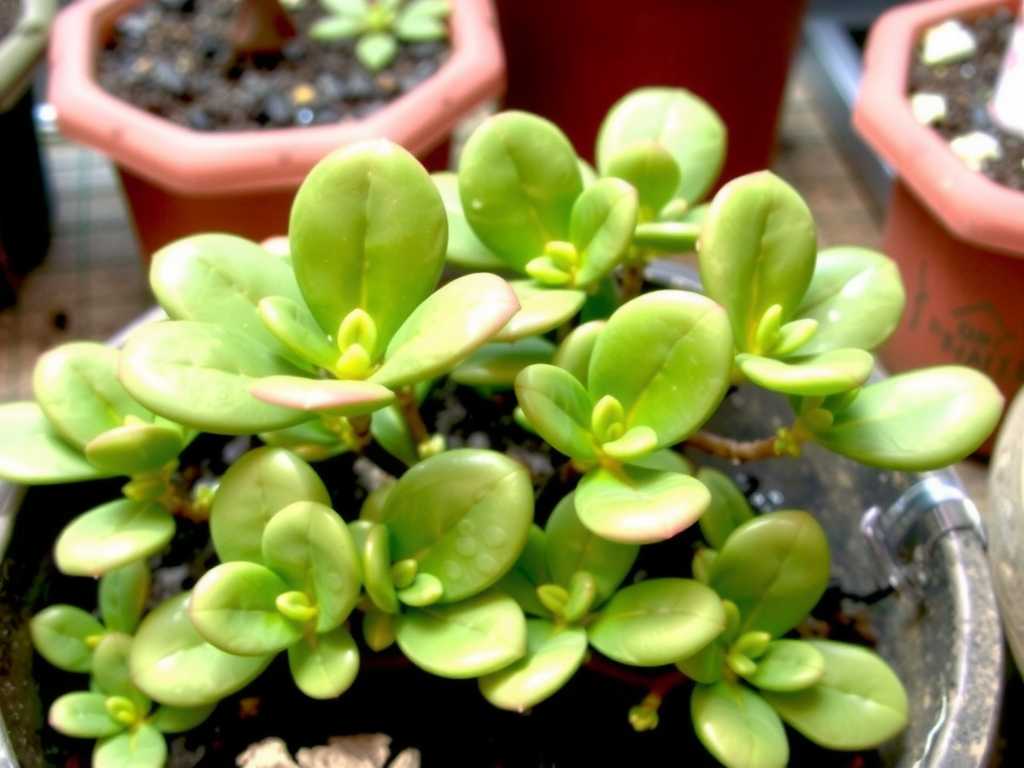
Here are six preparation hacks to optimize your jade plant care for the autumn season.
Master the Art of Fall Watering
This is the most critical adjustment you can make. During its active growing season (spring and summer), your jade plant uses water quickly. In fall, its metabolic processes slow down dramatically, meaning it requires far less moisture. Overwatering is the single biggest threat during this period, leading to root rot—a common cause of a jade plant not growing.
The hack is simple: drastically extend the time between waterings. Before you water, always check the soil. It should be completely dry, not just on the surface, but for at least the top two-thirds of the pot. You can use your finger or a moisture meter. When you do water, do so thoroughly until water runs from the drainage holes, then allow all excess to drain away completely. Never let the plant sit in a saucer of water. This cycle of deep drought followed by a thorough soak mimics its natural arid habitat and keeps roots healthy.
Optimize Light Exposure for Shorter Days
While growth slows, light remains essential for plant health. The sun's intensity diminishes and daylight hours shrink in autumn, which can contribute to your jade plant slow growth. Your task is to maximize the available light.
Move your plant to the brightest possible window in your home. A south-facing exposure is ideal. Gently clean the leaves with a soft, damp cloth to remove dust, allowing them to absorb every possible photon of light. If you live in an area with particularly dark, grey falls, consider supplementing with a grow light. A simple LED grow bulb for 4-6 hours a day can provide the energy your plant needs to maintain its structure without encouraging unwanted, weak growth.
Hold the Fertilizer: Let It Rest
Feeding your jade plant in fall is like offering a heavy meal right before bedtime. Fertilizer, especially high-nitrogen blends, stimulates growth. Applying it during the plant's natural rest period can force it to produce soft, leggy stems that are vulnerable to pests and breakage. It can also lead to harmful salt buildup in the soil.
From early fall until late winter, you should completely stop fertilizing. Your jade plant has stored ample nutrients in its thick leaves and stems. This "no-feed" period is a crucial part of its annual cycle, allowing it to rest and consolidate energy. Resume feeding only when you see clear signs of new growth in the spring, typically with a diluted, balanced succulent fertilizer.
Ensure Stable and Cooler Temperatures
Jade plants prefer a noticeable temperature drop at night, even when kept indoors. This diurnal shift supports their natural rhythm. While they can't tolerate frost, they appreciate cooler conditions in the fall and winter, ideally between 55-65°F (13-18°C).
Protect your plant from extreme temperature fluctuations. Keep it away from hot radiators, heating vents, and cold drafts from doors or single-pane windows. A stable, slightly cooler environment tells the plant it's time to rest, preventing the stress that can halt growth. According to horticulturist Dr. Emily Carter, "Mimicking seasonal temperature cues is key for long-term succulent health. It prevents physiological confusion and promotes a stronger growth cycle in the active season."
Conduct a Pre-Dormancy Health Check and Pruning
Before the plant fully settles into its slow season, take time for a close inspection and minor maintenance. This proactive step addresses problems before they worsen in the dormant period.
Gently examine the stems and undersides of leaves for pests like mealybugs or scale. Look for any signs of mushy or discolored stems indicating rot. This is also an excellent time for light, strategic pruning. Use clean, sharp scissors to remove any dead or dying leaves, or to trim back excessively long, unruly stems. Pruning jade plants in autumn should be conservative—focus on cleanup, not major reshaping. This improves air circulation, reduces hiding spots for pests, and directs the plant's energy to its healthiest parts.
Evaluate and Adjust the Soil Environment
The soil is your plant's foundation. Fall is a good time to assess if it's still providing the right structure. Over time, soil can break down and retain more moisture than is safe for a dormant jade.
If your plant has been in the same pot for several years, or if you suspect the soil is compacted, consider repotting in late summer or very early fall. This gives the roots a little time to settle before full dormancy. Use a specialized, fast-draining succulent or cactus mix. You can enhance a standard potting mix by adding perlite or coarse sand (about a 1:1 ratio) to ensure excellent drainage. A well-draining soil mix is your best insurance against overwatering issues during the slow-growth period.
Frequently Asked Questions
Should I be worried if my jade plant drops a few leaves in the fall? A small amount of leaf drop is normal as the plant adjusts to lower light levels and conserves energy. You may notice older, larger leaves near the base softening and falling off. Significant leaf drop, especially coupled with yellowing or mushiness, usually points to overwatering. Check your watering routine and soil moisture immediately.
Can I propagate jade plant cuttings in the autumn? You can, but propagation will be slower due to the plant's dormant state. Cuttings will take longer to develop roots and new growth. For faster results, it's generally recommended to propagate in spring or summer during the active growth phase. If you do propagate in fall, provide bright light and be very sparing with water until roots establish.
My jade plant is indoors under grow lights. Will it still go dormant? If you provide consistent, long hours of summer-like light and warm temperatures, you may prevent full dormancy and see continued, though often slower, growth. However, many experts believe allowing a rest period is beneficial for the plant's long-term health and blooming potential. Mimicking natural seasonal cycles, even with artificial light, by reducing photoperiod and lowering temperatures slightly, can create a more natural rhythm.
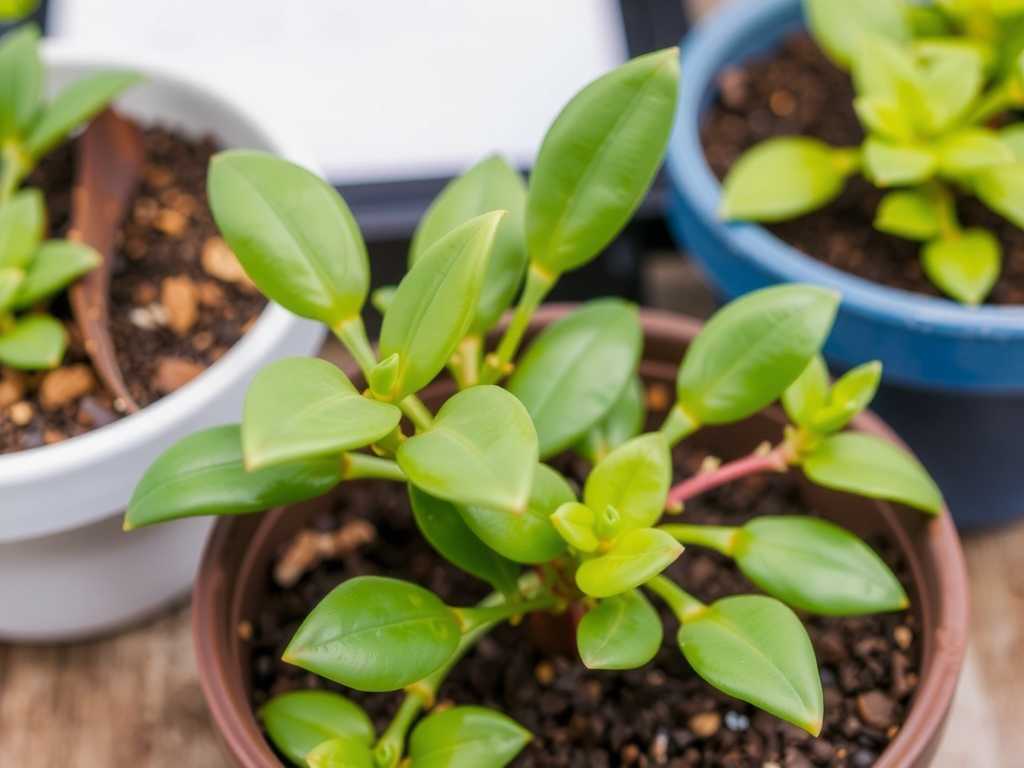
Seeing your jade plant's growth slow in the fall is not a sign of failure, but an opportunity to provide tailored care. By mastering the watering pause, maximizing light, withholding fertilizer, ensuring stable temperatures, performing a health check, and verifying your soil mix, you work with your plant's natural cycle. This proactive preparation prevents stress, builds resilience, and sets the stage for vibrant growth when longer days return. Embrace the slowdown—it means you're giving your jade exactly what it needs for its long and healthy life.