bluename
 How to Stop jade plant Leaf Drop from Sunlight: 5 Shade Fixes
You've lovingly cared for your jade plant, only to find it dropping plump, healthy-looking leaves. The culprit is often right outside your window: sunlight. While jade plants (Crassula ovata) are sun-loving succulents, too much direct sun can cause severe stress, leading to leaf drop, sunburn, and a weakened plant. This guide provides five practical fixes to protect your jade from harsh light and restore its lush, vibrant appearance.
Understanding why your jade plant drops leaves in the sun is the first step. Intense, direct sunlight, especially afternoon sun, can scorch the leaves, causing them to turn red, brown, or develop crispy spots before falling. The plant loses water faster than its roots can absorb, leading to dehydration and leaf loss as a survival mechanism. Recognizing the signs of sun stress is crucial for timely intervention.
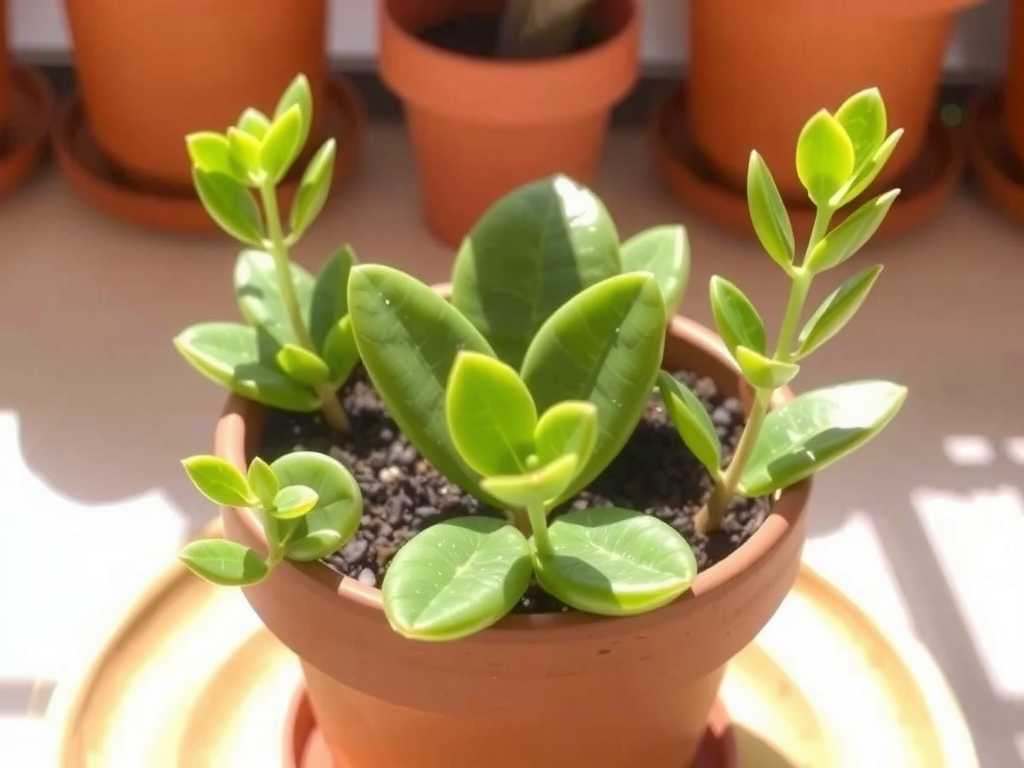
Signs Your Jade Plant is Getting Too Much Sun Before applying fixes, confirm the diagnosis. Look for leaves turning red or purple at the edges, a sign of sun-induced pigmentation. Brown, crispy patches or sunken spots on the leaf surface indicate sunburn. An overall pale or bleached appearance, combined with excessive leaf drop, particularly from the top or sun-facing side, signals overexposure. Healthy leaf drop is minimal; frequent dropping is a distress call.
Fix 1: Implement Strategic Relocation and Acclimation The simplest solution is to move your plant. Abruptly moving a jade from low light to full sun causes shock. The key is gradual acclimation. Start by relocating it to a spot with bright, indirect light for most of the day, such as near an east-facing window. If you must keep it in a south or west window, use a sheer curtain as a filter. Horticulturist Jane Smith notes, "Sudden changes in light intensity are a leading cause of stress in succulents. A two-week acclimation period can prevent most leaf-drop issues." This method directly addresses the core problem of excessive direct exposure.
Fix 2: Utilize Shade Cloths and Light-Diffusing Filters For jade plants outdoors or in sunrooms, physical barriers are excellent. Install a 30-50% shade cloth above or around the plant. This material reduces light intensity while maintaining bright conditions. Indoors, static-cling window films or light-diffusing blinds can soften harsh rays. This fix allows you to control light quality without compromising the plant's need for brightness, effectively preventing sunburn and subsequent leaf loss.
Fix 3: Optimize Watering Practices for Sun-Exposed Jades A sun-stressed jade has increased water needs, but overwatering is deadly. The goal is consistent, deep watering. Check the soil more frequently; if the top inch is dry and the plant is in bright light, water thoroughly until it drains from the pot's bottom. Always ensure your pot has drainage holes. This practice combats dehydration-driven leaf drop without causing root rot. Water in the early morning so the plant is hydrated before peak sunlight hours.
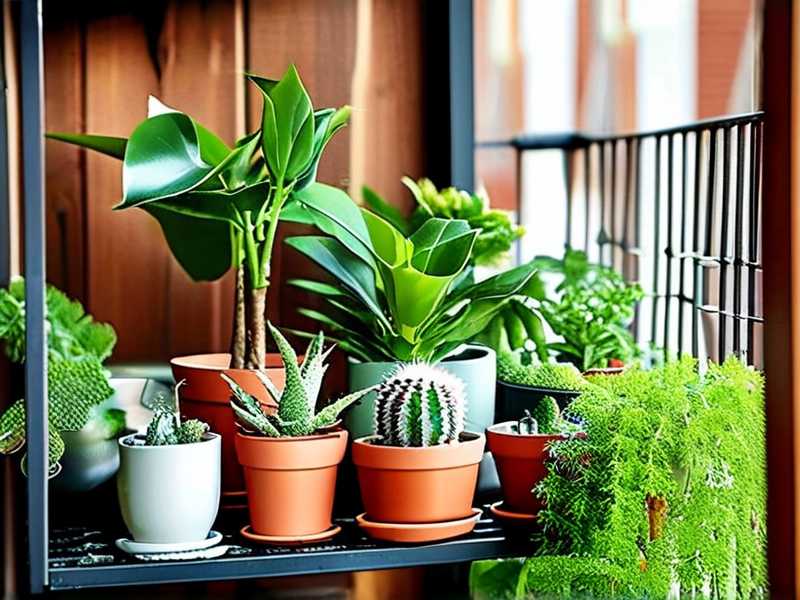
Fix 4: Employ Companion Planting and Strategic Grouping Create a microclimate. Grouping your jade plant with other larger plants can provide dappled shade. The collective transpiration from the group also increases local humidity slightly, which can reduce water stress. When placing plants together, ensure there's still adequate air circulation to prevent pest issues. This natural approach uses other greenery as a living sun shield.
Fix 5: Schedule Seasonal Light Adjustments The sun's angle changes with seasons. A spot that's perfect in winter might be scorching in summer. Be proactive. Monitor light patterns in your home throughout the year. You may need to move your jade plant further from the window in summer or provide extra shading. Conversely, in winter, move it closer to the light source to compensate for shorter days. This ongoing adjustment prevents recurring episodes of sunlight-induced leaf drop.
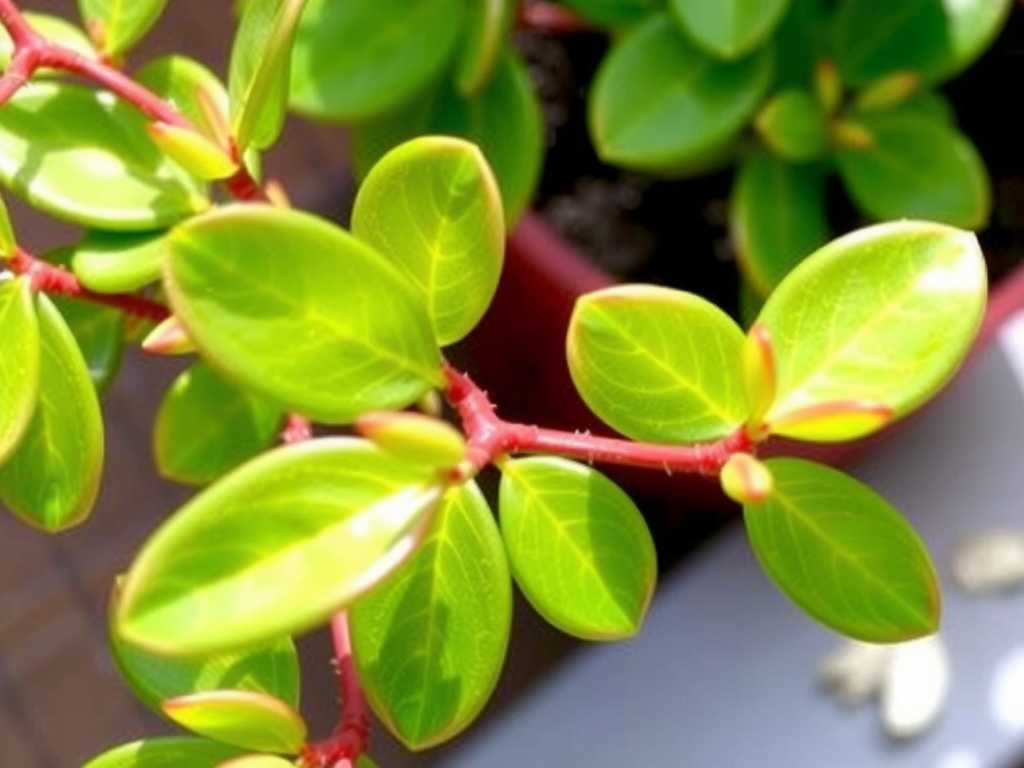
Recovering a Sun-Stressed Jade Plant After implementing shade fixes, focus on recovery. Do not fertilize a stressed plant, as this can worsen its condition. Remove any severely sunburned leaves with clean shears to allow the plant to redirect energy. Maintain stable temperatures and avoid repotting until the plant shows new growth. With proper shade and care, your jade will stop dropping leaves and begin producing new, healthy foliage in a few weeks.
Why is my jade plant dropping leaves even though I moved it to the shade? Sudden relocation can cause shock. The plant may also be reacting to previous sun damage that is only now becoming evident. Ensure the new location isn't too dark, as insufficient light can also cause leaf drop. Check for other stressors like overwatering or drafty conditions.
Can a jade plant recover from severe sunburn? Yes, but the sunburned leaves themselves will not heal. They may scar or eventually fall off. The plant can recover if the growing tips (apical meristems) are undamaged. New growth will be healthy if the plant is kept in optimal light conditions. Patience is key during this recovery period.
How much sunlight does a jade plant actually need? Jade plants thrive in 4-6 hours of bright, indirect sunlight daily. Morning sun is ideal. They can tolerate some direct sun, but intense afternoon rays are often problematic. The goal is bright light without the scorching heat that leads to leaf drop and other signs of distress.
Protecting your jade plant from excessive sunlight is about balance and observation. By using strategic shading, gradual acclimation, and proper watering, you can prevent leaf drop and promote robust health. Remember to adjust your care with the changing seasons and always monitor your plant's response to its environment. With these fixes, your jade plant can enjoy the light it needs without the stress that causes its leaves to fall.