bluename
 How to Eliminate jade plant Scale Insects Fast: 3 Quick-Remedy Hacks
Discovering a sticky, waxy substance or strange brown bumps on your beloved jade plant can be alarming. These are classic signs of a scale insect infestation, a common but destructive pest that saps the vitality from your succulent. If left unchecked, these tiny invaders can weaken your plant, stunt its growth, and even lead to its demise. The good news is that you don't have to lose your plant to these pests. Learning how to eliminate jade plant scale insects fast is crucial for any plant owner facing this issue. This guide provides three proven, quick-remedy hacks to reclaim your plant's health swiftly and effectively.
Understanding your enemy is the first step to victory. Scale insects are sneaky. They don’t look like typical bugs; instead, they appear as immobile, shell-like bumps on stems and the undersides of leaves. They protect themselves with a hard or soft shield while they pierce plant tissues and feed on sap. This feeding deprives the jade plant of essential nutrients and results in yellowing leaves, leaf drop, and a general decline. The honeydew they excrete creates a perfect environment for sooty mold, a black fungus that further stresses the plant by blocking sunlight.
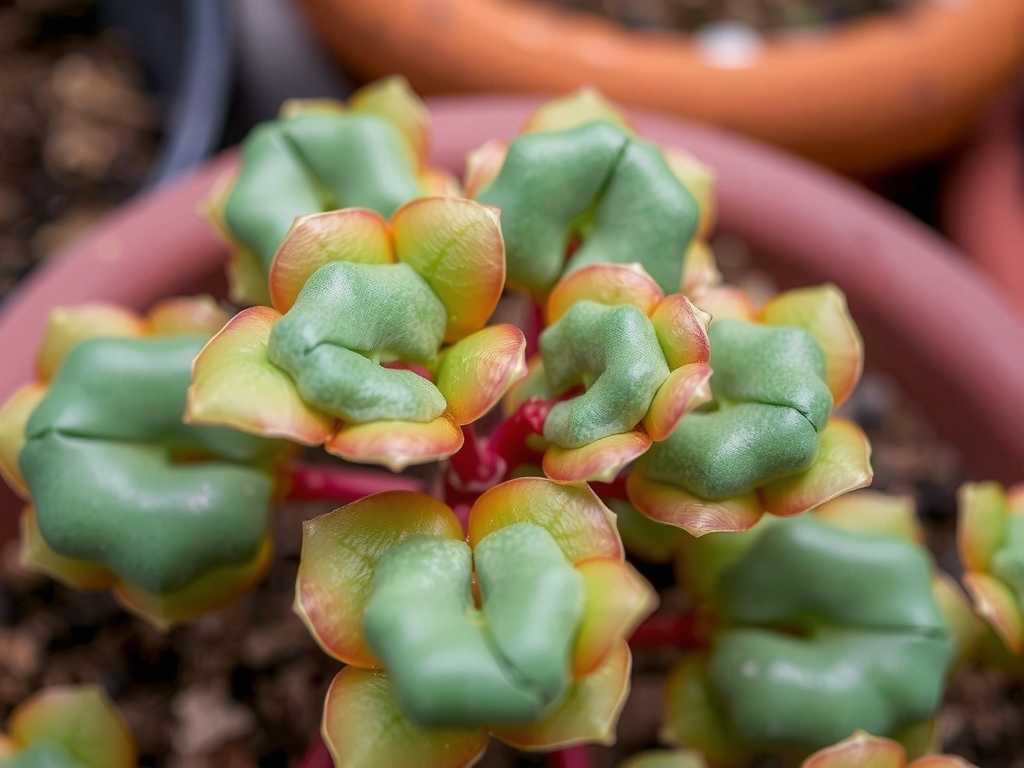
Before you begin treatment, isolate the affected jade plant immediately. Scale insects can spread to nearby houseplants. Place it in a separate area away from your other green friends. Gather your supplies: cotton swabs, a soft-bristled brush (like a toothbrush), rubbing alcohol (isopropyl alcohol, 70%), mild liquid soap, neem oil, and a spray bottle.
Hack 1: The Immediate Alcohol Swab Intervention
For a light to moderate infestation where you can see individual scale bumps, this hands-on method is the fastest way to kill pests on contact. It’s precise and highly effective for visible insects.
First, prepare your solution. Dip a cotton swab or a small piece of soft cloth into 70% isopropyl rubbing alcohol. You don’t need to soak it—just make it damp. Gently dab each scale insect you see. You will notice them change color almost immediately, usually to a brownish hue, indicating they are dying. The alcohol dissolves the insect’s waxy coating and dehydrates it.
Pay special attention to the undersides of leaves, leaf axils (where the leaf meets the stem), and along the stems. These are their favorite hiding spots. For clusters in tight spaces, use a soft-bristled brush dipped lightly in alcohol to scrub them away gently. After treatment, let the plant sit for an hour, then wipe the areas with a clean, damp cloth to remove any residual alcohol and dead scales. Repeat this process every 3-4 days for two weeks to catch any newly hatched crawlers, which are the mobile juvenile stage, before they form their protective shells.
Hack 2: The Soap and Oil Smothering Spray
When the infestation is more widespread, a spray treatment is necessary. This hack works by suffocating the scale insects and disrupting their cell membranes. According to entomologist Dr. Sarah Browning from the University of Nebraska Extension, "Insecticidal soaps are effective against soft-bodied pests like scale crawlers and young adults because they penetrate the insect's outer layer."
Create your own effective spray. Mix 1.5 teaspoons of a mild, pure liquid Castile soap (avoid degreasers or harsh detergents) with 1 quart of lukewarm water in a spray bottle. For added potency, incorporate 1 teaspoon of cold-pressed neem oil, a natural insecticide that also disrupts the pest's life cycle. Shake the mixture vigorously to emulsify the oil.
Thoroughly spray your jade plant, ensuring you drench all surfaces—tops and bottoms of leaves, every stem, and the soil surface. The solution must make direct contact with the scale insects to work. The soap breaks down their protective coating, while the oil smothers them. Let the spray sit on the plant for about 45 minutes to an hour. This is a critical step for the solution to work fully.
After the waiting period, you must rinse the plant. Residue can clog the jade plant’s pores. Use lukewarm water in a sink or shower to gently wash off all the soap and oil mixture. Allow the plant to drain and dry completely before returning it to its sunny spot. Apply this spray treatment once a week for three to four weeks to break the life cycle.
Hack 3: The Systemic Soil Drench for Persistent Infestations
For severe, recurring, or hard-to-reach infestations, a systemic approach targets the problem from the inside out. This method is considered a powerful solution for getting rid of scale on jade plants that resist topical treatments. A systemic insecticide is absorbed by the plant's roots and transported throughout its vascular system. When scale insects feed on the sap, they ingest the insecticide and die.
Select a product labeled for use on houseplants and effective against sucking insects like scale. Imidacloprid is a common active ingredient found in many ready-to-use systemic houseplant granules or liquid drenches. Always read and follow the product label instructions precisely regarding dosage and safety.
Apply the systemic treatment directly to the soil as directed, typically by mixing a liquid concentrate with water and watering the plant as normal. The plant will do the work from there, distributing the insecticide internally. This method provides long-lasting protection, often for several weeks or months, and is particularly useful for treating large, woody-stemmed jade plants where sprays cannot penetrate dense foliage.
It is vital to note that systemic insecticides should be used as a last resort indoors, especially if you have pets that chew on plants. Always place the treated plant in a secure, well-ventilated area away from children and pets during the treatment period.
Prevention: The Ultimate Hack
Winning the battle is only half the war. Preventing future infestations is key to maintaining a scale-free jade plant care routine. Regularly inspect your jade plant and all your houseplants, especially when watering. Look under leaves and along new growth. Quarantine any new plant for at least two weeks before introducing it to your collection. Ensure your jade plant receives plenty of bright, indirect light and is watered appropriately (allowing the soil to dry completely between waterings). A healthy, stress-free plant is naturally more resistant to pest invasions. Wiping leaves periodically with a damp cloth not only keeps them dust-free but also removes early-stage pests.
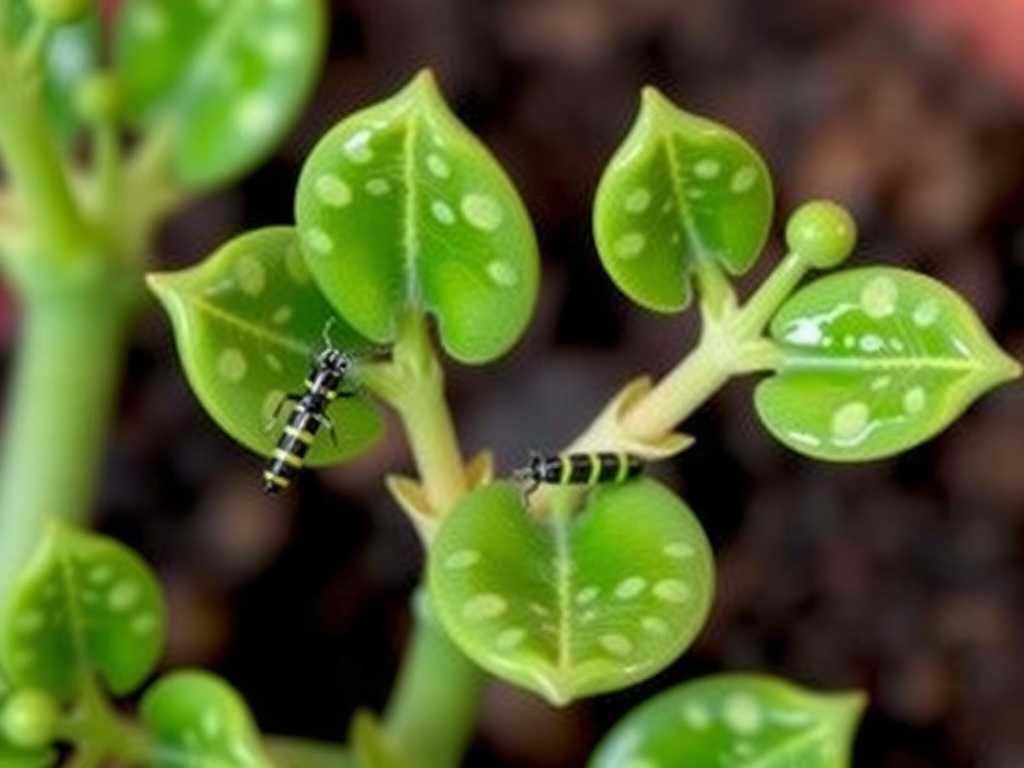
My jade plant has sticky leaves, but I don't see any bugs. What is it? The sticky residue, called honeydew, is a telltale sign of sap-sucking pests like scale. The insects themselves are masters of camouflage. Look closely for tiny, flat, brown or tan bumps that seem attached to the stems or leaf veins. The stickiness often appears before the pests become visibly obvious.
Are scale insects on jade plants contagious to other plants? Yes, absolutely. Scale crawlers are mobile and can easily drift to nearby plants on air currents or be transferred via physical contact. This is why immediate isolation of the infested plant is the very first step you should take.
I’ve treated my plant, but the scale keeps coming back. Why? Scale insects have a protective shell that makes them resilient. The most common reason for recurrence is not breaking their life cycle. Adult scales are tough, but their crawler stage is vulnerable. Consistent, repeated treatment over 3-4 weeks is essential to kill each new generation as it hatches. Ensure you are also treating every single part of the plant, as missing even a few insects can restart the infestation.
Dealing with scale insects requires patience and consistency, but it is a winnable fight. By starting with the immediate precision of an alcohol swab, escalating to a thorough soap-and-oil spray, or employing a systemic treatment for tough cases, you have a clear roadmap to success. The key is early detection, immediate action, and persistent follow-up. With these quick-remedy hacks, you can eliminate the current threat and implement a vigilant care routine to ensure your jade plant remains healthy, thriving, and free from these pesky invaders for years to come.