bluename
 How to Fix jade plant Soft & Wilted Leaves: 4 Hydration Solutions
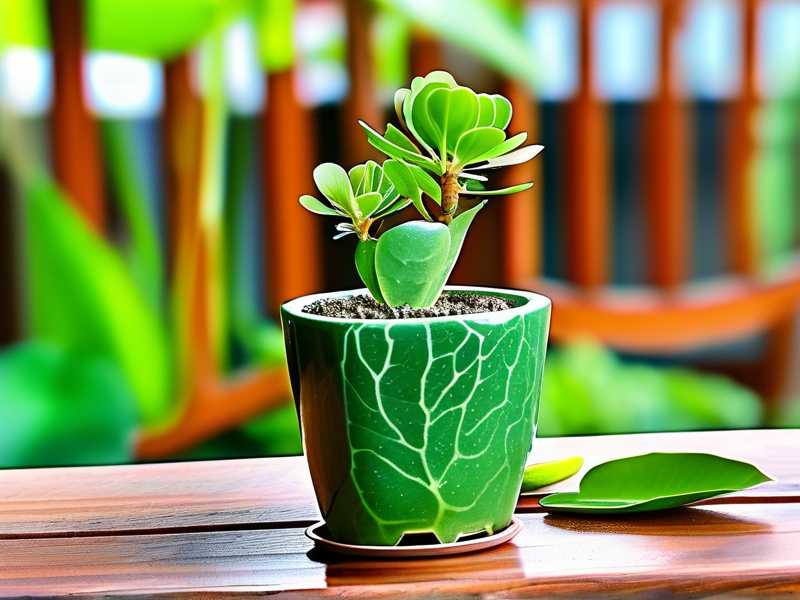
You’ve nurtured your jade plant for years, admiring its plump, glossy leaves. But one day, you notice a troubling change. The once firm, vibrant leaves have become soft, limp, and wilted. A wave of panic sets in. Is it dying? What went wrong? This is a common yet distressing scenario for many plant owners. The good news is that soft, wilted leaves on a Crassula ovata are often a clear distress signal related to water—but the cause isn’t always what you think. It’s a cry for help in the plant’s language, and understanding it is the first step to recovery. This guide will walk you through the four critical hydration solutions to diagnose and fix this issue, restoring your plant’s vigor and beauty.
Understanding Why Your Jade Plant Leaves Go Soft and Limp
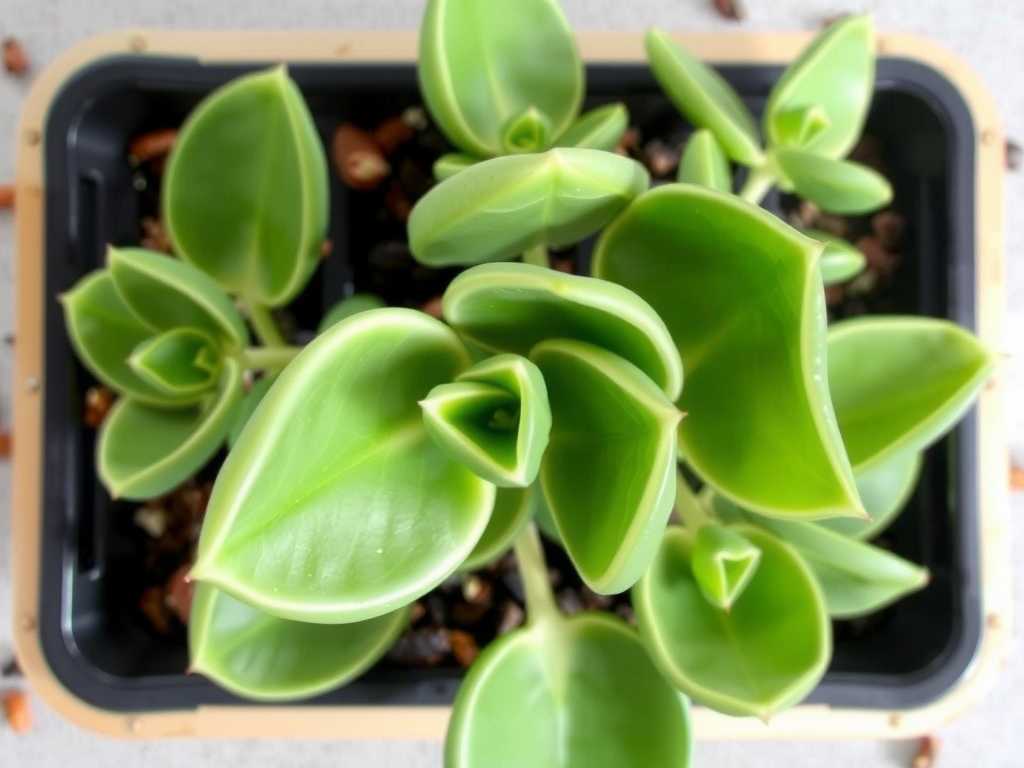
Before applying any fix, accurate diagnosis is crucial. Jade plants are succulents, storing water in their thick leaves and stems. Soft leaves typically indicate a problem with this internal water balance. The issue usually stems from one of two opposite extremes: too much water or not enough. However, the symptoms can look surprisingly similar, which is why many well-intentioned plant parents accidentally make the problem worse.
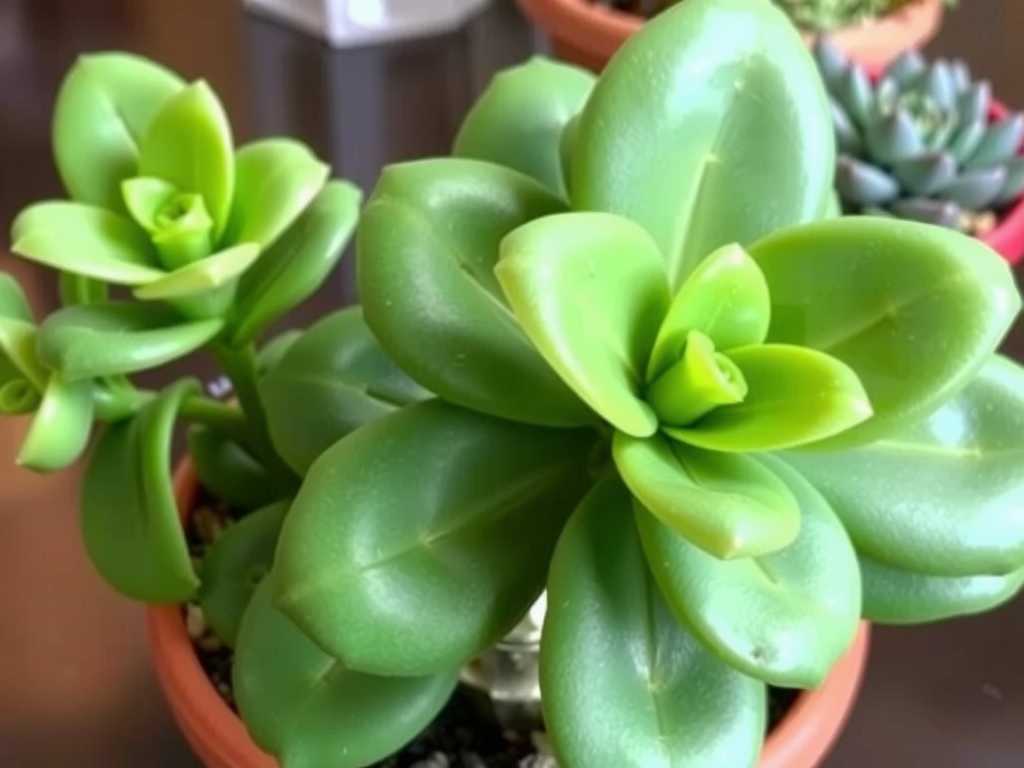
The primary cause is often overwatering and root rot. When the soil remains soggy for too long, the roots suffocate and begin to decay. These damaged roots can no longer absorb water or nutrients, causing the leaves—despite being surrounded by moisture—to become dehydrated and soft from the inside out. It’s a paradox: a plant drowning in water is actually dying of thirst because its roots are dead.
On the flip side, prolonged underwatering can also lead to soft, wrinkled leaves. A severely dehydrated jade plant will use up all the water reserves in its leaves, causing them to shrivel, soften, and droop. While this is less common than overwatering, it does happen, especially with plants placed in very hot, dry, or sunny spots.
Solution 1: Diagnose the Soil and Root System
Your first action should be a careful physical inspection. Do not water your plant on a schedule or based on the leaf symptom alone.
- Check the Soil Moisture: Insert your finger or a wooden chopstick 2-3 inches deep into the potting mix. If it feels damp, wet, or soil sticks to it, the plant does not need more water. If it’s bone dry throughout, underwatering is likely.
- Inspect the Roots (The Critical Step): For a plant with widespread soft leaves, gently remove it from its pot. Shake off the soil and examine the roots. Healthy jade plant roots are firm and white or light tan. Roots affected by rot will be dark brown or black, mushy, and may fall apart easily. They might also have a musty or unpleasant odor. According to horticulturist and author Jane Perrone, “Root rot is a silent killer. By the time you see symptoms above the soil, the damage below can be extensive. A root check is non-negotiable for diagnosis.”
This investigation will directly inform which of the following solutions you must employ.
Solution 2: The Corrective Action for Overwatering and Root Rot
If you discovered soggy soil and rotten roots, immediate intervention is required. This is the most common fix for a drooping jade plant.
- Stop Watering Immediately: Let the soil dry out completely if the rot is minimal and only a few leaves are affected.
- Prune the Rotten Roots: For advanced rot, use sterile scissors or pruners to cut away all soft, brown, or black roots. Be ruthless—only healthy, firm roots should remain.
- Treat with Fungicide (Optional but Recommended): Dust the remaining healthy roots with sulfur powder or a copper-based fungicide to prevent further fungal infection.
- Repot in Fresh, Dry Soil: Choose a pot with excellent drainage holes—terra cotta is ideal as it breathes. Use a fast-draining cactus and succulent soil mix. You can make your own by mixing 2 parts potting soil with 1 part perlite or coarse sand.
- The Waiting Game: Do not water the repotted plant for at least a week. This allows any damaged roots to callous over and prevents immediate re-rot. Place it in bright, indirect light and resist the urge to water until the plant shows signs of recovery or the soil is completely dry.
Solution 3: The Strategic Rehydration Protocol for Underwatering
If your diagnosis points to severe dehydration (bone-dry soil, brittle roots), your plant needs a thorough but careful drink. The goal is to rehydrate without shocking the plant or causing rot in its weakened state.
- Use the Bottom-Watering Technique: This is the most effective method to revive a wilted jade plant suffering from drought. Place the entire pot in a sink or basin filled with 2-3 inches of lukewarm water. Let the pot sit for 30-45 minutes, allowing the soil to wick moisture up from the drainage holes until the top layer feels damp.
- Drain Thoroughly: After soaking, remove the pot from the water and let it drain completely in the sink for another 30 minutes. Never let the plant sit in a saucer of standing water.
- Observe the Recovery: A properly rehydrated jade plant will show improvement within a few days to a week. The leaves should gradually plump up and regain firmness. Do not water again until the soil has fully dried out from this deep watering.
Solution 4: Optimize Your Long-Term Watering Routine and Environment
Fixing the immediate crisis is only half the battle. Preventing recurrence requires optimizing your care habits. The golden rule for jade plants is: “When in doubt, wait it out.”
- Water Deeply, But Infrequently: Always water until excess flows freely from the drainage holes. Then, allow the potting mix to dry out almost completely between waterings. In winter, when growth slows, watering may only be needed once a month or less.
- Prioritize Pot and Soil: Ensure your pot has drainage holes. A well-draining succulent mix is non-negotiable for preventing waterlogged soil.
- Provide Ample Light: A jade plant in bright, indirect light (4-6 hours daily) will use water more efficiently and grow compactly, reducing the risk of issues. Insufficient light leads to slower water use and soggy soil.
- Seasonal Adjustments: Be especially cautious with watering during cool, cloudy months. Increase vigilance during hot, dry, sunny periods.
Frequently Asked Questions
Can a jade plant recover from soft leaves? Yes, absolutely. Jade plants are remarkably resilient. Leaves that are slightly soft may firm up with corrected care. However, leaves that have turned yellow, translucent, or mushy will not recover and should be gently plucked off. The plant’s energy will then focus on growing new, healthy foliage.
How long does it take for an overwatered jade plant to recover? Recovery time varies with the severity of the root damage. A plant with minor overwatering may perk up in 1-2 weeks after the soil dries. A plant that required root surgery and repotting may take 1-2 months to show significant new growth. Patience is key during this period of root regeneration.
Should I mist my jade plant to increase humidity? No, misting is not recommended for jade plants. They thrive in average household humidity and are adapted to dry air. Misting the leaves can lead to fungal diseases and does not address the root cause of hydration issues, which is soil moisture. Focus your efforts on a proper deep-watering routine at the root level instead.
Seeing your jade plant with soft, wilted leaves is undoubtedly worrying, but it’s a solvable problem. The journey back to health always starts with a careful diagnosis of the soil and roots—the hidden key to the issue. Whether you implement an emergency repot to combat root rot or employ the gentle bottom-watering technique for a parched plant, the solutions hinge on understanding your plant’s actual needs rather than following a rigid calendar. By adopting a “soak and dry” approach and providing a well-draining home, you’ll build a resilient jade plant that stores water perfectly in its lush, firm leaves, preventing future episodes of wilting and ensuring it thrives for decades to come.