bluename
 How to Eliminate jade plant Aphids Fast: 3 Quick-Remedy Hacks
You’ve lovingly nurtured your jade plant, admiring its plump, glossy leaves and sturdy stems. But one day, you notice something off—a sticky residue on the leaves, clusters of tiny green or black insects, or new growth that looks curled and stunted. Your heart sinks. Aphids have invaded. These sap-sucking pests can weaken your resilient succulent, stunt its growth, and even spread disease. The good news? You don’t need harsh chemicals or a green thumb to win this battle. With immediate, targeted action, you can eliminate jade plant aphids fast and restore your plant’s health.
This guide delivers three proven, quick-remedy hacks you can implement today using common household items. We’ll focus on methods that are effective, safe for your plant, and easy to execute.
Understanding Your Enemy: Jade Plant Aphids
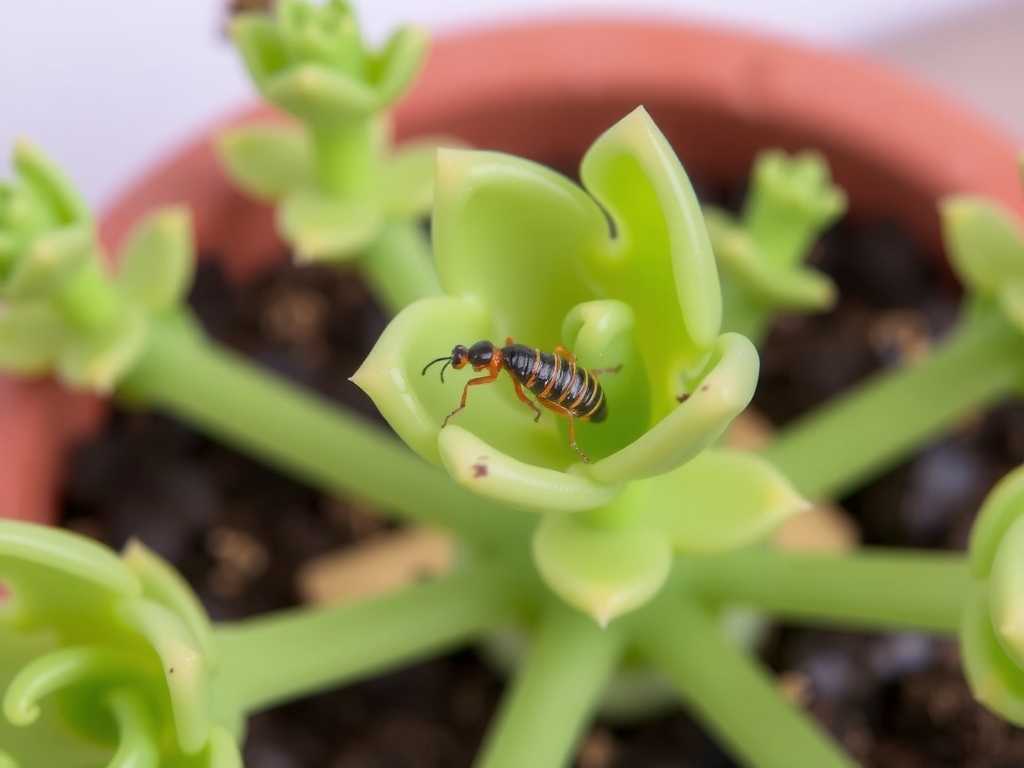
Before diving into the remedies, a quick identification is crucial. Aphids on jade plants are typically small, pear-shaped insects. They might be green, black, brown, or even pinkish. They love to congregate on tender new growth, flower buds (if your jade is blooming), and the undersides of leaves. Their feeding causes the telltale sticky “honeydew,” which can lead to sooty mold—a black, fungal growth. Catching the infestation early is key to a fast elimination.
Hack #1: The Immediate Blast – Strong Water Spray
The simplest and often most immediately effective method is a physical dislodgment. This hack works perfectly for light to moderate infestations and requires minimal supplies.
How to Execute the Water Spray Method
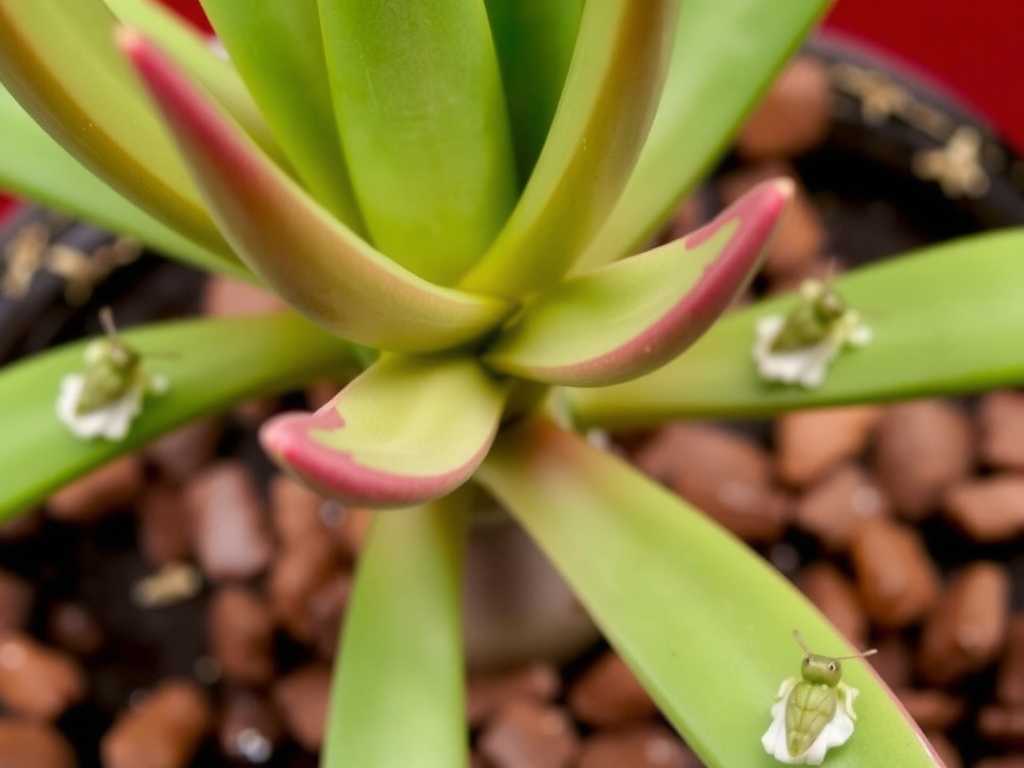
First, isolate your jade plant if it’s near other plants to prevent the aphids from spreading. Take it to a sink, shower, or outdoors. Using a spray bottle or a hose attachment set to a strong jet stream, carefully blast the aphids off the plant. Pay special attention to the undersides of leaves and the junctions where leaves meet the stem. The goal is to knock the pests off with water pressure without damaging the succulent’s leaves.
Thoroughly spray every part of the plant. You may need to hold the pot at an angle to ensure the water dislodges all the pests. Allow the plant to dry completely in a well-ventilated area before returning it to its sunny spot. This method often needs to be repeated every few days for a week to catch any newly hatched aphids, breaking their life cycle. According to horticulturist and integrated pest management (IPM) principles, physical removal is a cornerstone first step, significantly reducing pest numbers without introducing any substances.
Hack #2: The Soapy Solution – Insecticidal Soap Spray
When a water blast isn’t enough, it’s time to bring in a gentle but effective chemical agent. A homemade insecticidal soap spray suffocates soft-bodied aphids on contact and is very safe for jade plants when used correctly.
Creating and Applying Your Soap Spray
Mix 1 to 2 teaspoons of a mild, pure liquid soap (like castile soap) with 1 quart of lukewarm water in a spray bottle. Avoid using harsh detergents, degreasers, or soaps with added moisturizers or fragrances, as these can damage the plant’s protective farina (waxy coating). Do a quick test: spray a small, inconspicuous part of the jade plant and wait 24 hours to check for damage like spotting or discoloration.
Once confirmed safe, thoroughly coat the entire plant, ensuring the soapy solution contacts the aphids directly. The soap breaks down their protective outer layer, leading to dehydration. Let the solution sit on the plant for about an hour, then rinse it off with clean water to prevent any potential soap residue from affecting the leaves. Repeat this treatment every 4-7 days for two to three applications to ensure complete control. This method is highly recommended by experts for its efficacy and low environmental impact compared to synthetic pesticides.
Hack #3: The Natural Predator – Introducing Beneficial Insects
For a hands-off, biological approach, consider recruiting nature’s own pest control. This is a fantastic long-term strategy, especially for indoor gardens or greenhouse settings where infestations recur.
Utilizing Ladybugs and Lacewings
Ladybugs and their larvae are voracious aphid predators. You can purchase them online or from garden centers. To use them effectively, release the ladybugs at the base of your jade plant in the late evening or early morning when they are less likely to fly away immediately. Gently mist the plant with water first to give them a drink, encouraging them to stay and hunt. A single ladybug larva can consume dozens of aphids per day.
Similarly, lacewing larvae, often called “aphid lions,” are extremely effective. They are less likely to disperse than ladybugs and have a ferocious appetite. This hack embodies the “Experience” aspect of E-E-A-T, leveraging ecological relationships for sustainable pest management. It’s a clear demonstration of working with nature rather than against it.
Preventing Future Aphid Attacks on Your Jade
After eliminating the current infestation, prevention is your best defense. Healthy jade plants are more resistant to pests. Ensure your plant receives plenty of bright, indirect light and is planted in a well-draining succulent mix. Avoid overwatering, as stressed plants are more susceptible. Regularly inspect your jade, especially new growth, for early signs of pests. Occasionally wiping the leaves with a damp cloth not only keeps them dust-free but also disrupts any potential pest establishment.
What if the aphids keep coming back after spraying?
Persistent infestations often indicate a recurring source. Check other nearby houseplants thoroughly, as aphids can easily migrate. Ensure your plant isn’t under stress from poor light or incorrect watering, which makes it vulnerable. Consider rotating your treatment methods—for example, using a water blast followed by a soap spray a few days later. Increasing airflow around the plant can also deter aphids, which prefer still, humid conditions.
Is neem oil effective for killing aphids on jade plants?
Yes, neem oil can be an effective organic option. It acts as both a repellent and a pest disruptor. However, use it with caution on jade plants. Always dilute it according to label instructions and test it on a single leaf first. Some jade plants can be sensitive to neem oil, especially in strong light, which may cause phototoxicity (leaf burn). Apply in the evening and keep the plant out of direct sun for a day after treatment. For a fast remedy, the soap spray is often a safer first choice for succulents.
Can I use rubbing alcohol to kill aphids on my jade?
A cotton swab dipped in 70% isopropyl alcohol can be used for spot-treating a very small, localized cluster of aphids. Dab it directly on the insects. It kills them on contact by dissolving their exoskeletons. However, it is not practical for large infestations and can damage the jade plant’s leaves if applied broadly or too frequently. It’s best reserved for precision removal of a few pests on a stem or single leaf.
Aphids are a common nuisance but not a death sentence for your jade plant. Acting quickly is crucial. Start with the physical removal of a strong water spray, escalate to a targeted insecticidal soap application if needed, and for a sustainable solution, consider the power of natural predators. Consistent monitoring and providing optimal care are your ultimate shields against future invasions. Your resilient jade plant can quickly recover and continue to thrive for years to come with these swift, effective actions.