bluename
 How to Fix jade plant Leaf Yellowing from Humidity: 5 Moisture Fixes
You’ve nurtured your jade plant for years, admiring its plump, emerald-green leaves. Then, you notice it—a subtle yellow tinge creeping in from the edges, turning vibrant leaves pale and sickly. Before you panic about overwatering or pests, consider a silent, often-overlooked culprit: humidity. While jade plants (Crassula ovata) are famed for their drought tolerance, improper moisture in the air can trigger this exact distress signal. Understanding and fixing jade plant leaf yellowing from humidity is key to restoring its succulent glory.
This guide will walk you through five targeted fixes to combat moisture-related stress. We’ll move beyond guesswork to provide clear, actionable steps that address the root cause, not just the symptoms.
Why Does Humidity Cause Jade Plant Leaves to Turn Yellow?
Jade plants are native to arid, rocky slopes in South Africa. They are evolutionarily designed to store water in their thick leaves and stems and thrive in dry conditions. When ambient humidity is consistently high, it disrupts their natural physiological processes.
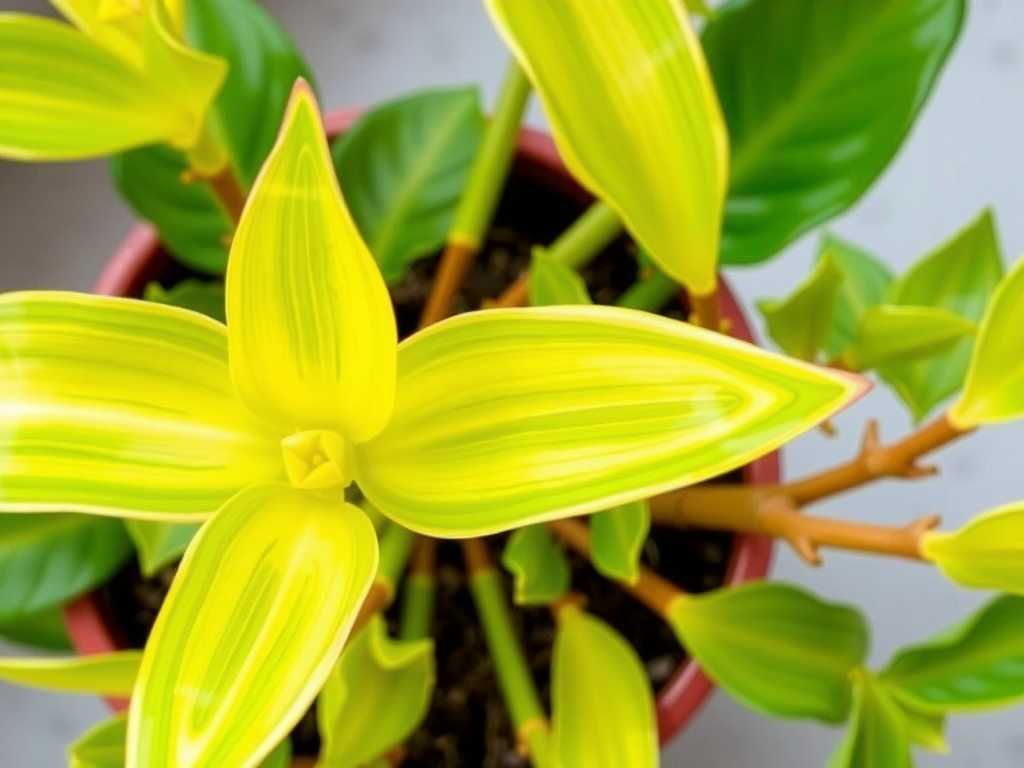
The primary issue is transpiration—the plant’s version of breathing. In high humidity, the air is already saturated with water vapor, slowing the rate at which moisture evaporates from the leaves. This slowdown backs up the plant’s internal water transport system. Roots continue to draw up water from the soil, but the leaves can’t release it efficiently. The result is a condition akin to internal waterlogging. Cells become overfilled, chlorophyll breaks down, and the leaves start to yellow, often becoming soft or mushy before potentially falling off. It’s a clear sign of environmental stress.
Conversely, very low humidity in heated homes can sometimes cause leaf shriveling, but yellowing is far more commonly a sign of excessive ambient moisture or its partner in crime: overwatering in a humid environment.
5 Proven Fixes for Humidity-Induced Yellowing
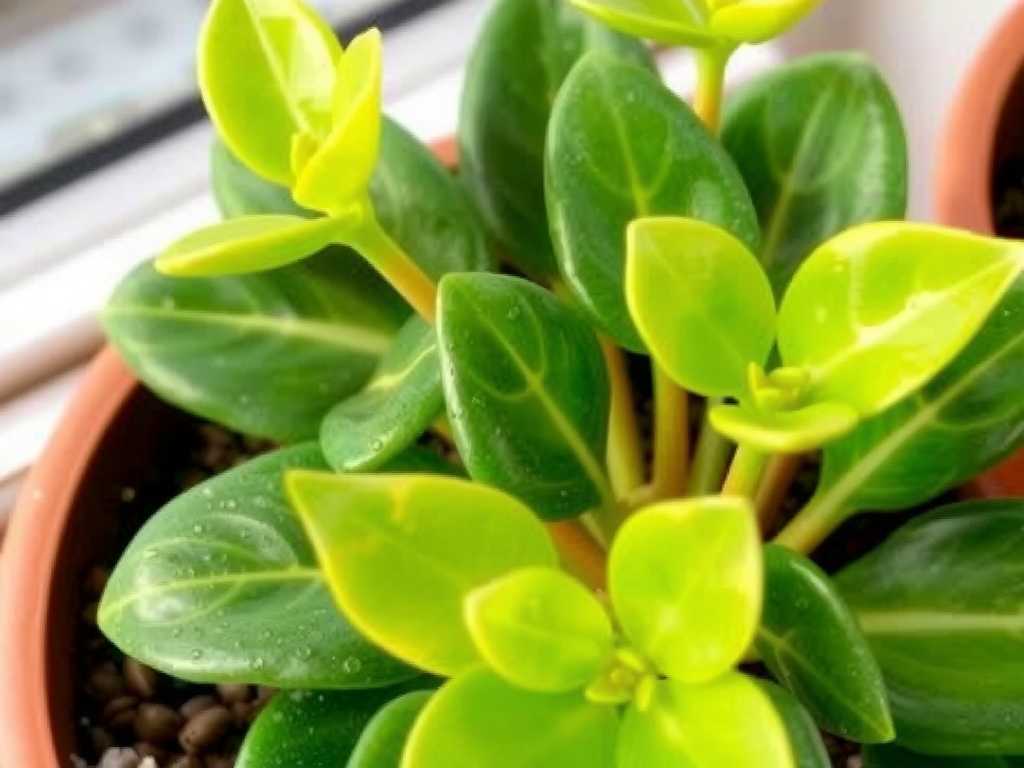
Here are five strategic fixes to correct moisture levels and bring your jade plant back to health. Implement these based on your specific environment.
Fix 1: Optimize Your Watering Routine Immediately
This is the most critical and immediate action. Humidity and watering are intrinsically linked. In a humid setting, soil takes much longer to dry out.
- The Golden Rule: Water only when the soil is completely dry. Don’t rely on a schedule. Instead, perform the finger test. Insert your finger at least two inches into the potting mix. If you feel any dampness or coolness, do not water.
- Deep Soak vs. Light Sprinkle: When you do water, do so thoroughly. Pour water evenly over the soil until it runs freely out of the drainage holes. This encourages deep root growth. Then, let the pot drain completely and never let it sit in a saucer of standing water. A light sprinkle only moistens the top layer, leaving deeper roots in damp soil for too long.
- Seasonal Adjustment: Water significantly less in winter when plant growth slows and evaporation rates are lower, especially if your home’s humidity rises.
Fix 2: Enhance Air Circulation Around the Plant
Stagnant, moist air is the enemy. Improving airflow helps mimic the breezy conditions of its native habitat and accelerates the evaporation of excess moisture from the soil and leaf surfaces.
- Simple Fan Strategy: Place a small oscillating fan in the room, set on low, and position it so it creates gentle, indirect air movement around your plants. Avoid pointing it directly at the jade plant with strong force.
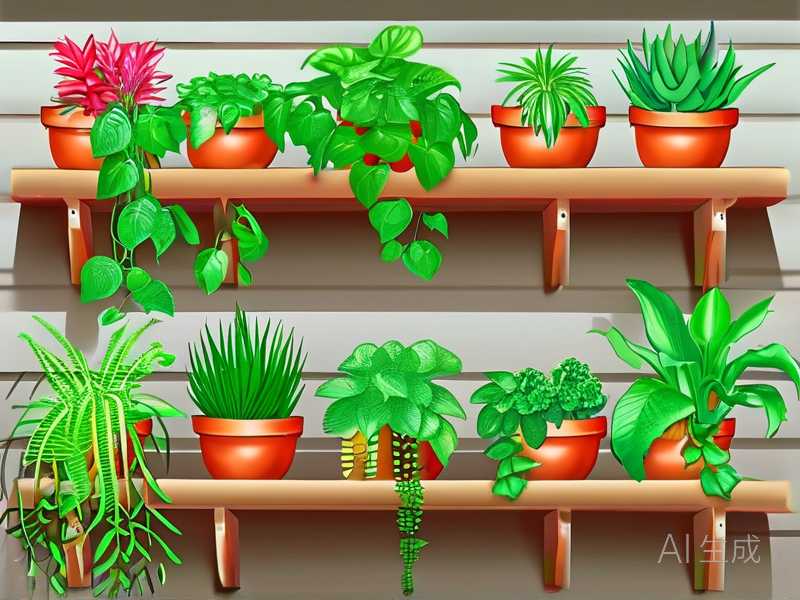
- Strategic Placement: Avoid crowding plants together. Give your jade plant space. Don’t place it in a closed-off corner or a tightly packed plant shelf. A spot near a frequently opened door or in a well-ventilated room can make a big difference.
Fix 3: Ensure Fast-Draining Soil and Proper Pots
The right container and soil mix are your best defenses against moisture retention. They work hand-in-hand with your watering habits.
- The Non-Negotiable: Drainage Holes: Always use a pot with one or more drainage holes. This allows excess water to escape, preventing the roots from sitting in water.
- Ideal Soil Mix: Standard potting soil retains too much moisture. Repot your jade plant into a fast-draining succulent or cactus mix. For even better results, create your own blend by mixing two parts of this commercial mix with one part perlite or coarse sand. This creates an airy, gritty medium that dries out quickly and provides excellent root aeration.
- Pot Material Matters: Unglazed terracotta pots are ideal for jade plants concerned with humidity. The porous clay allows the soil to dry from the sides as well as the top, functioning like a “breathable” pot.
Fix 4: Adjust the Plant’s Location and Light Exposure
Light and humidity have a direct relationship. Increasing light exposure helps the plant use water more efficiently and dries the soil faster.
- Maximize Sunlight: Move your jade plant to the brightest spot possible, ideally a south or west-facing window where it can receive at least 4-6 hours of direct sunlight daily. More light boosts photosynthesis and increases the plant’s water needs, helping to balance out humid conditions.
- Avoid Humidity Hotspots: Keep the plant away from naturally humid areas like bathrooms, kitchens, or laundry rooms. Also, avoid placing it near humidifiers or indoor water features.
Fix 5: Manage Indoor Humidity Levels Directly
If you live in a naturally humid climate, you may need to take direct action to lower the ambient moisture.
- Use a Dehumidifier: This is the most effective solution for a whole room. Running a dehumidifier in the room where your jade plant resides can significantly lower relative humidity to a more suitable range (ideally between 30-50%).
- Ventilation is Key: Use exhaust fans in kitchens and bathrooms. When weather permits, open windows to allow cross-ventilation and replace moist indoor air with drier outdoor air.
- Air Conditioning: Air conditioners naturally remove moisture from the air as they cool. Running your A/C can help create a better environment for your succulents during hot, humid months.
Can yellow jade leaves turn green again? No, once a jade plant leaf has turned yellow, it will not regain its green color. The chlorophyll in that section of the leaf is gone. Your focus should be on preventing further yellowing. You can gently pluck the fully yellowed leaves from the stem. If only the tips are yellow, you can trim the yellow portion off with clean scissors for aesthetics.
How do I know if it’s humidity or overwatering? The symptoms are very similar because the root cause—excess water in the plant’s tissues—is often the same. The key differentiator is your soil moisture. If the soil is soggy and wet days after watering, overwatering is the direct issue. If the soil is dry but the air is very damp (like in a coastal area), then high ambient humidity is likely stressing the plant. Often, it’s a combination of both factors in a poorly draining pot.
What is the ideal humidity level for a jade plant? Jade plants prefer low to average humidity, typically between 30% and 50%. They can tolerate occasional spikes, but prolonged exposure to levels consistently above 60% increases the risk of yellowing leaves, edema (water-soaked spots), and fungal diseases.
Seeing your jade plant’s leaves turn yellow can be worrying, but it’s a solvable problem. By recognizing the link between air moisture and plant health, you can shift from reactive care to proactive prevention. Start by reassessing your watering against the actual soil dryness, then improve airflow and light. Ensuring your plant is in a gritty, well-draining mix within a breathable pot addresses the foundation of the issue. For persistent problems, direct humidity control through ventilation or a dehumidifier can be the final piece of the puzzle. Consistency in these five areas will stop the yellowing, promote firm, green new growth, and ensure your resilient jade plant thrives for many more years.