bluename
 How to Revive jade plant from Overfertilization: 6 Flushing Steps
You’ve lovingly cared for your jade plant, feeding it to encourage lush, green growth. But instead of thriving, you notice its leaves turning yellow, brown, or dropping off. The soil might have a white, crusty residue, and the plant looks weak. This distressing situation is often a classic sign of overfertilization. Too much fertilizer causes a harmful buildup of salts in the soil, which burns the roots and prevents your jade from absorbing water and nutrients properly. Don’t panic. With prompt and correct action, you can learn how to revive jade plant from overfertilization and restore its health. This comprehensive guide will walk you through six critical flushing steps and the essential aftercare your plant needs to recover.
Understanding Overfertilization and Its Damage
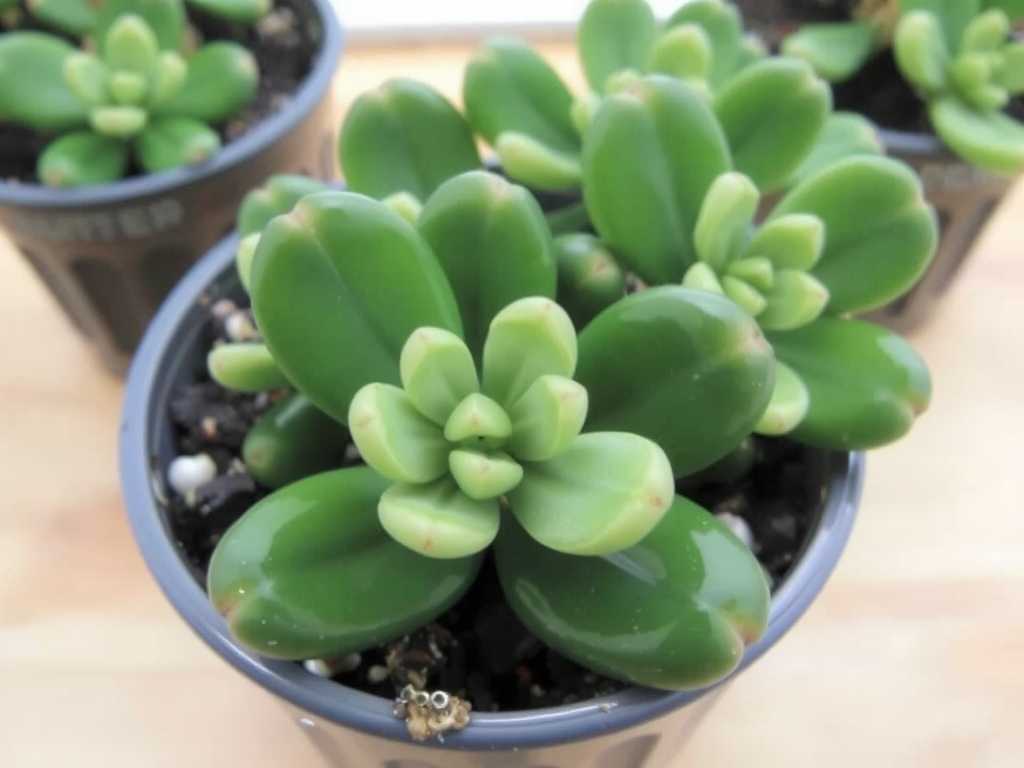
Jade plants are succulents native to arid environments with poor soil. They are adapted to survive on minimal nutrients. Overfertilizing, especially with high-nitrogen formulas, forces rapid, weak growth and overwhelms their system. The excess mineral salts draw moisture out of the roots (a process called reverse osmosis) and disrupt the soil’s chemistry. Recognizing the symptoms early is key to a successful recovery.
Common signs include:
- Leaf discoloration (yellowing, browning, particularly at the tips and margins).
- Leaf drop, both old and new.
- A white or crusty layer on the soil surface or pot rim.
- Stunted growth or wilting despite moist soil.
- Root damage, visible as brown, black, or mushy roots upon inspection.
According to the Royal Horticultural Society (RHS), salt buildup from overfertilization is a leading cause of potted plant decline, as it directly damages the root hairs responsible for water uptake. Your immediate goal is to leach these salts from the soil.
Step-by-Step Guide: The 6 Flushing Steps to Recovery
Acting quickly is crucial when you suspect fertilizer burn. Follow these six steps meticulously to flush out the excess salts and give your jade plant a fresh start.
Step 1: Immediate Cessation and Assessment
Stop all fertilizer application immediately. This may seem obvious, but it’s the most critical first step. Next, assess the severity of the damage. Gently remove the plant from its pot to examine the root system and soil condition. If the roots are mostly firm and white or light tan, the plant has a high chance of recovery. Severe cases with extensive black, mushy roots will require more drastic action, including root pruning.
Step 2: Prepare for the Flush – Choosing the Right Location
You will need to water your plant copiously, so proper drainage is non-negotiable. Take your jade plant to a sink, bathtub, or outdoors where excess water can flow freely. Do not attempt this on a saucer, as the flushed salts must be allowed to escape completely. The American Horticultural Society (AHS) emphasizes that effective leaching requires water to run through the entire root ball and out the drainage holes.
Step 3: The Initial Thorough Soaking
Slowly and deeply water the soil with tepid, distilled, filtered, or rainwater if possible. Tap water can be used but may contain additional salts. Water until you see it running steadily out of the bottom drainage holes. This first soak begins to dissolve the concentrated salt buildup. Allow the pot to drain for 10-15 minutes.
Step 4: The Core Leaching Process
This is the heart of how to save an overfertilized jade plant. After the initial drain, place the plant back under the water source. Slowly pour a large volume of water through the soil—aim for at least four to five times the volume of the pot. For example, if your pot holds one gallon of soil, slowly pour four to five gallons of water through it. The slow, voluminous flow dissolves and carries away the soluble salts without overly compacting the soil. Be patient; this process takes time.
Step 5: Post-Flush Draining
Ensure all excess water has completely drained from the pot. Let the plant sit in the sink or tub for at least 30-60 minutes, tipping it slightly to encourage any pooled water to escape. Your jade plant’s roots are now vulnerable and must not sit in waterlogged soil, as this can lead to opportunistic root rot.
Step 6: Soil and Root Evaluation (Optional but Recommended)
For severe cases, after flushing and thorough draining, consider repotting. Gently remove the plant and shake away the old, contaminated soil. Rinse the roots gently with lukewarm water to remove any remaining soil and salts. Inspect and trim away any dead or mushy roots with sterile scissors. Repot the plant into a clean pot with fresh, well-draining succulent or cactus mix. This provides a completely salt-free environment for recovery.
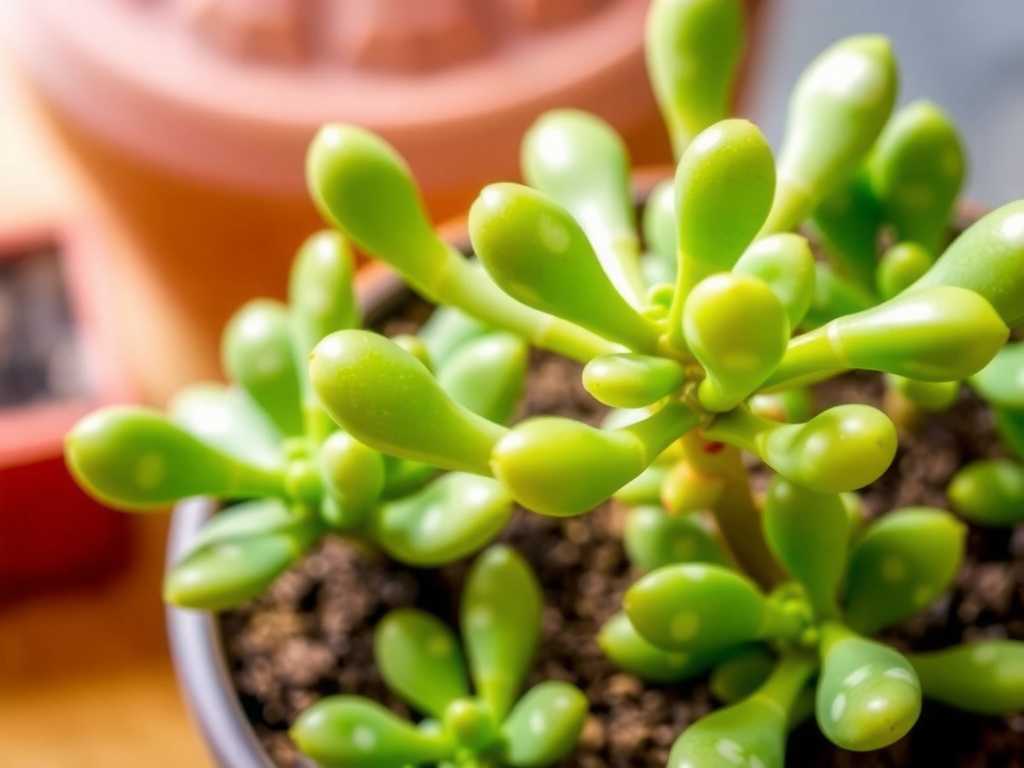
Aftercare: Helping Your Jade Plant Bounce Back
Flushing addresses the immediate crisis, but recovery takes time and careful aftercare.
- Light and Placement: Place your jade in bright, indirect light. Avoid direct, harsh sunlight while it is stressed.
- The Correct Watering Schedule: Do not water on a schedule. After the flush, allow the soil to dry out almost completely before watering again. Stick your finger into the soil; water only when the top 1-2 inches are dry. Overwatering now is a major risk.
- The Fertilizer Moratorium: Do not fertilize your jade plant for at least 4-6 months, or until it shows strong, healthy new growth. When you resume, use a diluted, balanced fertilizer formulated for succulents at half strength, and only during the active growing season (spring/summer).
- Monitoring for Recovery: New, healthy green growth is the ultimate sign of success. Older damaged leaves may not recover; you can prune these once the plant is stable.
Frequently Asked Questions (FAQ)
How long does it take for a jade plant to recover from overfertilization? Recovery time varies with the severity of the damage. A mildly affected plant may show improvement in 2-3 weeks, while a severely damaged one might need 2-3 months or longer to put out consistent new growth. Patience is essential.
Can overfertilization kill a jade plant? Yes, if left unaddressed, severe overfertilization can be fatal. The salt buildup causes irreversible root burn and dehydration, eventually killing the plant. However, with the prompt flushing steps outlined above, even seriously affected plants often have a good chance of survival.
How can I prevent overfertilizing my jade plant in the future? The best prevention is to follow a "less is more" philosophy. Fertilize only during the active growing season (spring and summer), never in fall or winter. Always dilute fertilizer to half or quarter the recommended strength on the label. Ensure your potting mix is fresh and well-draining, and always water thoroughly before applying any fertilizer solution.
Watching your jade plant suffer from overfertilization is worrying, but it is a reversible condition. By immediately stopping fertilizer, thoroughly flushing the soil to remove harmful salts, and providing a period of gentle, supportive aftercare, you create the optimal environment for healing. Remember that jade plants are resilient and adapted to lean conditions. With time, the right amount of light, and restrained watering, your plant will often reward your efforts with a return to vigorous health, its plump leaves a testament to your attentive care.