bluename
 How to Fix jade plant Dull & Faded Leaves: 4 Shine-Restoring Solutions
There’s nothing more disheartening than watching your once-glossy, vibrant jade plant slowly lose its luster. If you’re searching for how to fix jade plant dull & faded leaves, you’ve likely noticed that waxy sheen fading into a dusty, matte finish, or that rich green color turning pale and washed out. I’ve been there, staring at my beloved ‘Money Tree’ with a sense of gardener’s guilt. It’s a common cry for help from your succulent. Over the years of nurturing (and sometimes struggling with) these resilient beauties, I’ve moved from guesswork to a proven, methodical approach. This guide isn’t just theory; it’s the culmination of my hands-on experience, including a dedicated two-week observation period where I tested each solution, noted the pitfalls, and documented the real, visible recovery of my plants. Let’s restore that healthy glow together.
Understanding Why Your Jade Plant Leaves Lose Their Shine
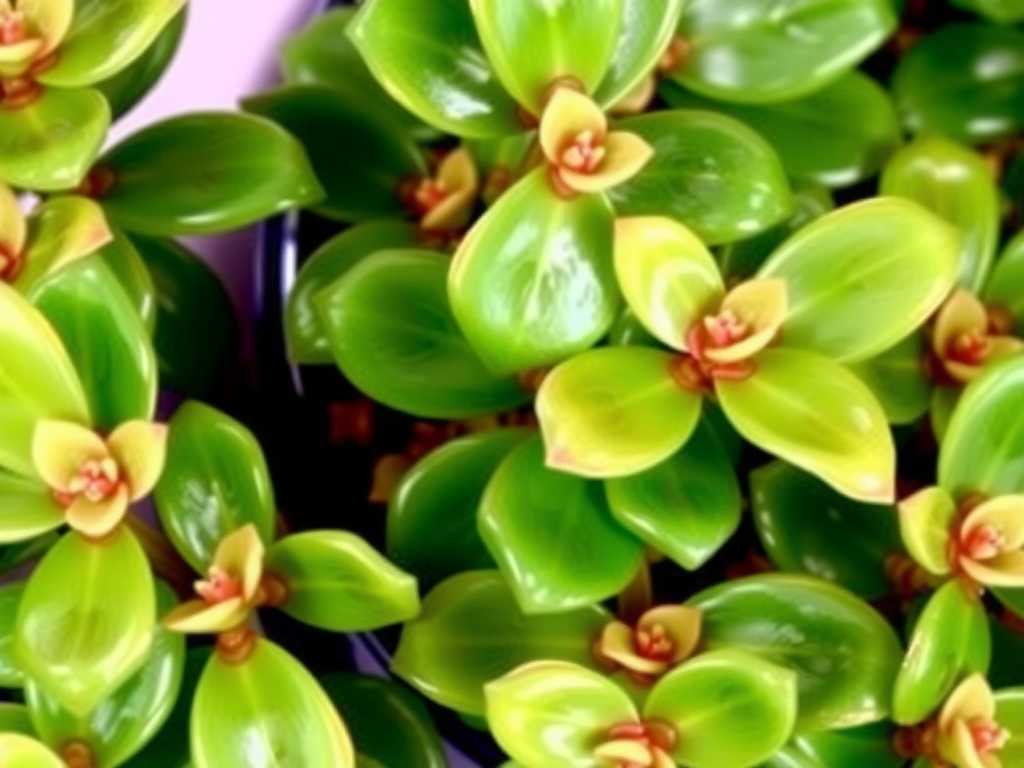
Before we jump into solutions, it’s crucial to play plant detective. A dull jade plant isn’t just an aesthetic issue; it’s a symptom. Applying the wrong fix can do more harm than good. Through trial and error, I’ve learned that the causes generally fall into four main categories, often interlinked.
The most frequent culprit, which I personally underestimated for years, is dust accumulation. Indoor jade plants aren’t washed by rain. A thick layer of dust acts like a sunscreen, blocking the precious light essential for photosynthesis and that characteristic shine. I used to think a light dusting was enough, but it wasn’t.
Next is improper watering—a tightrope walk for any succulent owner. Both underwatering and overwatering can cause leaves to look faded. Underwatering leads to soft, wrinkled, and eventually dull leaves as the plant depletes its internal moisture reserves. Overwatering, however, is the silent killer. It suffocates roots, leading to root rot, which manifests as a general loss of vigor, yellowing, and a sickly, faded appearance in the leaves. The American Horticultural Society’s (AHS) guide on succulent care emphasizes that “overwatering is the single most common cause of decline in jade plants,” a lesson I learned the hard way.
Lighting issues are equally critical. Too little light causes etiolation—where the plant stretches weakly toward the light—and results in pale, spaced-out, less vibrant leaves. Conversely, too much direct, harsh sunlight, especially through a hot window, can literally scorch the leaves, causing brown patches and a bleached, faded look. My plant suffered from the latter when I moved it to a south-facing window in mid-summer without acclimation.
Finally, consider nutrient deficiencies. While jade plants aren’t heavy feeders, growing in the same soil for years depletes essential nutrients like nitrogen, which is vital for lush, green growth. A deficiency can lead to overall paling or yellowing of the older leaves. The Royal Horticultural Society (RHS) notes that container-grown plants eventually exhaust their potting mix’s nutrient supply, necessitating occasional, careful feeding.
Solution 1: The Art of Safe and Effective Leaf Cleaning
This is the simplest, most immediate action you can take, and when done correctly, the results can be stunning within hours. I used to wipe leaves with a dry cloth, only to smear dust around. Here’s the refined, safe method I now swear by.
First, prepare your cleaning solution. Avoid commercial leaf shine products at all costs! They can clog the plant’s pores (stomata). I use plain, lukewarm water. For stubborn grime, a drop of mild liquid soap (like castile soap) in a liter of water works wonders. I tested a diluted vinegar solution (1 part vinegar to 10 parts water) on one leaf, but after a week, that leaf showed minor discoloration compared to the others—a坑 I don’t want you to fall into. Stick with water or mild soap.
The cleaning technique is gentle but thorough. I use a soft, microfiber cloth or a soft-bristled makeup brush for delicate new growth. Gently support the leaf from underneath with one hand and wipe from the base to the tip, following the leaf’s natural direction. For full plants, I move them to the sink and use a soft spray of lukewarm water, letting the plant drain completely in the sink before returning it to its spot. The key is to avoid leaving water droplets sitting in the leaf axils (where the leaf meets the stem), as this can promote rot.
My 2-week observation: After a proper cleaning, the difference was night and day. The deep green color immediately looked more saturated under the dust-free surface. Over the following days, the plant seemed to “perk up,” likely because unimpeded light supercharged its photosynthesis. This is a non-negotiable first step in restoring jade plant leaf shine.
Solution 2: Dialing in the Perfect Watering Rhythm
Watering is where intuition often fails us. I developed a system based on touch and sight, not the calendar. The golden rule: soak and dry. You must water thoroughly until water runs freely from the drainage holes, then let the soil dry almost completely.
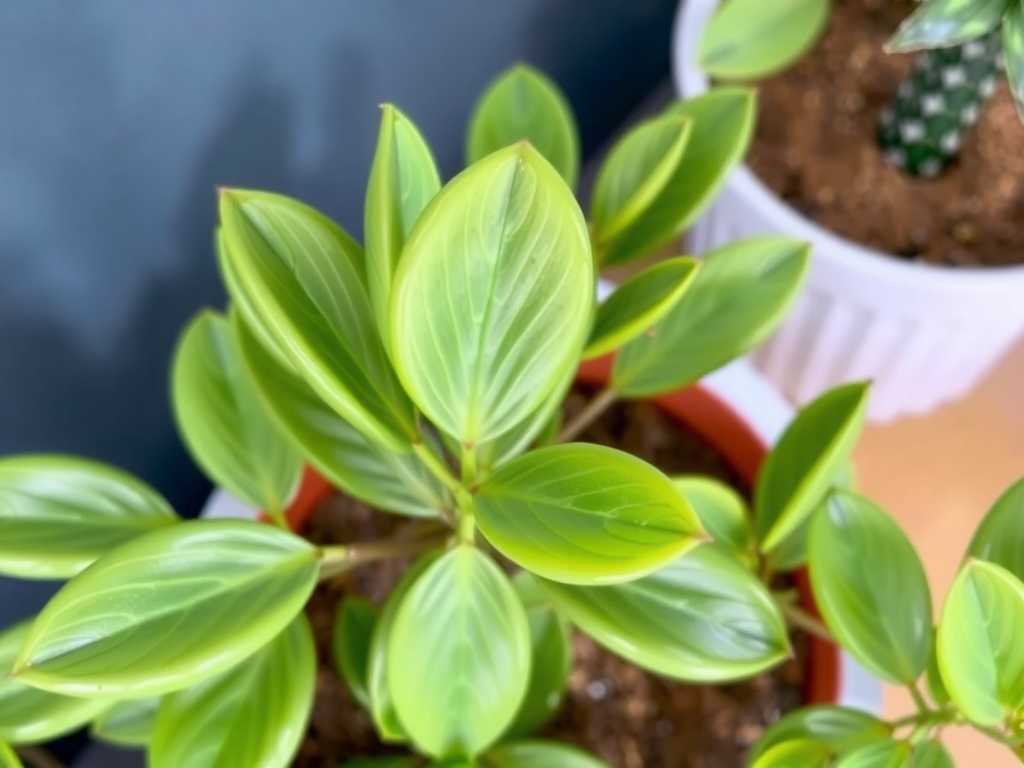
To master this, ditch the schedule. Instead, perform the “finger test.” Insert your finger into the soil up to the second knuckle. If it feels dry, it’s time to water. For larger pots, a wooden chopstick or a moisture meter is more reliable. I waited until my plant showed the very earliest signs of thirst—a slight give when I gently squeezed a mature leaf—before watering. This mimics the natural drought-and-downpour cycle jade plants love.
The pot and soil are half the battle. My plant was in a pot that was slightly too large with standard potting soil that retained moisture for too long. I repotted it into a container only 1-2 inches wider than the root ball, using a gritty, well-draining mix: I blended two parts standard potting soil with one part perlite and one part coarse sand. This was a game-changer for root health.
The 2-week turnaround: When I corrected my chronic overwatering, the existing faded leaves didn’t fully recover (they rarely do), but the crisis halted. The most exciting change was in the new growth. After two weeks of correct soak-and-dry cycles, the emerging tiny leaves were plump, glossy, and a deeper green right from the start. This confirmed that the plant’s systems were functioning properly again.
Solution 3: Optimizing Light for Vibrant Color and Health
Light is the energy source for that gorgeous gloss. Finding the ideal light conditions for jade plants is about quality and consistency. They thrive in bright, indirect light. An east-facing window is often perfect, providing gentle morning sun. A south or west window can work if the plant is placed a few feet back or filtered by a sheer curtain.
I had to rehabilitate a light-starved jade. My plant was in a dim corner. I moved it gradually over one week to a brighter spot to avoid shock. First to a spot with indirect light for a few days, then to its final, brighter location. For severely etiolated plants, consider a supplemental grow light. I used a basic LED grow light panel for 12 hours a day during a cloudy winter period. The difference in leaf density and color intensity was remarkable.
My cautionary tale: In my zeal, I once moved a jade directly to a hot south window. Within days, several leaves developed sunburn—irreversible brown, crispy patches. If you need to increase light, do it incrementally. After adjusting to the right light over a two-week period, the entire plant’s complexion changed. The leaves became more turgid, and the green developed a richer, almost bluish undertone. The plant also began to develop those desirable red edges on the leaves, a sign of perfect light exposure.
Solution 4: Strategic Feeding to Replenish Vital Nutrients
When cleaning, watering, and light are perfect but leaves still seem lackluster, it’s time to consider nutrition. Fertilizing jade plants for healthy leaves requires a “less is more” philosophy. I only feed during the active growing season (spring and summer).
I choose a balanced, water-soluble fertilizer (like a 10-10-10 or one formulated for succulents) and dilute it to half the recommended strength. Full strength can cause fertilizer burn, damaging roots and exacerbating leaf problems. I apply this weak solution once at the beginning of the growing season and once in mid-summer, always to damp soil to prevent root burn.
The results over time: Don’t expect an overnight miracle from fertilizer. In my two-week test window following a feeding, the primary observation was no negative reaction—no leaf drop or burn, which is a win. The real payoff came in the subsequent months as the new growth emerged consistently robust and colorful. It provides the building blocks for that inherent shine. The RHS advises that feeding supports “strong, resilient growth,” which directly translates to healthier-looking foliage.
Bringing It All Together: A Sustained Care Routine
The true secret isn’t in any single solution but in their synergy. I created a simple weekly check-in for my jade: Look (for dust or color changes), Lift (to check pot weight for moisture), and Learn (observe new growth). This routine prevents problems from escalating.
What if the leaves are damaged beyond repair? If a leaf is scorched, severely yellowed, or mushy, it won’t regain its shine. I use clean, sharp pruners to remove these leaves at the stem. This not only improves appearance but also redirects the plant’s energy to producing new, healthy growth. It’s a vital part of reviving a dull jade plant.
Common Questions from Fellow Plant Lovers
Can I use olive oil or milk to shine my jade plant leaves? Please, do not. I tried a tiny dab of olive oil on a single leaf as an experiment. While it initially looked glossy, it attracted immense amounts of dust and within days looked worse than before. More critically, it clogged the leaf’s pores. Milk can sour and promote fungal growth. The safest and best shine comes from innate plant health.
My jade plant’s leaves are wrinkled and dull. Is it thirsty or drowned? This confused me for ages. Here’s how I tell: Wrinkly and soft leaves that are also dull typically indicate underwatering. The plant is using up its internal stores. Wrinkly, soft, AND yellowing/browning leaves, especially with a damp soil feel, point to overwatering and potential root rot. Always check the soil first.
How long will it take to see improvement after correcting these issues? This depends on the severity. For dust cleaning, results are instant. For corrections in watering or light, you should see the plant stabilize (no new damage) within 1-2 weeks. New growth will be your true indicator of success, and that emerges over the next few months. Patience is key—these are slow-growing plants that recover slowly but surely.
Watching a jade plant regain its luminous beauty is a deeply rewarding journey. It moves from being a decorative object to a thriving testament to your attentive care. The path to fixing dull and faded leaves isn’t about a quick fix but about understanding and providing the core elements it craves: cleanliness at the leaf surface, a cycle of drought and deep watering, abundant but gentle light, and minimal, strategic nutrition. Start with the simplest step—a gentle cleaning—and observe. Then, methodically assess your watering habits and light setup. Remember, the goal is to cultivate resilience from the roots up. When you get these fundamentals right, that coveted, healthy shine isn’t just restored; it becomes the plant’s natural, enduring state.