bluename
 How to Eliminate jade plant Spider Mites Naturally: 3 Targeted Hacks
There’s a special kind of heartbreak that comes from seeing your beloved jade plant, a symbol of resilience and growth, suddenly looking sickly. You notice fine, silky webbing in the crevices of its plump leaves, tiny yellow speckles spreading like a rash, and maybe even a faint, unsettling movement if you look closely. That sinking feeling confirms it: spider mites. These microscopic vampires are sucking the life out of your plant, and the urge to grab the strongest chemical spray is powerful. But what if you could fight back effectively without exposing your home, your pets, or your precious plant to harsh toxins? After a recent, intense battle with a severe infestation on my oldest jade, I dedicated two weeks to testing and perfecting three targeted, natural hacks that truly work. This guide is born from that hands-on experience, complete with the mistakes I made and the simple solutions that saved my plant.
Understanding Your Enemy: Why Spider Mates Love Your Jade
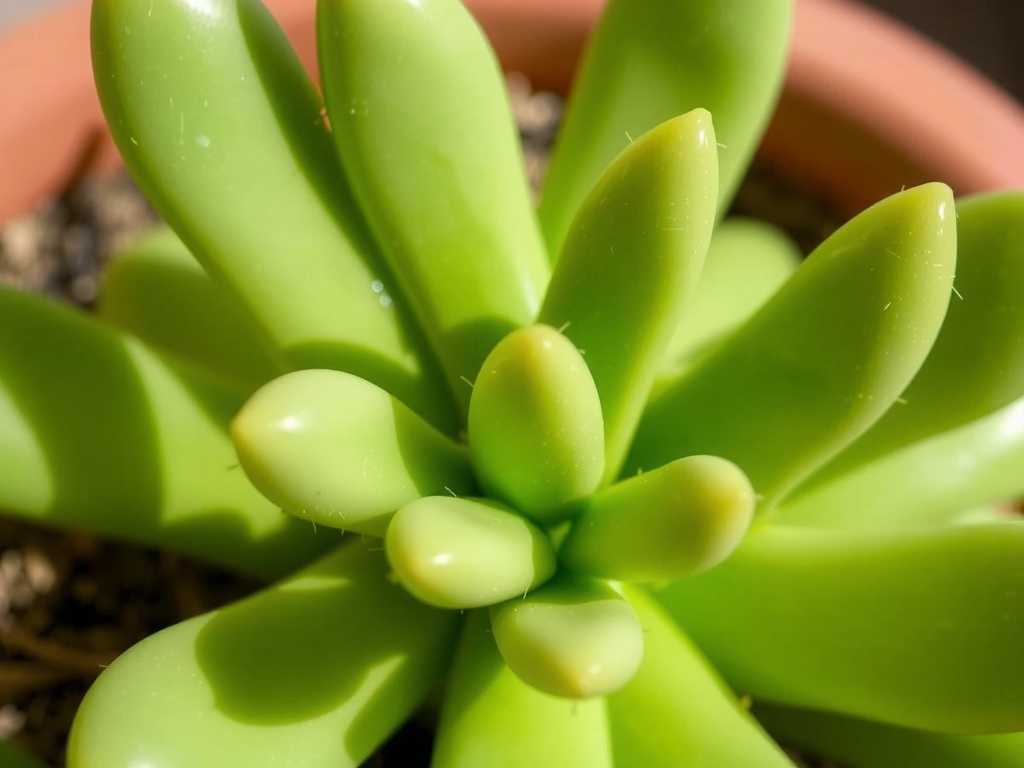
Before we dive into the solutions, it’s crucial to know what we’re up against. Spider mites are not insects; they’re tiny arachnids that thrive in warm, dry conditions—exactly the environment many of us provide for our sun-loving jade plants (Crassula ovata). They pierce plant cells to feed, causing the characteristic stippling damage. According to resources from the Royal Horticultural Society (RHS), early detection is key, as populations can explode rapidly. My mistake was ignoring the first few yellow spots, dismissing them as a watering issue. Within a week, the webbing was undeniable. This brings us to our first, non-negotiable step.
The Foundational Step: Isolation and Assessment
The moment you suspect spider mites, isolate the affected jade plant immediately. These pests spread like gossip on the wind to your other houseplants. Place it in a separate room, if possible. Next, give it a thorough examination. Take a white piece of paper, tap a leaf over it, and look for tiny, moving specks. This confirms active infestation. For my plant, the paper test revealed a disturbing number of mites. I knew I needed a multi-pronged, persistent approach. Natural methods require consistency, so I committed to a strict two-week treatment schedule. Patience is not just a virtue here; it’s a requirement.
Hack #1: The Blast-and-Wipe Physical Eradication Method
This is your first line of attack and remains the most immediately effective physical removal tactic. Spider mites hate moisture and direct physical disruption.
My Step-by-Step Process:
- I moved my jade plant to the sink or shower. Using a gentle spray nozzle, I thoroughly blasted the entire plant—focusing on the undersides of leaves, stems, and every nook and cranny. The goal is to dislodge as many mites, eggs, and webbing as possible. The RHS recommends this method as an initial control measure, noting its effectiveness in reducing populations.
- After letting the plant drip-dry for about 30 minutes, I prepared a soapy solution. I used pure castile soap (about 1 teaspoon per liter of lukewarm water), a recommendation I found consistently across organic gardening guides. Important: I always tested this on a single leaf first and waited 24 hours to ensure no damage occurred.
- Using a soft, lint-free cloth (old t-shirt fabric works perfectly), I dipped it in the soapy solution and gently wiped every single leaf, top and bottom, and each stem. The soap helps suffocate any remaining mites and breaks down the webbing. This was tedious but meditative and crucial.
- I repeated this entire blast-and-wipe process every 3-4 days for the entire two-week period to break the mite life cycle.
The Two-Week Observation & The Pitfall I Hit: By day 7, the plant looked significantly better. The webbing was gone, and new speckling had stopped. However, around day 10, I saw a few new specks on a lower leaf. My pitfall was becoming complacent and missing a few hidden leaves deep inside the canopy during my wipe-downs. The solution was to be more meticulous, even using a cotton swab for tight spaces. This hack alone dramatically reduced the infestation, but I needed to escalate for complete control.
Hack #2: The Herbal Miticide Power of Neem Oil
Neem oil is a renowned natural insecticide and miticide. It works by disrupting the hormones of pests, making it hard for them to feed, grow, and reproduce. It’s a cornerstone of organic pest management for succulents.
My Step-by-Step Process:
- I only applied neem oil after the physical cleaning (Hack #1). Spraying it on webbing and heavy debris is ineffective.
- I mixed the solution carefully: 1 liter of warm water, 5ml (1 teaspoon) of pure, cold-pressed neem oil, and 2-3 drops of castile soap as an emulsifier (to mix the oil and water). I mixed it in a small spray bottle, shaking vigorously.
- In the evening (to prevent potential leaf sunburn), I sprayed the entire plant until it was dripping, again paying obsessive attention to leaf undersides. The smell is strong but earthy.
- I applied this neem spray once a week, specifically after a blast-and-wipe session. I did this for two consecutive weeks.
The Two-Week Observation & The Pitfall I Hit: The neem oil was a game-changer. It created a residual protective layer. The American Horticultural Society (AHS) highlights neem’s systemic properties, where the plant can absorb some components, offering longer protection. My mistake was using a pre-mixed, store-bought neem solution early on. It was less effective and left a greasy residue. Switching to pure neem oil and making my own fresh mix was far superior. By the end of week two, all visible mite activity had ceased. No new webbing, no new specks.
Hack #3: The Environmental Shift – Boosting Humidity
This is the preventative hack that makes your jade plant a hostile environment for future infestations. Remember, spider mites adore dry air.
My Step-by-Step Process:
- I did not turn my jade plant into a humidity-loving fern. Instead, I implemented targeted boosts. I placed a shallow tray filled with water and pebbles near the plant group (after my jade was cured and reintroduced). As the water evaporates, it slightly raises local humidity.
- I began misting my jade plant leaves lightly every other morning with plain water. This is a point of debate, but for my mature jade in well-draining soil and good airflow, a light morning misting allowed leaves to dry by midday and created an environment mites dislike.
- Most importantly, I made a habit of regularly inspecting plant leaves for pests during my weekly watering. Early detection is everything.
The Two-Week Observation & Long-Term Result: During the treatment weeks, the increased moisture from blasting and the overall care likely contributed to suppressing the mites. In the long term, maintaining a slight humidity awareness and, crucially, keeping the plant clean and dust-free has prevented any return. My jade plant has since pushed out healthy, unblemished new growth, a sure sign of recovery.
Addressing Common Concerns
Can a jade plant recover from severe spider mite damage? Absolutely. Jade plants are remarkably tough. Once the mites are eliminated, the plant will focus energy on new growth. The old, speckled leaves may remain scarred, but they still contribute photosynthesis. You can prune severely damaged leaves for aesthetics once the plant is healthy and growing actively.
Is rubbing alcohol safe for treating spider mites on jade plants? Many guides recommend it. I used a 70% isopropyl alcohol solution on a cotton swab for spot-treating a few stubborn areas during my initial assessment. It kills on contact. However, I advise caution: always test on a small, hidden leaf first, as it can damage the waxy coating (farina) on some succulents and cause dehydration if overused. It was a useful tool in my arsenal but not my primary method.
How often should I check my jade plant for pests? Make it part of your routine. Every time you water, which for a jade might be every 2-3 weeks, take a moment to look at the undersides of a few leaves. It takes seconds and is the single best habit you can develop to catch any issue, not just mites, while it’s still easily manageable.
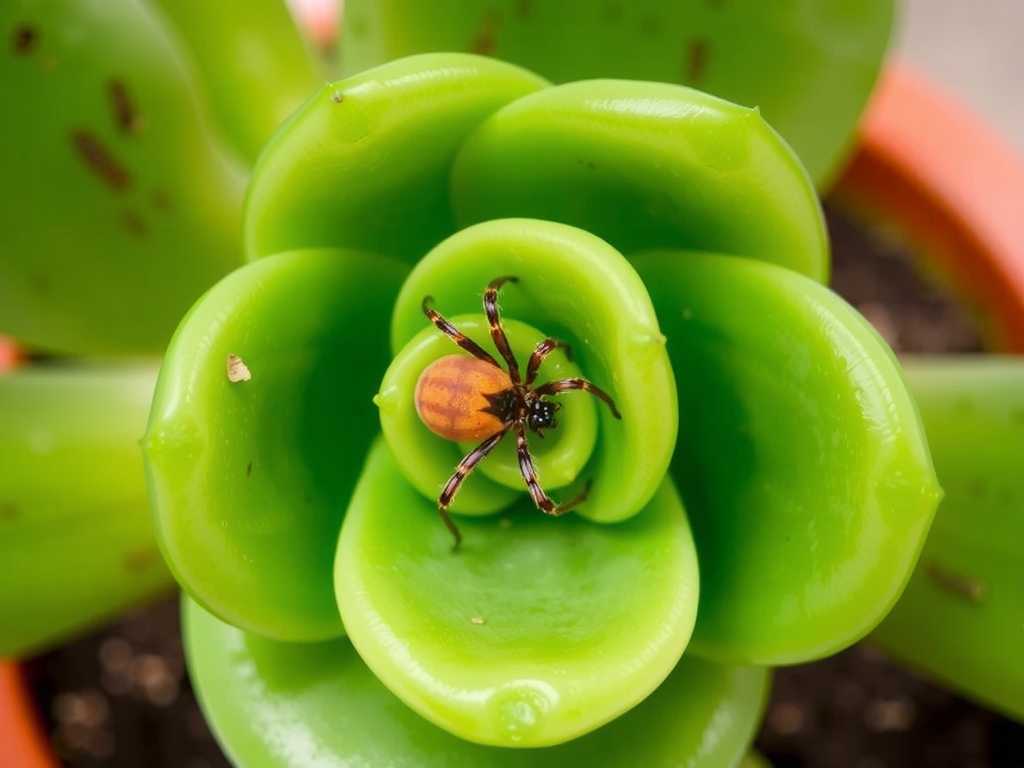
Winning the war against spider mites on your jade plant isn’t about a single magic potion. It’s about a consistent, layered strategy that physically removes the pests, applies a natural deterrent like neem oil, and adjusts the environment to favor the plant, not the pest. The journey requires observation and patience—those two weeks of treatment are critical. But the reward is a thriving, toxin-free jade plant that continues to bring its sturdy, green joy to your space. The resilience you see in its recovery will mirror your own growing confidence as a plant caretaker.