bluename
 How to Revive jade plant from Heat Stress: 4 Cooling-Recovery Steps
I’ve been there. You walk over to your beloved, plump-leaved jade plant, a fixture of your sunny windowsill for years, only to find it looking… defeated. The once firm, glossy leaves are now wrinkled, soft, or worse, sporting crispy brown edges. Some might even be dropping like flies. Your heart sinks. Is it dying? More likely, it’s screaming for help from heat stress. As a long-time indoor gardener who’s nurtured (and sometimes battled with) countless succulents, I can tell you that reviving a heat-stressed jade plant is absolutely possible, but it requires swift, informed action. Over the years, I’ve perfected a recovery system born from both research and painful trial and error. In this guide, I’ll walk you through my proven, four-step cooling and recovery process to nurse your jade plant back to vibrant health. I recently had to deploy this exact protocol on my own prized ‘Gollum’ jade, and over a focused two-week period, I witnessed a remarkable turnaround. I’ll share my real-time observations, the mistakes I made along the way, and exactly how I fixed them.
Understanding the Enemy: What Heat Stress Does to Your Jade
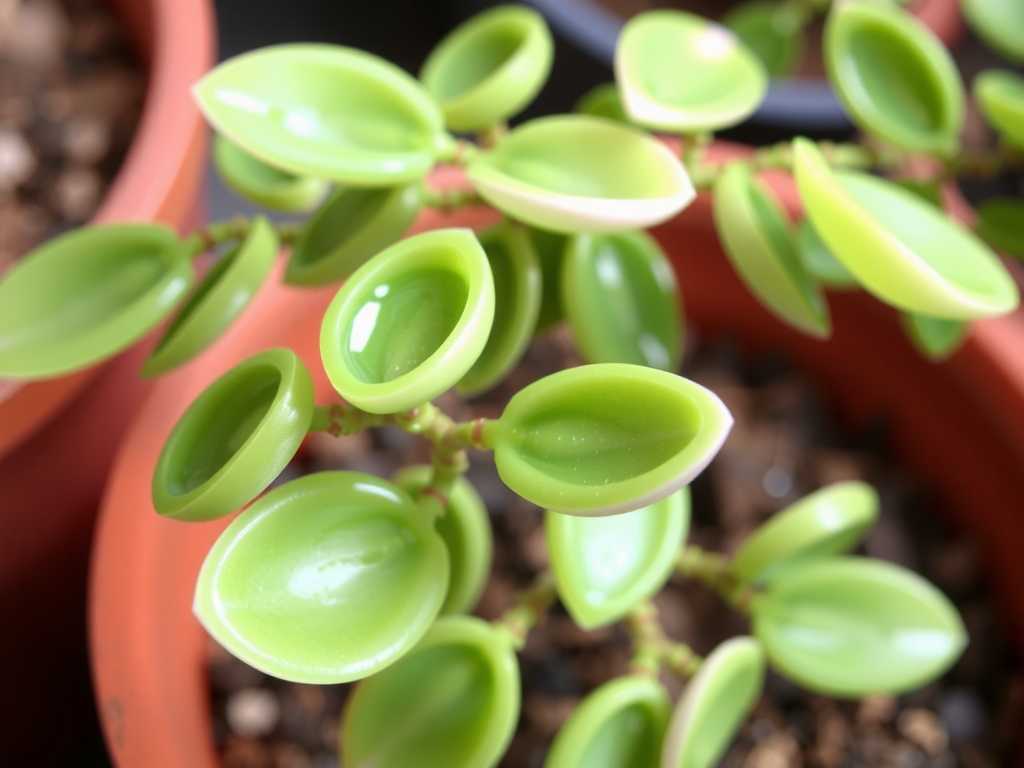
Before we jump into the rescue mission, let’s understand what we’re dealing with. Jade plants (Crassula ovata) are succulents, masters of storing water in their thick leaves and stems. They thrive in bright light and warm conditions, but there’s a critical limit. Prolonged exposure to excessive heat—think direct, scorching afternoon sun through a hot window, or a stuffy room consistently above 90°F (32°C)—overwhelms their natural cooling systems.
The plant loses water through transpiration faster than its roots can absorb it. This causes cells to collapse, leading to those tell-tale signs: leaf shriveling, softening, and discoloration. According to the Royal Horticultural Society (RHS), succulents like jade plants enter a state of “heat dormancy” under severe stress, essentially shutting down growth to survive. If unchecked, this can lead to root damage and secondary issues like rot, especially if we panic and overwater. The American Horticultural Society’s (AHS) heat zone map is a great reminder that indoor microclimates can be far more extreme than our garden zones. Your cozy sunroom can easily become a desert furnace.
My 4-Step Cooling and Recovery Protocol
This isn’t just theory. When I noticed my Gollum jade’s tips browning and its characteristic tubular leaves losing their firmness, I immediately initiated this four-step plan. The entire recovery journey was closely monitored over two weeks.
Step 1: The Immediate Cool-Down and Assessment
The first rule is: do not water on sight! This was my first big mistake years ago. Seeing a wilted plant, I drenched it, only to speed up root rot in the already stressed root system. Your initial action must be a strategic retreat.
- Action I Took: I gently moved my jade plant away from its south-facing window, which was amplifying the summer heat. I placed it in a spot with bright, but completely indirect, light. A north or east-facing room is ideal. I also turned on a ceiling fan to promote gentle air circulation—stagnant, hot air is a major culprit.
- The “Why” and Expert Backing: Rapid temperature reduction halts further cellular damage. The RHS advises against sudden shocks, so don’t put it in a dark closet or blast it with AC. The goal is a stable, cooler environment. Good airflow, as noted in many horticultural guides, helps cool leaf surfaces and prevents fungal pathogens that exploit weakened plants.
- My 48-Hour Observation: In the first two days, the leaf drop stopped. This was the first positive sign. The leaves still looked wrinkled, but they weren’t getting worse. The plant had stabilized.
Step 2: The Surgical Hydration Technique
After the 48-hour cool-down, it’s time for careful hydration. This is where precision matters. The goal is to rehydrate the thirsty plant tissues without drowning the compromised roots.
- Action I Took: I performed the “bottom-watering” method. I placed the nursery pot (with drainage holes) into a shallow tray filled with about an inch of room-temperature water. I let it sit for 20 minutes, allowing the soil to wick up moisture from the bottom. Once the topsoil felt damp, I removed the pot, let all excess water drain completely, and did not water again.
- The Mistake I Made (And Fixed): On day three, impatient, I gave it a light top-watering after the bottom soak. A few lower leaves turned mushy and yellow—a classic sign of overwatering. I immediately stopped, used a chopstick to aerate the soil gently, and placed the pot on a dry towel to wick away extra moisture. I learned that with heat stress, less is more with water initially.
- Week 1 Progress Report: By the end of the first week, the most dramatic change was in leaf texture. The previously soft, limp leaves began to firm up slightly from the base upwards. The shriveling was less pronounced. No new brown spots appeared.
Step 3: Strategic Pruning for Recovery
Dead or severely damaged leaves won’t recover. They drain energy and can attract disease. Pruning is not just cosmetic; it’s a physiological redirect.
- Action I Took: Using sterilized, sharp tweezers and micro-tip snips, I carefully removed only the leaves that were more than 50% brown, black, or mushy. I did not prune any merely wrinkled or slightly discolored leaves—these could still recover. For a few stems with tip damage, I made a clean cut just above a leaf node.
- Why This Works: Pruning reduces the plant’s overall demand for water and allows it to channel all its limited energy into regenerating healthy tissue. The AHS emphasizes that clean cuts heal faster, minimizing stress. After pruning, my plant simply looked less “sick,” which boosted my morale too!
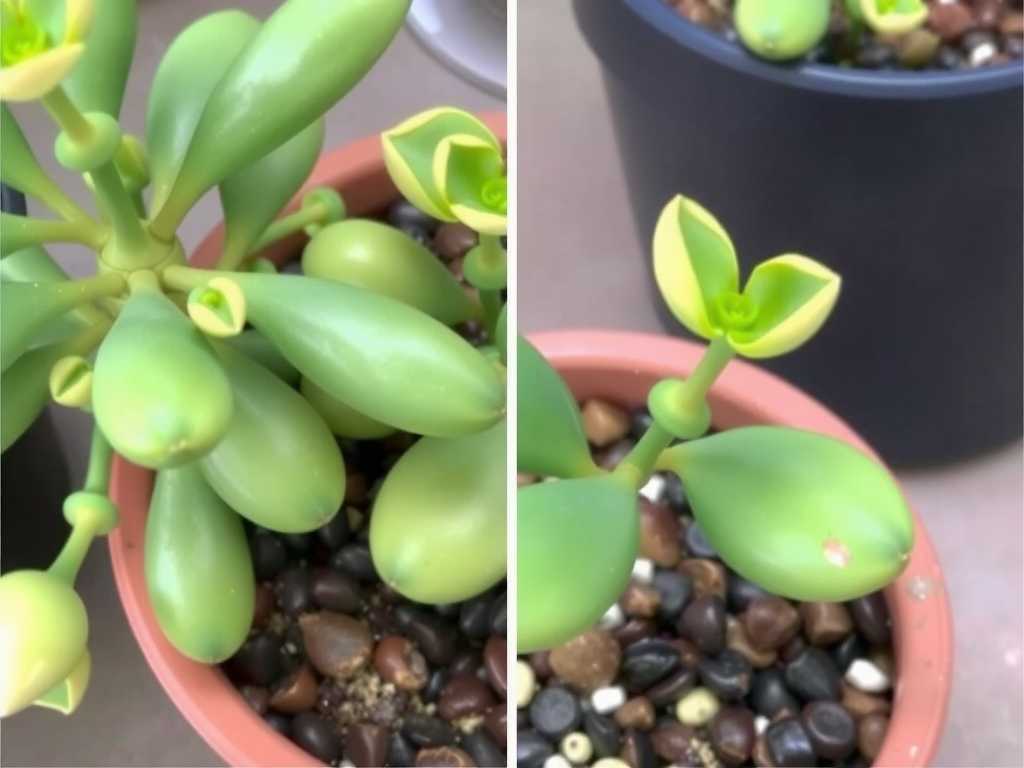
- Observation Post-Pruning: The plant appeared less burdened. Within 3-4 days of pruning, I noticed tiny, bright green nubs forming at some of the stem nodes where I had made cuts—the very first signs of new growth!
Step 4: The Long-Term Stability Plan
Recovery isn’t complete just because the plant looks better. The next week is about reinforcing health and preventing relapse.
- Action I Took: I resisted the urge to fertilize. A stressed plant cannot process fertilizer, which can chemically burn the roots. I maintained consistent, bright indirect light and only considered watering again when the soil was completely dry an inch down—which took nearly 10 days after the initial soak. I also invested in a simple digital thermometer/hygrometer to monitor the room’s temperature, ensuring it stayed between 65-80°F (18-27°C).
- The Two-Week Milestone: At the 14-day mark, my jade plant was a different specimen. All leaf drop had ceased. The remaining leaves were nearly fully plump and firm. The new growth points were more pronounced. Most importantly, the plant exhibited a overall vibrant, green vigor. It was no longer in survival mode but was actively growing again.
Preventing Future Heat Stress Episodes
Learning from this, I’ve adapted my care to prevent a repeat. I now use a sheer curtain to diffuse intense afternoon sun during peak summer months. I’m more mindful of heat sources like radiators or electronics near my plants. And I’ve learned that acclimating jade plants to higher temperatures gradually in the spring can build their resilience, a tip supported by succulent cultivation experts.
Your Questions, Answered
- Can a jade plant recover from sunburned leaves? Yes, but the sunburned patches themselves (those crispy, white or brown scars) will not heal or turn green again. The plant can, however, grow new, healthy leaves around them. Focus on providing optimal conditions for new growth rather than trying to fix the damaged tissue.
- How often should I water my jade plant in hot weather? This is the trickiest part. Do not water on a schedule. The frequency increases in heat, but the method is key. Always check the soil. Water deeply (preferably from the bottom) only when the top 1-2 inches of soil are bone dry, and ensure exceptional drainage. In extreme heat, this might be more frequent, but the “soak and dry” principle remains sacred.
- Should I mist my jade plant to cool it down? No. Misting succulents like jade plants is generally not recommended, especially to combat heat. It can lead to fungal issues on the leaves and does not provide meaningful hydration or cooling. Improving overall air circulation and shading the plant from direct, intense sun are far more effective strategies.
Watching a jade plant succumb to heat stress is worrying, but it’s a problem with a clear solution. The key is a calm, methodical response: cool first, water wisely second, prune with purpose, and commit to a stable environment. By mimicking the gradual relief of a passing heatwave, you give your plant the grace period it needs to repair itself. My two-week journey with my Gollum jade proved that these resilient plants have an incredible will to live. With your attentive care, your jade will not just recover; it will emerge stronger, and you’ll be equipped with the knowledge to keep it thriving through many seasons to come.