bluename
 How to Fix jade plant Leaf Browning from Cold: 5 Winter Protection Fixes
There's a special kind of plant parent heartbreak that happens in winter. You walk past your beloved jade plant, a symbol of resilience and prosperity, and see it—those soft, mushy, brown spots marring its plump, green leaves. It wasn't like this yesterday! If you're frantically searching for how to fix jade plant leaf browning from cold, take a deep breath. I've been there, and I can tell you it's a fixable situation. Last winter, my own mature jade, a plant I'd nurtured for years, developed severe cold damage after a drafty night by a poorly insulated window. The journey to nurse it back to health taught me more than any generic guide ever could. Over the next sections, I'll share the exact, step-by-step winter protection fixes I applied, the crucial mistakes I made along the way, and the remarkable recovery I witnessed over a dedicated two-week observation period.
Understanding the "Why": How Cold Damages Your Jade Plant
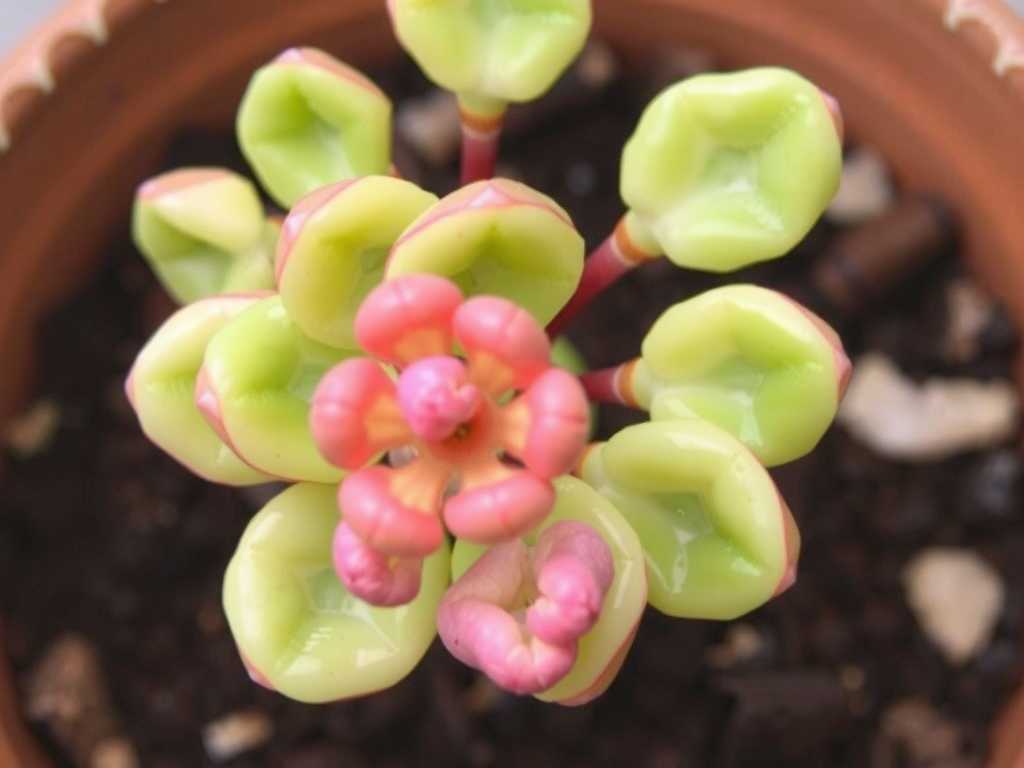
Before we jump into the fixes, it's vital to understand what's happening inside your plant. Jade plants (Crassula ovata) are succulents native to warm, arid regions of South Africa. Their cells are full of water. When exposed to temperatures below 50°F (10°C) for prolonged periods, or to sudden cold drafts, the water inside those cells can actually freeze. This forms ice crystals that rupture the cell walls. Once the tissue thaws, the damaged cells die, leading to those characteristic soggy, brown, or blackened areas. This isn't just cosmetic; it's a sign of internal injury. The Royal Horticultural Society (RHS) categorizes jade plants as tender succulents, explicitly warning that they cannot tolerate frost and need minimum winter temperatures of 41-45°F (5-7°C) to remain unscathed. The damage often starts at the leaf tips and margins, the most exposed parts, before spreading inward.
Immediate Action Plan: The First 48 Hours After Spotting Cold Damage
When I first saw the damage on my plant, my instinct was to panic and overcorrect. I almost drowned it in water, thinking it was thirsty. That was my first big mistake. Here’s what you should do instead, based on my hard-learned lessons.
Step 1: Isolate and Assess Gently move your jade plant away from the cold source immediately—be it a window, door, or unheated room. Place it in a spot with stable, room-temperature conditions (ideally 65-70°F or 18-21°C). Do not put it right next to a heat vent, as the sudden dry heat is another shock. Carefully examine the extent of the leaf browning. Are only a few leaf tips affected, or are entire stems soft and discolored?
Step 2: The Surgical Removal (Do Not Skip This) This was the toughest part for me, but it's non-negotiable. You must remove the damaged tissue. Why? Those brown, mushy parts are dead. They will not recover or turn green again. More critically, they are prime entry points for fungal and bacterial rot, which can kill the entire plant.
- Tools: Use a clean, sharp pair of scissors or pruning shears. Wipe them with rubbing alcohol between cuts to prevent spreading any potential disease.
- Method: For partially damaged leaves, you can carefully cut away just the brown, soft section, leaving any healthy green tissue behind. If a leaf is more than 50% damaged or the stem feels soft, remove the entire leaf at its base where it connects to the stem. For stem damage, cut back to firm, green tissue. It feels drastic, but it’s like removing frostbitten tissue to save the limb.
Step 3: Hold the Water! This is counterintuitive but critical. A cold-damaged plant's roots are in shock and its metabolic processes have slowed way down. It cannot uptake water efficiently. Watering it now will saturate the soil, leading to root rot—a double whammy your plant cannot survive. I made this error and saw the base of the stem start to soften. I had to unpot it, let the roots dry for two days, and repot in fresh, dry mix. Don't be me. Let the soil stay completely dry for at least 7-10 days after the cold incident.
5 Proven Winter Protection Fixes to Stop Browning and Promote Recovery
After the emergency triage, the real work begins. These five fixes are about creating a protective environment that halts further damage and gives your jade the best chance to heal and sprout new growth.
Fix 1: Master the Art of Strategic Placement Location is everything in winter. I moved my recovering jade to a bright, south-facing interior wall, about 3 feet away from the actual window. This provided ample bright, indirect light without the temperature fluctuations and cold drafts of the windowpane. I used a simple digital thermometer/hygrometer to monitor the spot, ensuring it stayed consistently above 60°F (15°C). Avoid placing plants on cold windowsills or in drafty hallways. The American Horticultural Society’s heat zone map is a great reminder that indoor microclimates matter just as much as outdoor ones.
Fix 2: Dial Back Your Watering Routine Dramatically Winter is a time of dormancy for jade plants. Their water needs plummet. My new rule became: "When in doubt, wait it out." I switched from my summer schedule of watering every 2 weeks to a deep watering only once every 4-6 weeks. The key is to check the soil. I insert a wooden skewer deep into the pot; if it comes out clean and dry, it’s time to water. Then, I water thoroughly until it runs from the drainage holes, and make absolutely sure no water remains in the saucer underneath. This long, dry period between drinks mimics their natural habitat and prevents root issues.
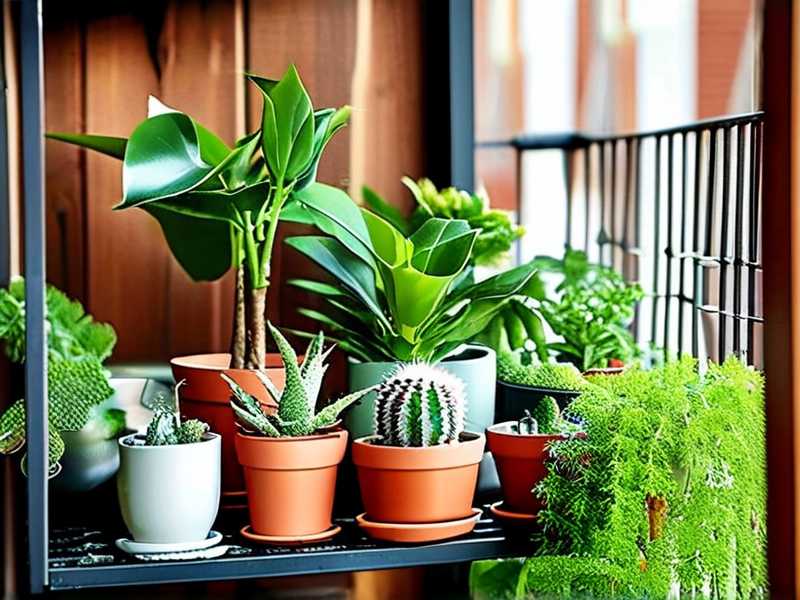
Fix 3: Create a Microclimate with Humidity and Insulation Cold air is often dry air, which further stresses succulents. While jades don't need tropical humidity, a slight buffer helps. I grouped my recovering jade with a few other houseplants. Their collective transpiration created a slightly more humid microclimate. For plants that must be near a window, a simple hack is to place a layer of bubble wrap between the pot and the cold windowsill, or even loosely around the pot's sides (not over the plant) at night for insulation. I tried this on a smaller jade in a less ideal location, and it completely prevented any further edge-browning.
Fix 4: Shield from Direct Contact with Cold Glass This is a specific but common cause of localized leaf browning. Leaves touching an icy window will freeze almost instantly. Ensure there's at least a few inches of clearance between your plant's foliage and any glass. I rotated my plant weekly to ensure all sides received equal light and no one side was perpetually in the "danger zone" near the cold pane.
Fix 5: Pause All Fertilization Feeding a stressed, dormant plant forces it to try to grow when it should be resting. This expends precious energy it needs for repair. I did not apply any fertilizer from late fall until early spring. All energy was directed internally toward healing the cut areas and sustaining core health.
The Two-Week Recovery Journal: What to Expect
Patience is the final, unlisted fix. Here’s a timeline of what I observed with my patient:
- Days 1-3: After the "surgery," the plant looked sparse but clean. The cut ends of the leaves and stems calloused over, forming dry, scab-like seals. No new browning appeared.
- Days 4-7: The plant showed no dramatic change, which was a good sign—it meant the rot had been stopped. The remaining healthy leaves felt firm and maintained their color. I resisted watering.
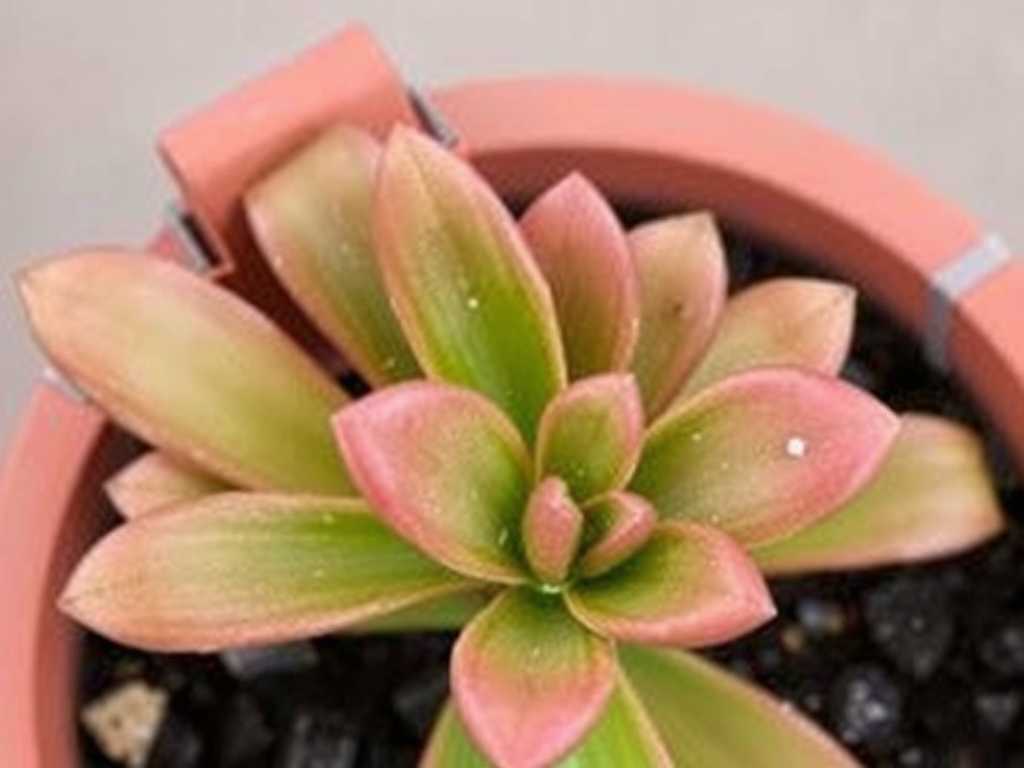
- Days 8-14: Around day 10, I gave it its first cautious, deep watering. A few days later, I noticed the tiniest, bright pinkish-red nubs appearing at the leaf nodes just below where I had done major pruning. These were new growth points! This was the definitive sign that the plant had overcome the shock and was redirecting energy to regenerate. The existing healthy leaves remained plump and green.
Common Questions from Fellow Plant Lovers
Can the brown spots on my jade plant leaves ever turn green again? No, unfortunately. The cold-damaged, browned tissue is permanently dead. It will not revert to green. The goal is to remove it to save the rest of the plant and encourage new, healthy growth to replace it over time.
My jade plant dropped many leaves after being cold. Is it dead? Not necessarily. Jade plants can drop leaves as a stress response. Check the stems. If they are still firm and have some green color, the plant is still alive. Follow the protection fixes, be patient, and hold off on water. It may take weeks or even months into spring before it shows signs of new growth.
Should I repot my jade plant right after cold damage? Absolutely not. Repotting is an additional major stressor. The plant needs stability and recovery time. Only consider repotting in the spring if the plant has recovered and is actively growing, or if you discovered root rot during the initial crisis that required immediate intervention (as I did with my overwatering mistake).
Watching those first new buds emerge on my jade was incredibly rewarding. It confirmed that these fixes aren't just theory; they are a practical, life-saving protocol. The journey from discovering those alarming brown spots to seeing vibrant new growth taught me that plant care is as much about prevention as it is about reaction. By understanding your jade's needs—strategic warm placement, minimalist winter watering, and a hands-off approach to feeding—you can build its resilience. Winter doesn't have to spell disaster. With these protective measures, you can ensure your jade plant doesn't just survive the cold months, but enters spring ready to thrive, with its lush, green beauty fully intact.