bluename
 How to Fix jade plant Leaf Yellowing from Salt: 5 Salt-Removal Fixes
Seeing your trusted jade plant develop yellowing leaves can be worrying. You’ve given it sunlight, been careful with watering, yet the problem persists. Often, the culprit isn’t a disease or a pest, but something invisible in the soil: salt buildup. Excess salts from fertilizers and hard water accumulate over time, damaging roots and preventing your plant from absorbing water and nutrients, leading to that telltale yellowing. Don’t despair. This guide provides clear, actionable steps to identify, fix, and prevent salt damage, restoring your jade plant to its vibrant, green glory.
Understanding Salt Buildup in Jade Plant Soil
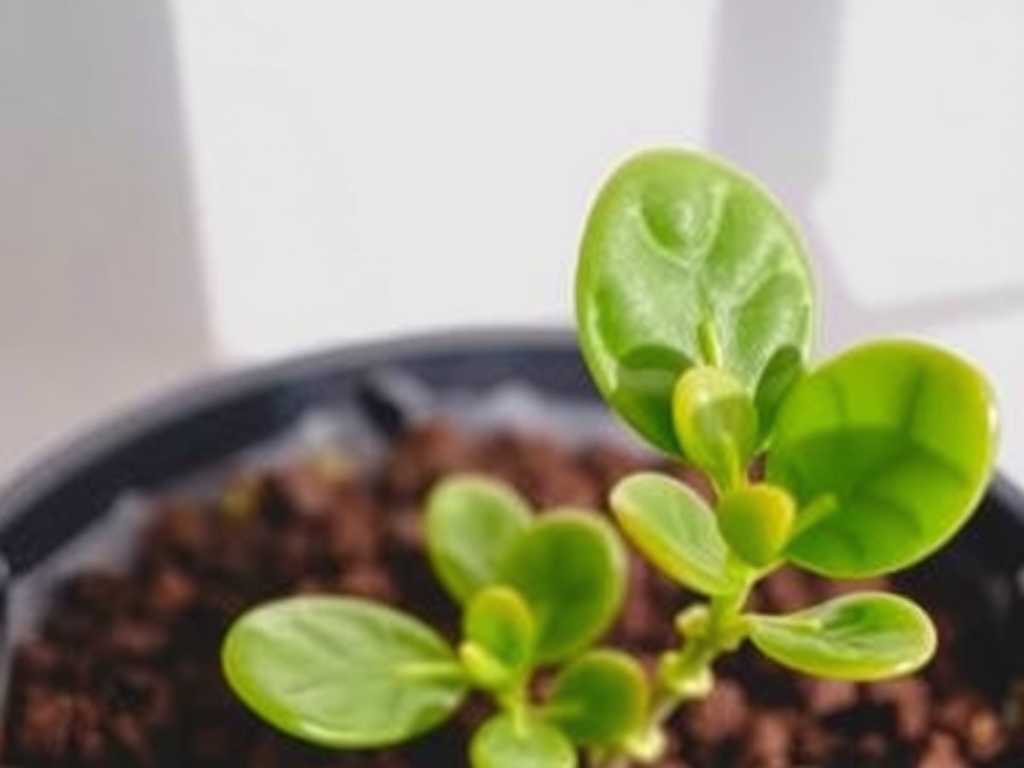
Salt accumulation is a common but overlooked issue for potted plants like the jade plant (Crassula ovata). These salts primarily come from two sources: the minerals in tap water (especially hard water) and the fertilizers we use to feed our plants. As you water, the water evaporates or is used by the plant, but the dissolved salts remain behind in the soil. Over months or years, they concentrate, creating a toxic environment for the roots.
This buildup creates a condition of high osmotic pressure, making it physically harder for roots to take up water. Essentially, the plant suffers from drought stress even when the soil is damp. The first signs are often yellowing leaves, particularly older ones, which may later turn brown and crispy at the edges or drop off. You might also see a white or yellowish crust on the soil surface or around the pot’s drainage holes and rim—this is the visible salt residue.
Diagnosing Salt-Related Yellowing
Before taking action, confirm salt is the issue. Look for these key indicators alongside yellow leaves:
- Visible Salt Deposits: A white, crystalline crust on the soil surface or clay pot.
- Watering Paradox: The soil feels moist, but the plant appears wilted or thirsty.
- Leaf Symptoms: Yellowing typically starts at the tips and edges of older, lower leaves, progressing inward. Leaves may feel limp or develop dry, brown edges.
- Stunted Growth: The plant stops putting out new growth despite adequate light.
If you observe these signs, it’s time to implement the following salt-removal fixes.
Fix 1: The Thorough Leaching Technique
Leaching is the most effective method for flushing excess salts from the soil. This process involves running a large volume of water through the potting mix, dissolving the salts, and carrying them out through the drainage holes.
- Prepare Your Plant: Take your jade plant to a sink, bathtub, or outdoor area where water can drain freely.
- Water Deeply First: Water the plant with your regular amount, allowing the soil to become fully saturated. This helps prevent the dry soil from repelling water in the next step.
- The Flush: Slowly pour a large volume of lukewarm, distilled, filtered, or rainwater over the soil. The goal is to use a volume of water equal to at least 4-5 times the volume of the pot. For example, a 1-gallon pot needs 4-5 gallons of flush water. Pour steadily, allowing the water to seep through and drain completely.
- Drain Thoroughly: Let the pot drain completely for several hours. Ensure no standing water is left in the saucer, as re-absorption would defeat the purpose.
Fix 2: Repotting with Fresh, Well-Draining Soil
For severe salt accumulation, or if leaching doesn’t revive the plant, repotting is the best solution. This gives your jade a completely fresh start.
- Gently remove the plant from its current pot. Shake off and carefully rinse away the old, salt-saturated soil from the roots with tepid water. Trim any black, mushy, or severely damaged roots with sterile pruners.
- Choose the right soil. Use a fresh, commercial succulent or cactus potting mix. These are formulated for excellent drainage. As horticulturist Dr. Linda Chalker-Scott notes, “Well-draining soil is non-negotiable for succulent health, as it prevents waterlogging and slows mineral buildup.”
- Select a clean pot with ample drainage holes. You can use the same pot after scrubbing it thoroughly to remove salt residues, or opt for a slightly larger one if the plant was root-bound.
Fix 3: Switching to Low-Salt Water Sources
Your water source is key to long-term prevention. Tap water, particularly in hard water areas, is a continuous source of salts.
- Ideal Choice: Use distilled water, rainwater, or reverse-osmosis filtered water for watering your jade plant. These have minimal mineral content.
- Practical Alternative: If using tap water is unavoidable, let it sit in an open container for 24 hours before watering. This allows some chlorine to evaporate (though it does not remove dissolved salts like calcium and magnesium). This simple step can slightly reduce the chemical load.
Fix 4: Adjusting Your Fertilization Strategy
Over-fertilization is a major contributor to salt toxicity. Jade plants are light feeders.
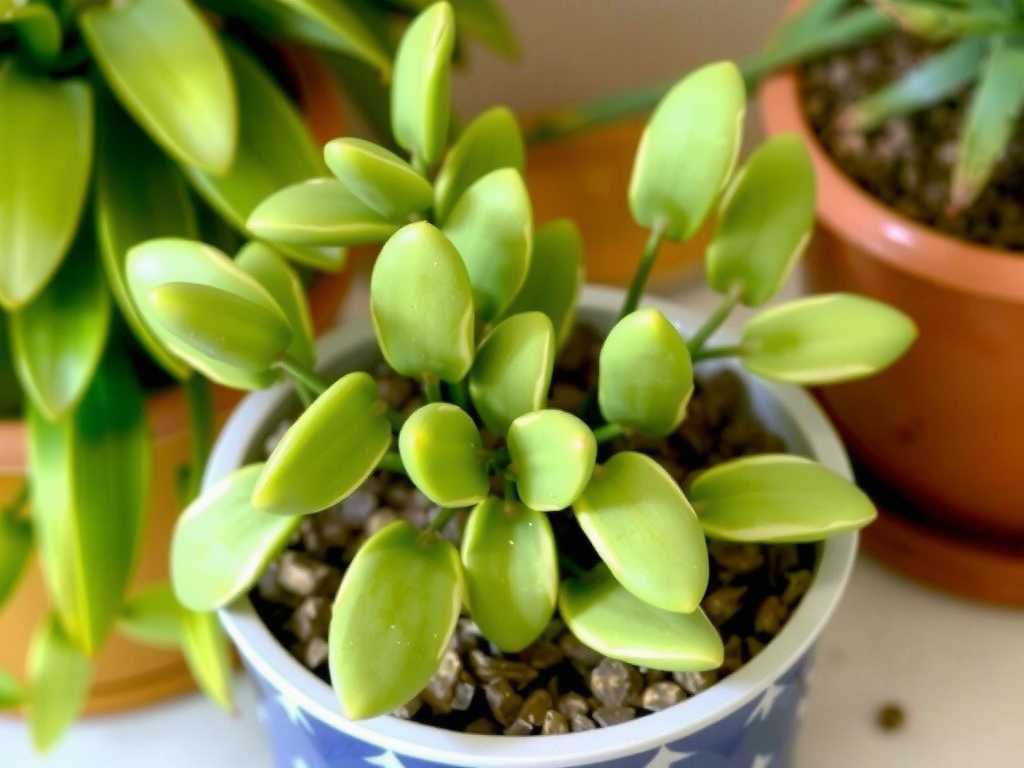
- Fertilize sparingly. Feed only during the active growing season (spring and summer) and never in fall or winter.
- Dilute heavily. Use a balanced, water-soluble fertilizer (like a 10-10-10) but dilute it to half or even a quarter of the recommended strength on the label.
- Employ the “Fertilizer Holiday.” Periodically, go 2-3 months without any fertilizer to allow the plant to use up residual nutrients and for you to perform a preventative leaching.
Fix 5: Establishing a Preventative Care Routine
Prevention is always easier than cure. Incorporate these habits to avoid future salt problems.
- Regular Flushing Schedule: Every 4-6 months, even if no crust is visible, perform a light leaching (using 2x the pot volume of water) as part of your watering routine. This prevents salts from reaching damaging levels.
- Bottom Watering Consideration: Occasionally watering from the bottom (placing the pot in a tray of water) can encourage roots to grow downward. However, always top-water periodically to flush salts from the top soil layer down and out.
- Monitor and Observe: Pay attention to the soil surface and leaf health. Early detection makes correction simple.
Why is my jade plant turning yellow even though I’m not overwatering? This is the classic sign of salt buildup or “chemical drought.” The salts in the soil create a barrier that prevents root water uptake, mimicking underwatering symptoms while the soil is still moist. Check for a white crust on the soil and consider your water and fertilizer history.
Can I just scrape off the white salt crust from the soil? Removing the visible crust is a temporary cosmetic fix but does not address the salts dissolved throughout the soil profile. It’s better to leach the entire soil mass to remove the salts from the root zone where they cause harm.
How often should I leach my jade plant to prevent yellowing leaves? As a preventative maintenance step, leaching your jade plant every 4 to 6 months is sufficient for most indoor conditions. If you use very hard tap water or fertilize regularly, you may want to do it every 3 months. Always allow the plant to drain thoroughly afterward.
Addressing jade plant leaf yellowing from salt requires a two-part approach: immediate remediation and long-term prevention. Start by flushing the soil with a thorough leaching or repotting into fresh, gritty mix. Then, commit to using purer water sources, fertilizing with a light hand, and incorporating regular preventative flushes into your care routine. Your jade plant is resilient. By removing the salt barrier and adjusting your care, you enable it to access the water and nutrients it needs, allowing those plump, green leaves to thrive once again. Consistent, mindful care is the true secret to a healthy, long-lived succulent companion.