bluename
 How to Revive Your jade plant from Salt Damage: 4 Essential Flushing Steps
You’ve noticed the warning signs: a white, crusty layer on the soil surface or the rim of your pot. Your jade plant’s leaves might be turning yellow, developing brown tips, or dropping prematurely. This isn't a simple case of overwatering or under-watering. Your plant is likely suffering from salt damage, a common but often overlooked issue for indoor succulents. This buildup of soluble salts from fertilizers and tap water can slowly poison your plant, hindering water uptake and damaging its roots. The good news is that with prompt and correct action, you can learn how to revive jade plant from salt damage and restore its vibrant health.
Understanding Salt Buildup in Potted Plants
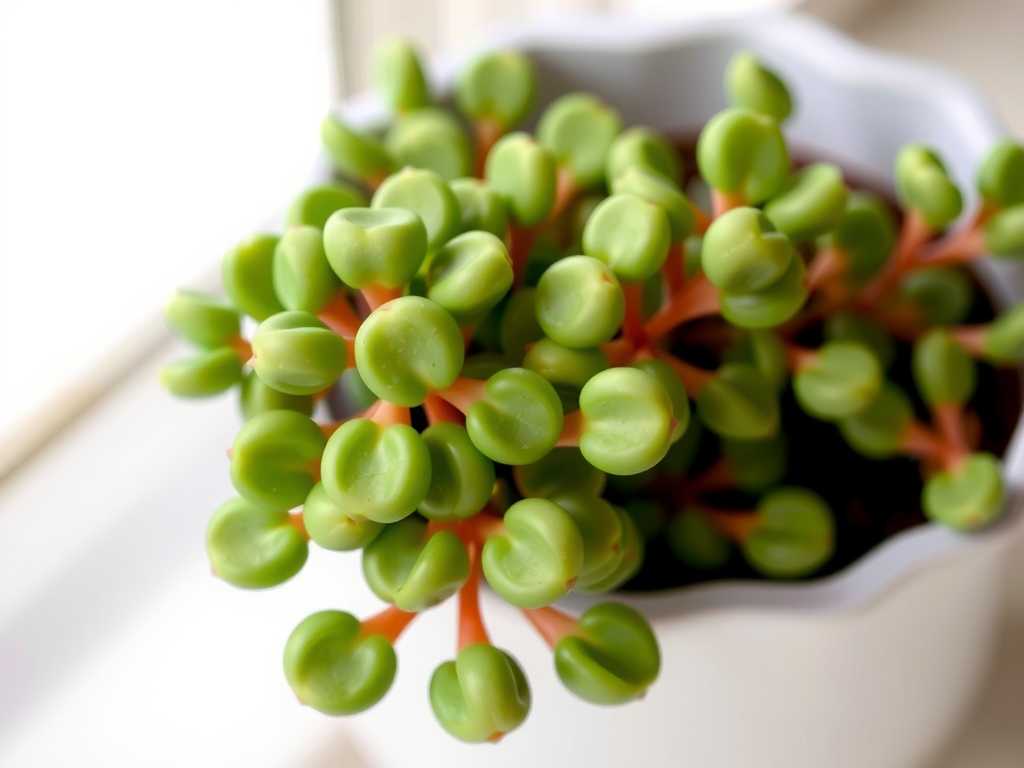
Before we dive into the rescue steps, it’s crucial to understand the enemy. Salt accumulation isn't about table salt. It refers to the dissolved minerals—like calcium, sodium, chloride, and excess fertilizer compounds—that remain in the soil after water evaporates. Over time, these salts concentrate, creating a toxic environment. They alter soil chemistry, making it harder for roots to absorb water (a condition akin to drought, even in moist soil), and can directly "burn" delicate root tissues. Recognizing this problem early is the first step toward a successful recovery.
Diagnosing Salt Damage in Your Jade Plant
How can you be sure it's salt damage? Look for these telltale symptoms:
- A visible white or yellowish crust on the soil surface or clay pot.
- Yellowing leaves, particularly starting at the edges or tips.
- Brown, crispy leaf tips and margins.
- Stunted growth or leaf drop.
- Soil that remains damp for too long, as compacted salt layers can impair drainage.
If you see a combination of these signs, it’s time to take action with the following 4 flushing steps for salt-damaged jade plants.
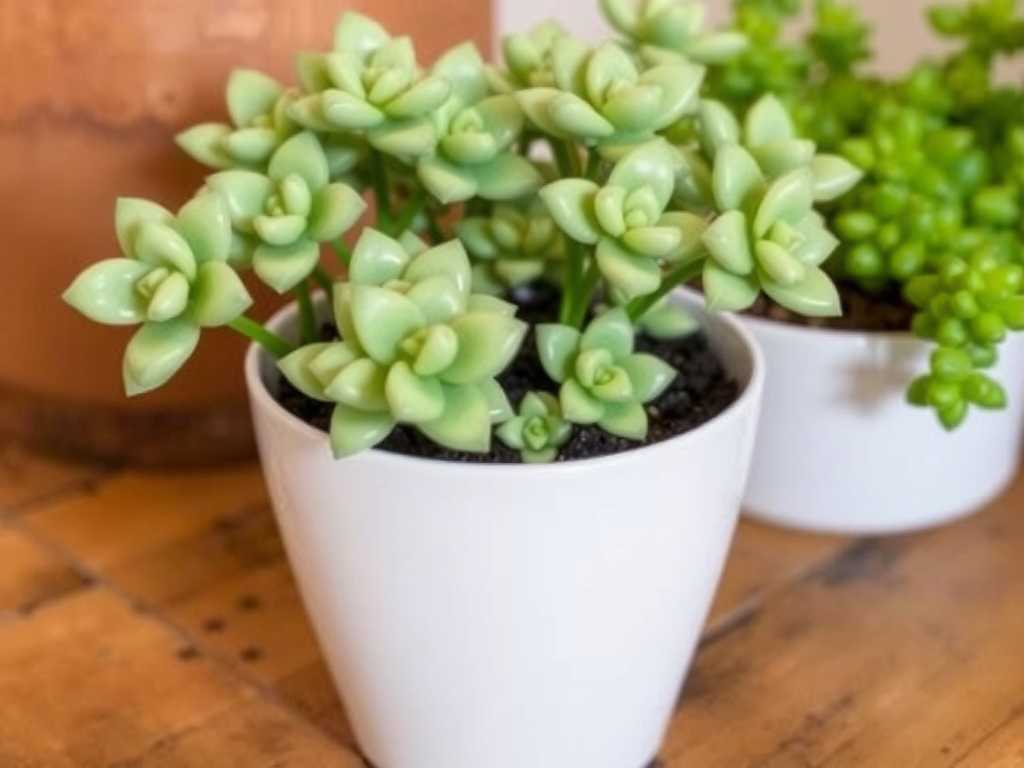
Step 1: The Initial Assessment and Preparation
First, gently remove your jade plant from its pot. Examine the root ball. Healthy jade plant roots are firm and white or light tan. Salt-damaged roots may appear brown, slimy, or brittle. Carefully shake away the old, contaminated soil. If the roots are severely rotted, you may need to trim the damaged parts with sterile scissors. However, if the damage is primarily from salt buildup without major rot, proceed to flushing. Prepare a new, clean pot with excellent drainage or thoroughly scrub the old pot to remove salt residues. Have a fresh, well-draining succulent/cactus mix ready for repotting.
Step 2: The Deep Flushing Process
This is the core technique for removing excess salts from jade plant soil. Place the root ball (with most old soil removed) in a sink or basin where water can drain freely. Slowly pour a large volume of distilled water, rainwater, or filtered water (not tap water, which adds more minerals) over the soil and roots. The goal is to use at least 3-4 times the volume of the pot. Pour slowly, allowing the water to seep through the root mass and drain out completely, carrying dissolved salts with it. This process, known as leaching, is the most effective way to dilute and wash away the accumulated salts.
Step 3: Repotting with Fresh, Appropriate Soil
After flushing, let the plant drain thoroughly for a few hours. Do not let it sit in standing water. Once excess water has drained, repot your jade plant into the fresh, dry succulent mix. As noted by horticulturist and author Debra Lee Baldwin, a specialist in succulents, "A fast-draining gritty mix is non-negotiable for jade plant health; it prevents waterlogging and slows future salt accumulation." Gently firm the soil around the roots, but avoid compacting it. Do not water immediately after repotting; this gives any minor root injuries from handling a chance to callus over and prevents rot.
Step 4: Post-Treatment Care and Prevention
Your plant has been through stress. Place it in bright, indirect light and withhold fertilizer for at least 3-4 months. Resume watering only when the top inch of soil is completely dry. To prevent future salt toxicity in jade plants, adopt these practices:
- Water Deeply and Infrequently: When you water, do so thoroughly until water runs from the drainage holes. This mimics a natural flush.
- Use the Right Water: Whenever possible, use distilled, rainwater, or filtered water for irrigation.
- Fertilize Sparingly: Dilute a balanced, water-soluble fertilizer to half-strength and only apply during the active growing season (spring/summer). A common recommendation is to fertilize no more than once a month.
- Annual Flush: Make it a habit to flush the soil of your potted jade plant once a year as preventative maintenance, even if no crust is visible.
How long does it take for a jade plant to recover from salt damage? Recovery is not instantaneous. After flushing and repotting, you may see improvement in 2-4 weeks as new growth emerges. However, existing damaged leaves (brown tips) will not heal; the plant's recovery is judged by the health of new foliage. Full recovery can take several months.
Can I use tap water to flush the salts from my jade plant? It is not ideal. Tap water contains dissolved minerals that contribute to the initial problem. Using it to flush is counterproductive. For the flushing process itself, always use distilled, filtered, or rainwater to ensure you are removing salts, not adding more.
Should I remove the leaves with brown tips after flushing? It is primarily a cosmetic decision. The brown tips themselves will not turn green again. You can snip off the browned portion for aesthetics, but avoid removing the entire leaf unless it is completely dead, as the green parts still contribute to photosynthesis.
Reviving a jade plant suffering from salt damage is a straightforward process of dilution and removal. By promptly identifying the symptoms and executing a thorough soil flush with clean water, you directly address the root cause of the distress. Coupled with repotting in fresh, gritty soil and adopting preventative watering and feeding habits, your jade plant is given the best chance to not only recover but to thrive for years to come. Patience and consistent care following these steps will reward you with a resilient and beautiful succulent.