bluename
 How to Fix jade plant Uneven Growth in Light: 5 Uniformity Hacks
You’ve nurtured your jade plant for years, but instead of a full, symmetrical crown, it’s leaning desperately toward the window. One side is lush and vigorous, while the other is sparse and stretched. This uneven growth, known as etiolation, is a direct cry for help. It’s not just an aesthetic issue; it’s a sign your plant is struggling for survival, expending energy to find light rather than thriving. The good news? This lopsided look is entirely fixable. By understanding how light affects your jade plant and implementing a few strategic hacks, you can restore balance and encourage robust, uniform growth.
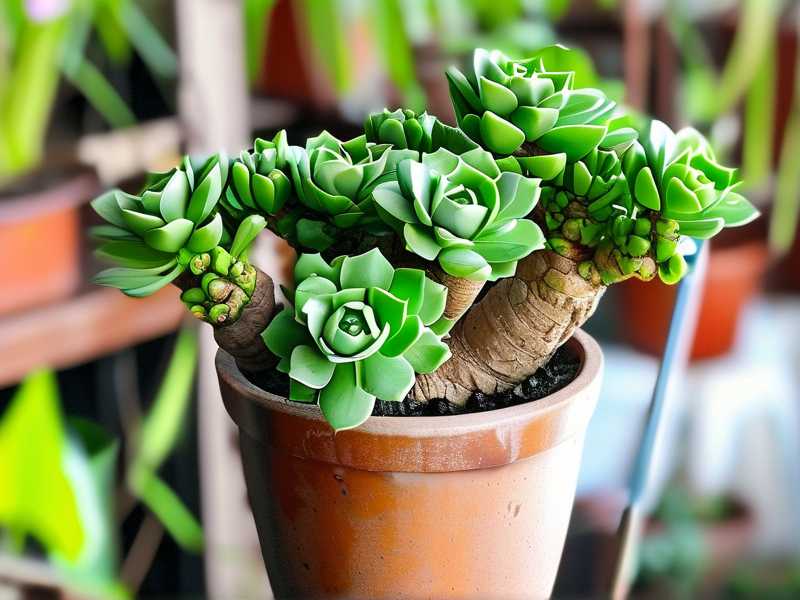
Understanding Why Your Jade Plant Grows Crooked Jade plants (Crassula ovata) are sun worshippers native to bright, arid regions. Their growth pattern is a direct response to light availability. They possess phototropism—a natural tendency to grow toward a light source. In a dim or one-sided lighting environment, stems elongate, leaves space out, and the plant contorts itself to capture every possible photon. This results in weak, leggy growth on the shaded side and a top-heavy plant prone to tipping over. Achieving symmetry is about managing this light-driven behavior proactively.
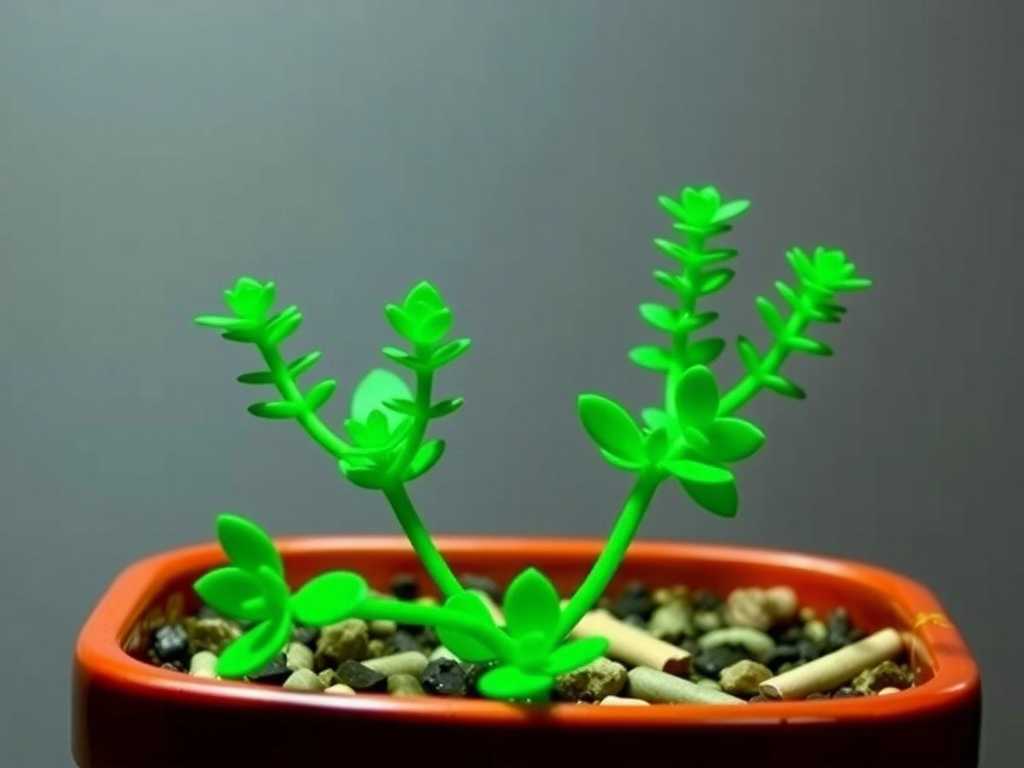
Hack 1: Master the Strategic Rotation Routine The simplest and most effective method to combat lopsided growth is regular rotation. This practice ensures all sides of your plant receive equal light exposure over time.
- The Golden Rule: Gently rotate your jade plant a quarter turn (about 90 degrees) every time you water it. Since jade plants require watering only when the soil is completely dry, this typically translates to a rotation every 2-4 weeks, aligning perfectly with their growth cycle.
- Why It Works: Consistent rotation prevents any single side from consistently being in the "best" or "worst" light position. It trains the plant to grow more evenly, as buds and leaves develop with uniform light access. Think of it as giving your plant an all-around tan.
- Pro Tip: Mark your pot with a small sticker or chalk mark on the side that initially faces away from the light. This simple visual cue ensures you never forget which way to turn it next.
Hack 2: Optimize and Assess Your Light Source Rotation only works if the primary light source itself is sufficient. Often, uneven growth is compounded by overall low light.
- Ideal Light Conditions: Jade plants crave bright, indirect light for at least 4-6 hours daily. A south or west-facing window is often ideal. Direct morning sun is excellent, but harsh afternoon rays through a south window might scorch leaves, so observe your plant’s response.
- Conduct a Light Audit: Spend a day observing how light moves through your room. Does that bright spot only last for two hours? Is the light heavily filtered by a tree or building? As noted by horticulturist and author Jane Perrone in her studies on houseplant care, "The human eye is poor at judging light levels for plants. What looks bright to us can still be insufficient for a high-light succulent." Consider using a light meter app to get a more accurate reading.
- The Upgrade: If your window light is weak or one-directional, it’s time to introduce a grow light. This is a game-changer for achieving uniform jade plant development.
Hack 3: Implement Supplemental Grow Lighting For rooms with poor natural light or to perfectly correct asymmetry, a grow light is the ultimate tool. It provides a consistent, controllable light source that can be positioned for maximum benefit.
- Choosing and Positioning: Select a full-spectrum LED grow light. For correcting uneven growth, position the light directly above the plant. This mimics the sun’s natural overhead path and encourages upright, even growth from all sides. If overhead mounting isn’t possible, place the light on the weaker side of the plant to "fill in" the deficit and stimulate growth there.
- Light Schedule: Use a timer to provide 6-8 hours of supplemental light daily, ensuring consistency. This reliable schedule eliminates the plant’s need to "reach" for unpredictable light.
Hack 4: The Corrective Pruning and Propagation Strategy For a severely lopsided plant, rotation and better light are long-term solutions. Pruning is the direct intervention that reshapes your plant now.
- How to Prune for Balance: In the active growing season (spring/summer), use clean, sharp shears to cut back leggy stems. Make your cuts just above a pair of leaves (a "node"). This encourages the plant to branch out from that point, creating a bushier, more balanced form. Prioritize cutting longer stems on the more vigorous side to allow the weaker side to catch up.
- Don’t Waste the Cuttings: Those pruned stems are new plants in waiting! Let the cut end callous over for a few days, then plant it in well-draining soil. This practice of jade plant propagation from cuttings not only gives you more plants but also allows you to start fresh with perfect light discipline from day one.
Hack 5: Seasonal Adjustments and Repotting for Stability Your plant’s environment isn’t static, and your care shouldn’t be either. Light angles change with the seasons, affecting intensity and direction.
- Seasonal Shifts: The low winter sun may shine deeper into a room, while summer sun might be more overhead. Be prepared to adjust your plant’s location or rotation frequency with the seasons. It might need to be closer to the window in winter or slightly farther back in summer.
- Repotting for a Fresh Start: If your plant is severely leaning and unstable, repotting offers a chance to reposition it. When you repot (every 2-3 years), you can plant the jade more centrally in its new pot and gently stake the main stem upright while its roots re-establish. Use a heavy, terracotta pot with a wide base to act as a counterweight against top-heavy, uneven growth.
FAQ
How often should I rotate my jade plant for even growth? Aim to rotate your plant a quarter turn (90 degrees) each time you water it. For most jade plants, this means a rotation every 2 to 4 weeks, which aligns perfectly with their slow-growing, drought-tolerant nature and prevents any side from being permanently shaded.
Can a jade plant recover from leggy, uneven growth? Absolutely. While the already elongated stems won’t shorten, you can correct the plant’s future growth and overall shape. By providing adequate, even light and employing corrective pruning, you encourage new, compact growth. The plant will become fuller and more balanced over time, making the old leggy stems less noticeable as part of a denser structure.
What is the best type of light to prevent jade plant leaning? Bright, indirect sunlight is the gold standard. A south or west-facing window is typically ideal. If natural light is insufficient or one-sided, a full-spectrum LED grow light placed directly above the plant is the most effective solution to promote perfectly upright and uniform growth, eliminating the cause of the lean.
Achieving a perfectly symmetrical jade plant is a rewarding testament to attentive care. It moves beyond basic survival into the realm of cultivating a truly healthy, beautiful specimen. The journey from lopsided to lush is built on consistency—the consistent practice of rotation, the consistent provision of bright light, and the consistent response to your plant’s cues. Start with a simple quarter-turn at watering time, assess your light quality, and don’t be afraid to prune for shape. With these focused strategies, you’ll transform your jade from a desperate light-seeker into a balanced, thriving centerpiece of your indoor garden.