bluename
 How to Cure jade plant Root Rot Fast: 3 Rapid Rescue Fixes
That beautiful, plump jade plant you’ve nurtured for years is suddenly looking sad. Its leaves are turning yellow, becoming soft and mushy, or dropping off entirely. The soil smells musty, and the stems feel suspiciously soft at the base. If this sounds familiar, your plant is likely sending a desperate SOS signal for the most common and dangerous houseplant ailment: root rot. Don’t panic. While it’s a serious condition, learning how to cure jade plant root rot fast is entirely possible with immediate and decisive action. This guide provides three rapid rescue fixes to save your succulent friend and restore it to vibrant health.
Understanding the Enemy: What is Jade Plant Root Rot?
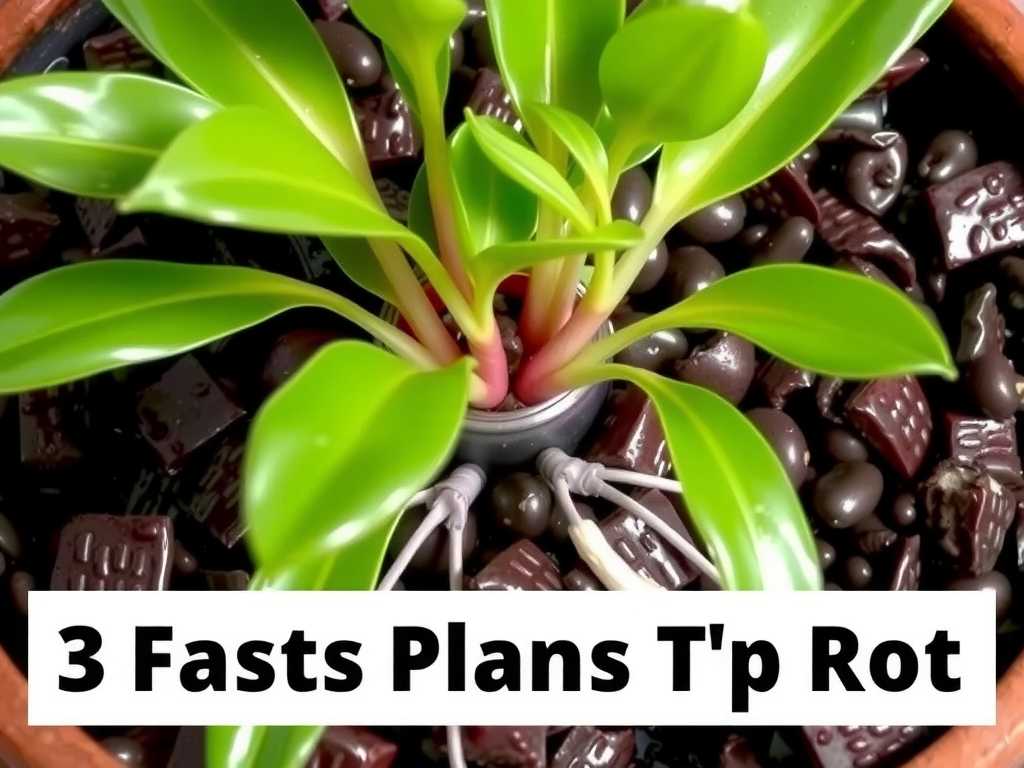
Before we dive into the rescue missions, it’s crucial to understand what you’re fighting. Root rot is primarily a fungal disease caused by pathogens like Pythium, Phytophthora, or Rhizoctonia. These fungi thrive in consistently wet, poorly-draining soil, attacking and decaying the plant’s root system. Ironically, the main cause is almost always overwatering or an inappropriate potting mix, not a mysterious blight. The roots suffocate and die, unable to absorb water or nutrients, which then causes the tell-tale symptoms in the leaves and stems above the soil. Acting within the first few days of noticing symptoms dramatically increases your chance of a full recovery.
The 3 Rapid Rescue Fixes for a Rotting Jade Plant
Time is of the essence. Choose the fix that matches the severity of your plant’s condition, moving to the next step if the damage is more extensive than initially thought.
Fix #1: The Immediate Intervention for Early Signs
This method is your first line of defense when you suspect rot but the plant still has firm stems and mostly firm leaves.
Stop Watering Immediately Your first action is the simplest: put the watering can down. Allow the potting mix to dry out completely. For a jade plant, this means the soil should be bone-dry several inches down. Move the plant to a bright, airy location with good circulation to accelerate drying. This step alone can halt the progression of minor, early-stage rot.
Assess the Soil and Drainage While the soil dries, investigate the cause. Is the pot sitting in a saucer of water? Does the pot have adequate drainage holes? Is the potting mix a heavy, moisture-retentive garden soil? As noted by horticulturist and author Jane Perrone, "Succulents like jade plants need a gritty, free-draining mix almost more than they need sunlight." If your mix is wrong, you’re setting the stage for a repeat disaster. Prepare for a repot into a proper succulent mix after the rescue.
Fix #2: The Surgical Repot for Moderate Damage
If the leaves are consistently yellowing/softening or the stems are slightly soft at the very base, it’s time for more direct action. This fast root rot treatment for jade plants involves a complete root inspection and repotting.
Step 1: Unpot and Inspect Gently remove the plant from its pot. Carefully shake and brush away the old soil to expose the root ball. Healthy jade plant roots are firm and white or light tan. Rotted roots are dark brown or black, mushy, and may fall apart to the touch. They often have a distinct, unpleasant odor.
Step 2: Perform Root Surgery This is the critical step. Using sterilized scissors or pruning shears (wipe with rubbing alcohol), cut away every single rotten root. Be ruthless. Cut back to healthy, firm tissue. If the rot has traveled up the stem (becoming stem rot), use a sterile knife to carve out all the soft, discolored tissue until you see only clean, green flesh. This effective method to save a rotting jade succulent removes the disease and prevents its spread.
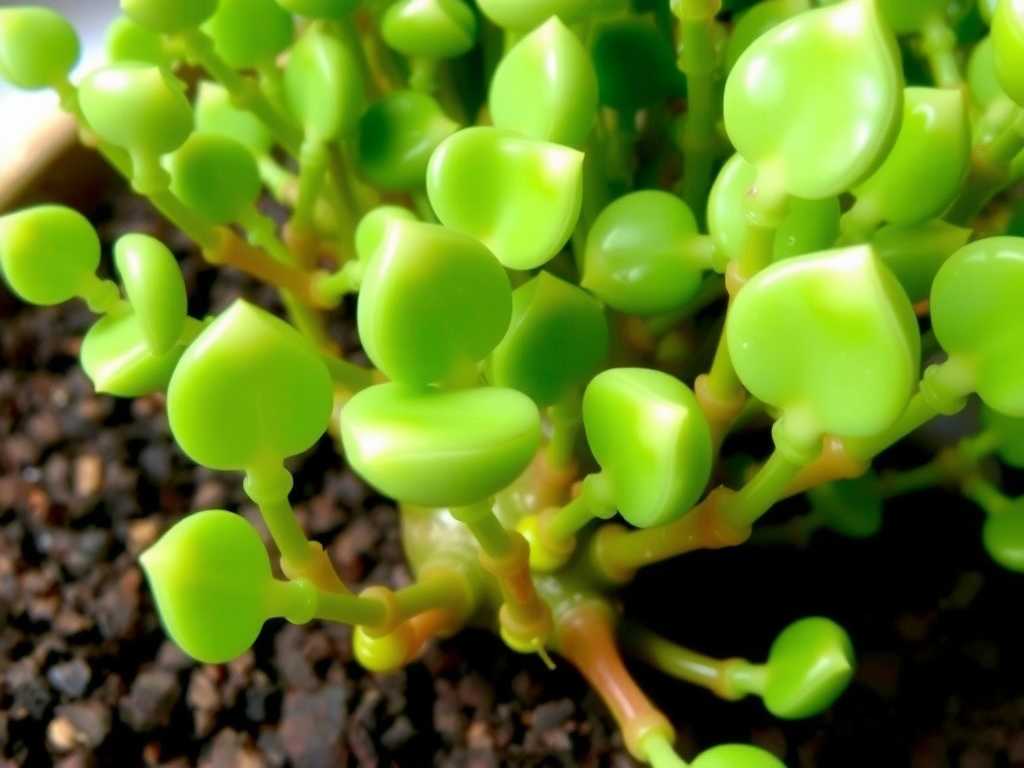
Step 3: Disinfect and Dry After pruning, some experts recommend dusting the cut roots with sulfur powder or cinnamon (a natural antifungal) to protect the wounds. Then, let the plant air dry in a shaded, well-ventilated spot for 24-48 hours. This callousing period is vital; it seals the wounds and prevents new fungal attacks when planted.
Step 4: Repot in a Fresh, Fast-Draining Home Take a clean pot (sterilized with a 10% bleach solution if reusing) with excellent drainage holes. Fill it with a fresh, commercial cactus/succulent potting mix. For even better drainage, you can amend it with extra perlite or pumice (a 2:1 mix of potting soil to grit). Plant your jade at the same depth it was before, and do not water it yet.
Step 5: The Post-Op Care Place the repotted plant in bright, indirect light. Wait at least one week before giving it a light watering. This pause encourages the roots to seek out moisture and begin new growth. Resume a deep-but-infrequent watering schedule only when the soil is completely dry.
Fix #3: The Last-Ditch Propagation for Severe Rot
When the rot is extensive—most roots are gone and the main stem is soft and blackened—the original plant may be unsalvageable. However, jade plants are remarkably resilient. Your rapid rescue now shifts to saving healthy parts of the plant through propagation.
Salvage What You Can Using sterile tools, cut off any remaining healthy, firm, green stems or plump leaves. Ensure cuttings are 2-4 inches long for stems. Discard all rotted material.
Let Cuttings Callous Just like in Fix #2, allow the cut ends of your stems and leaves to dry and form a callus for several days in a dry, shaded spot. This prevents rot from starting in your new plants.
Propagate for a New Generation For stem cuttings: Once calloused, plant them upright in a dry succulent mix. Do not water for a week, then lightly moisten the soil. Roots will develop in a few weeks. For leaves: Simply lay the calloused leaves on top of dry soil. Tiny new plants and roots will sprout from the base in time. This method doesn’t save the original plant, but it saves its genetic legacy, allowing you to save your jade plant from root decay and grow multiple new, healthy plants.
Preventing Future Root Rot: The Golden Rules
A successful rescue is only half the battle. Preventing a recurrence is key.
Master the "Soak and Dry" Watering Method. Never water on a schedule. Instead, water deeply only when the soil is 100% dry all the way to the bottom of the pot. In winter, this could mean watering only once a month or less. Use Terracotta Pots and Gritty Mix. Terracotta pots wick away excess moisture. Combine this with a well-draining succulent mix to create the ideal, dry environment jade roots crave. Ensure Ample Light and Airflow. A strong plant is a resilient plant. Provide several hours of bright, direct sunlight daily and good air circulation to keep the soil surface dry.
What are the first signs of jade plant root rot? The earliest signs are often soft, slightly translucent, or yellowing leaves at the bottom of the plant. The leaves may feel mushy and drop easily. The soil may stay wet for too long and develop a sour or musty smell. The stems may begin to feel soft or look darkened near the soil line.
Can a jade plant recover from root rot? Yes, absolutely. Jade plants are tough succulents and can make a full recovery if the rot is caught early and the affected roots are completely removed. Even in severe cases, propagation from healthy cuttings is a highly successful way to "recover" the plant.
How long does it take to recover from root rot? After a successful surgical repot (Fix #2), you may see the plant stop declining and stabilize within 1-2 weeks. New root and leaf growth, indicating full recovery, typically begins within 1-2 months. Patience is crucial; avoid the temptation to overwater during this period.
Watching your jade plant suffer from root rot is distressing, but it is a fixable problem. The key is speed, proper diagnosis, and decisive action. Whether you implement an immediate dry-out, perform a surgical repot, or start anew through propagation, you have the tools to rescue your plant. By combining these rapid fixes with preventative care—mastering watering, using the right soil and pot, and providing optimal light—you can ensure your jade plant thrives for decades to come, its roots healthy and secure.