bluename
 How to Eliminate jade plant Thrips Fast: 3 Quick-Remedy Hacks
You’ve nurtured your jade plant for years, admiring its plump, glossy leaves and sturdy presence. But lately, something’s off. You notice silvery streaks, tiny black specks, and leaves that look dusty or deformed. Upon closer inspection, you see minute, slender insects darting away. Your plant is under siege by thrips. These tiny pests can silently wreak havoc, stunting growth and ruining the majestic appearance of your succulent. The frustration is real—you need a solution, and you need it fast before the infestation spreads. This guide cuts straight to the chase, offering three proven, quick-remedy hacks to eliminate jade plant thrips effectively and restore your plant’s health.
Understanding Your Enemy: Jade Plant Thrips
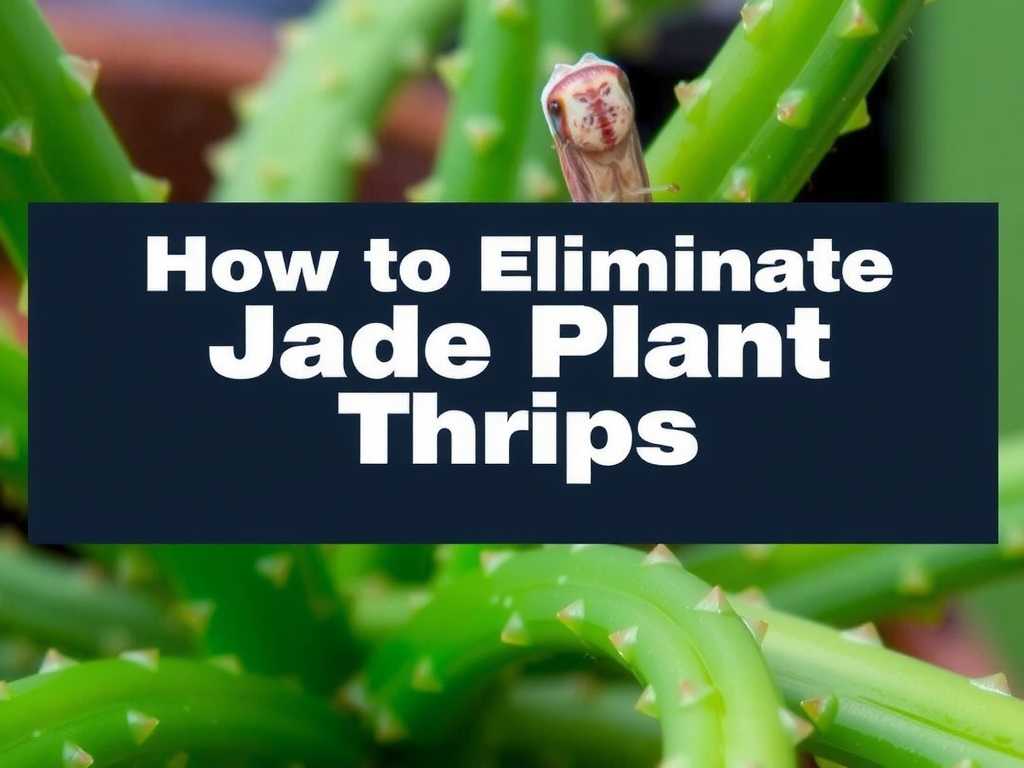
Before diving into the remedies, a quick identification is crucial. Thrips are tiny, slender insects, often no larger than 1-2 mm. They can be yellow, black, or brown. They rasp plant tissue and suck out the sap, leaving behind telltale signs: silvery-white speckles or streaks, stippled leaves, black fecal spots, and distorted new growth. Catching them early is key to a fast elimination.
The 3 Quick-Remedy Hacks for Fast Results
These methods are designed for speed and efficacy, moving from immediate action to longer-term protection.
Hack 1: The Immediate Blast & Wipe-Down
This is your first response for a visible, active infestation. The goal is to physically remove and kill a significant portion of the adult thrips and larvae on contact.
- Step 1: Isolate the Plant. Immediately move your jade plant away from other houseplants. Thrips can fly weakly and will spread quickly.
- Step 2: Prepare Your Spray. Use a strong stream of lukewarm water. For added potency, mix in a few drops of mild liquid soap (like castile soap) or an insecticidal soap. The soap breaks down the insects’ protective coating.
- Step 3: Blast and Wipe. Take the plant to a sink, shower, or outdoors. Gently but thoroughly spray the entire plant, focusing on the undersides of leaves and stem crevices where thrips hide. Follow up by wiping each leaf, top and bottom, with a soft cloth dipped in your soapy water solution. This physically dislodges and removes eggs and remaining pests.
- Step 4: Dry and Inspect. Let the plant dry in a warm, airy spot away from direct sun. Repeat this process every 3-4 days for two weeks to break the life cycle, as eggs will continue to hatch.
Hack 2: The Sticky Trap & Soil Drench Combo
This hack tackles both airborne adults and soil-dwelling larvae/pupae, a stage often missed. Entomologist Dr. Eleanor Vance notes, “A holistic approach that addresses all life stages—foliar and soil—is critical for rapid and complete thrips control.”
- Step 1: Deploy Blue Sticky Traps. Thrips are particularly attracted to the color blue. Place sticky traps close to the foliage of your jade plant. These will catch flying adult thrips, monitoring and reducing the population. Replace traps when covered.
- Step 2: Apply a Soil Drench. This is the secret weapon. Many thrips species pupate in the soil. Mix a solution of systemic insecticide for succulents labeled for thrips (containing ingredients like spinosad or imidacloprid, used strictly as directed) or a natural alternative like diluted neem oil solution. Water the soil thoroughly with this mix. The plant absorbs the solution, making its sap toxic to sucking pests, and it also kills larvae in the growing medium. This provides residual protection from the inside out.
Hack 3: The Neem Oil & Diatomaceous Earth Barrier
This is an excellent organic and persistent one-two punch for ongoing control and prevention.
- Step 1: Apply Neem Oil Foliar Spray. Neem oil is a potent natural insecticide and repellent. Mix pure neem oil with water and a drop of soap as an emulsifier. Spray the jade plant thoroughly, coating all surfaces. Neem disrupts the feeding and reproductive cycles of thrips. Apply in the evening to prevent potential leaf sunburn and reapply weekly for at least a month.
- Step 2: Create a Soil Barrier with Diatomaceous Earth (DE). Food-grade DE is a fine powder made from fossilized algae. Its microscopic sharp edges pierce the exoskeletons of insects, causing dehydration. After letting the soil surface dry completely, lightly dust a ring of DE on top of the potting mix. This creates a hostile barrier for any thrips trying to enter or exit the soil. Reapply after watering.
Preventing Future Thrips Infestations
After eliminating the pests, keep them from returning. Regularly inspect new plants in quarantine before introducing them to your collection. Maintain good air circulation around your jade plant and avoid over-fertilizing with high-nitrogen formulas, which can promote the tender growth thrips love. A healthy, moderately fertilized jade plant is more resilient.
How can I tell if my jade plant has thrips or spider mites? While both cause stippling, spider mites produce fine webbing, usually on the undersides of leaves or between stems. Thrips damage often appears as more pronounced silvery streaks and leaves black, varnish-like fecal spots. Thrips themselves are longer and more mobile than the nearly microscopic spider mites.
Are thrips on jade plants harmful to humans or pets? Thrips do not bite or harm humans or pets. They are strictly plant pests. However, always ensure any insecticidal products you use are safe for indoor application around your household members, following all label instructions.
My jade plant lost many leaves after the infestation. Will it recover? Jade plants are remarkably resilient succulents. If the main stem and roots are healthy, it will very likely recover. Remove any severely damaged leaves to direct energy to new growth. Ensure it receives adequate bright, indirect light and practice careful watering (allowing soil to dry completely between waterings) to support its comeback. New growth will be a sign of successful recovery.
Swift action combined with a thorough approach targeting all life stages is the key to saving your jade plant. By employing the quick blast, the sticky trap and soil drench combo, or the organic neem and DE barrier, you interrupt the thrips’ lifecycle decisively. Consistency in follow-up applications is crucial, as is preventative care. With these targeted hacks, you can eliminate jade plant thrips fast and ensure your resilient succulent continues to thrive for years to come.