bluename
 How to Cure jade plant Bacterial Blight Fast: 3 Rapid Fixes
You've nurtured your jade plant for years, watching it grow from a tiny succulent into a sturdy, tree-like companion. Its glossy, jade-green leaves are a point of pride. So, when you first notice those ominous, water-soaked spots on the leaves, a sinking feeling sets in. They spread quickly, turning leaves mushy and brown, sometimes with a yellow halo. This isn't just overwatering—this is jade plant bacterial blight, a fast-moving infection that can devastate your plant if not acted upon immediately. The good news? You can stop it. This guide delivers three rapid, actionable fixes to cure jade plant bacterial blight and restore your plant's health.
Understanding the Enemy: What is Jade Plant Bacterial Blight?
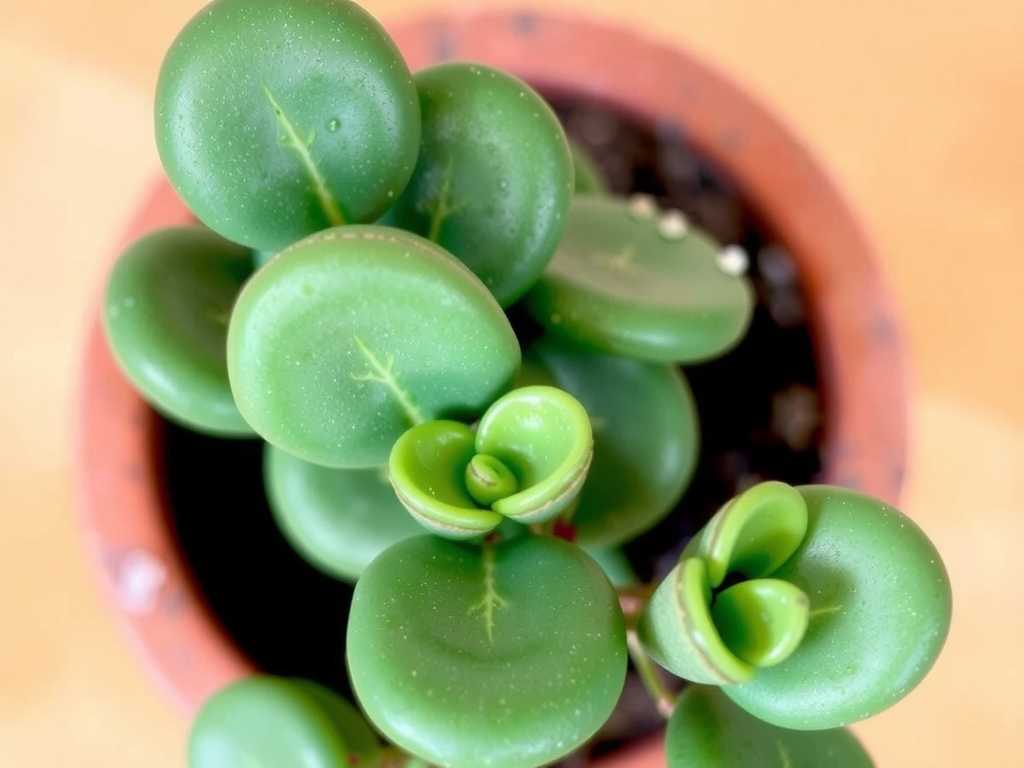
Before we jump into the fixes, knowing your adversary is crucial. Bacterial blight in jade plants is typically caused by pathogens like Pectobacterium (formerly Erwinia). These bacteria thrive in warm, wet conditions and enter the plant through wounds or natural openings. Unlike fungal issues, bacterial spots often appear soggy, almost translucent, and can rapidly cause the leaf or stem to collapse into a soft, rotten mess. Speed is your greatest ally here, as the disease can progress from a few spots to widespread damage in a matter of days.
Fix #1: Immediate Isolation and Surgical Removal
The moment you suspect bacterial blight, your first step is containment. This is the most critical step in learning how to treat jade plant leaf spot disease caused by bacteria.
- Isolate the Plant: Immediately move the infected jade plant away from all other houseplants. Bacterial blight is highly contagious and can spread via water splashes, touch, or even contaminated tools. Place it in a separate room if possible.
- Sterilize Your Tools: Use a sharp knife, pruning shears, or scissors. Sterilize the blades thoroughly by wiping them with rubbing alcohol (isopropyl alcohol) or passing them through a flame. You must do this before and after every single cut to prevent spreading the bacteria.
- The Removal Process: Carefully remove all affected leaves and stems. Cut not just the visibly damaged part, but include a small margin of healthy-looking tissue (about half an inch) to ensure you've removed all infected cells. For stems with soft rot, cut back until you see completely clean, firm, white or green tissue inside.
- Dispose, Don't Compost: Place all removed plant parts directly into a sealed plastic bag and throw it in the trash. Do not compost this material, as the bacteria may survive.
Fix #2: Environmental Control and Drying Out
Bacteria need moisture to multiply. By altering the plant's environment, you create hostile conditions for the pathogen, a key strategy for effective jade plant disease control.
- Stop Watering Immediately: Let the soil dry out completely. For jade plants, this is often the best medicine. Stick your finger deep into the soil; it should be bone-dry before you consider watering again.
- Increase Airflow: Place the isolated plant in an area with excellent air circulation. Use a gentle fan on a low setting to keep air moving around the plant, which helps leaves and soil surface dry faster. Avoid placing it in a stagnant, humid corner.
- Maximize Light: Ensure the plant receives plenty of bright, indirect light. Strong light helps the plant strengthen its defenses and dries the foliage. Avoid intense direct midday sun while it's stressed, as this could cause sunburn.
- Water from Below: When it's finally time to water again (after the soil is completely dry), water from the bottom. Place the pot in a saucer of water for 15-20 minutes, allowing the soil to soak up moisture. This keeps the leaves and stem base dry, depriving bacteria of the wet surface they need.
Fix #3: Application of Bactericidal Treatments
While there are no true "cures" for systemic bacterial infections in plants, specific treatments can help kill surface bacteria and protect wounded areas after surgery. It's vital to manage expectations; these are aids, not miracles, and work best with Fixes 1 and 2.
- Copper-Based Bactericides: Products containing copper octanoate or copper sulfate are widely recommended for bacterial issues on succulents. After removing all infected parts, spray the entire plant—stems, remaining leaves, front and back—thoroughly with the copper fungicide/bactericide. It leaves a protective coating. Follow the label instructions precisely and repeat as directed, usually every 7-10 days.
- Natural Alternatives: Hydrogen Peroxide & Cinnamon: For a less aggressive approach, a diluted hydrogen peroxide solution can help. Mix one part 3% hydrogen peroxide with four parts water. Spray it lightly on the plant and soil surface. It fizzes as it contacts bacteria, providing an oxygen boost to the roots. After making cuts during pruning, you can also dab the fresh wounds with ground cinnamon—a natural antifungal and antibacterial agent that helps seal the cut.
- The Importance of Soil Health: Sometimes, the bacteria linger in the soil. If the infection was severe or keeps recurring, consider repotting. Gently remove the plant, shake off all the old soil, and replant it in a fresh, well-draining succulent/cactus mix. Use a clean, sterilized pot.
Preventing Future Outbreaks of Jade Plant Bacterial Blight
Once your plant is on the mend, prevention is key. Consistent care is your best defense against having to search for "how to cure jade plant bacterial blight fast" again.
- Master the Watering Schedule: Overwatering is the primary cause of stress that leads to disease. Water only when the soil is completely dry, and less frequently in winter.
- Ensure Perfect Drainage: Always use a pot with a drainage hole and fast-draining soil. Soggy soil is an invitation for root rot and bacterial problems.
- Avoid Leaf Wetness: When watering, aim for the soil, not the leaves. If leaves get dusty, wipe them with a dry cloth instead of misting.
- Quarantine New Plants: Always isolate new plants for a few weeks before placing them near your existing collection to prevent introducing pests or diseases.
Can a jade plant recover from bacterial blight? Yes, absolutely. Jade plants are remarkably resilient. With prompt action using the rapid fixes outlined—immediate removal of infected parts, environmental drying, and supportive treatments—a jade plant can make a full recovery and continue to thrive for many years.
Is bacterial blight contagious to other plants? Yes, it is highly contagious. The bacteria can spread through water droplets, on hands, or via contaminated tools. This is why immediate isolation of the infected plant and thorough tool sterilization are non-negotiable first steps in the process.
What's the difference between bacterial blight and overwatering symptoms? While both can cause soft, mushy leaves, overwatering typically leads to generalized yellowing and droopiness, often starting with lower leaves. Bacterial blight presents as distinct, spreading, water-soaked spots or lesions that can appear anywhere on the plant and rapidly turn necrotic (brown/black). Overwatering weakens the plant and makes it susceptible to blight, but the spotty, infectious spread is the key identifier.
Bacterial blight on your jade plant can be alarming, but it is a manageable crisis. Success hinges on your speed and thoroughness. The three-part strategy of immediate surgical removal, creating a dry and breezy environment, and using protective bactericidal treatments provides a comprehensive path to salvation. Remember, the resilient nature of the jade plant is on your side. By adopting the preventative care habits of careful watering and excellent drainage, you can safeguard your succulent companion against future outbreaks, ensuring it remains a vibrant and healthy part of your home for a long time to come.