bluename
 How to Fix jade plant Dry & Cracked Leaves: 4 Moisture-Restoring Solutions
Seeing your beloved jade plant develop dry, cracked leaves can be alarming. This classic sign of distress is a clear cry for help, often pointing directly to moisture imbalance. Whether from underwatering, environmental stress, or root issues, those parched, brittle leaves indicate your plant is struggling to retain the hydration it needs to stay plump and healthy. The good news is that with prompt and correct action, you can restore your jade plant’s vitality. This guide will walk you through four proven, moisture-restoring solutions to fix dry and cracked leaves and prevent them from returning.
Understanding Why Jade Plant Leaves Get Dry and Cracked
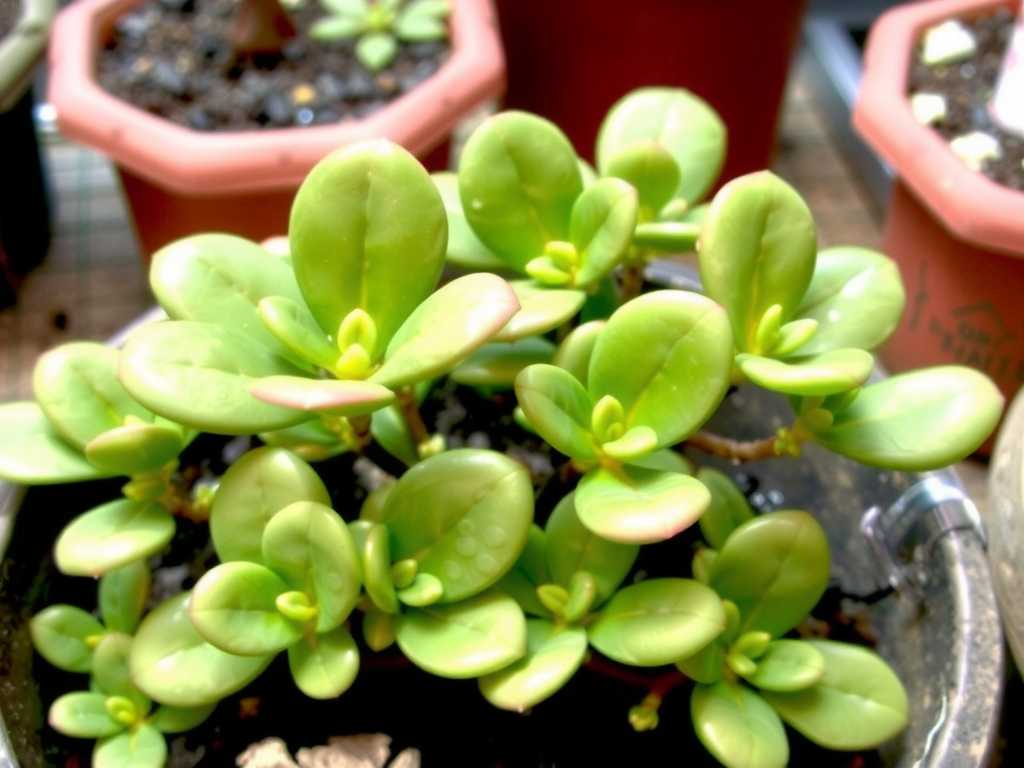
Before applying fixes, it's crucial to diagnose the root cause. Jade plants (Crassula ovata) are succulents, storing water in their thick, fleshy leaves and stems. Dry, cracked leaves typically signal that the plant's internal water reserves have been depleted. The cracking occurs as the leaf tissue shrinks and loses its elasticity. The primary culprits are often related to watering practices or the plant's surroundings.
The most common cause is chronic underwatering. While drought-tolerant, jade plants still need periodic deep watering. If the soil becomes completely bone-dry for too long, the plant will use up its stored water, causing leaves to shrivel and crack. Conversely, overwatering can lead to root rot, which destroys the roots' ability to absorb water, ironically causing similar above-ground symptoms of dehydration.
Environmental factors play a huge role. Low humidity, especially during winter when indoor heating runs constantly, can sap moisture directly from the leaves. Excessive direct sunlight, particularly hot afternoon sun, can scorch leaves, causing them to dry out and crack. Finally, temperature extremes or drafts from vents and windows can create stressful conditions that accelerate moisture loss.
Solution 1: The Thorough, Deep Watering Technique
If the soil is extremely dry and pulling away from the pot's edges, your plant needs a proper soak. The goal is to rehydrate the root ball thoroughly, encouraging the plant to replenish its leaf reserves.
First, check the soil moisture. Insert your finger about two inches deep. If it feels completely dry, it's time to water. Take your jade plant to a sink or basin. Water the soil slowly and evenly with room-temperature water until you see water flowing freely from the drainage holes. This ensures the entire root zone is reached.
Allow the pot to drain completely for 15-20 minutes. Never let the plant sit in a saucer of standing water, as this can lead to root rot. The key is to mimic a natural, infrequent downpour. After this deep watering, return to a regular schedule only when the top 1-2 inches of soil are dry again. Horticulturist and author Jane Perrone emphasizes, "With succulents like jade plants, the 'soak and dry' method is non-negotiable. It promotes strong root growth and prevents the cyclical stress that leads to leaf cracking."
Solution 2: Optimizing Humidity and Environmental Conditions
Sometimes, watering correctly isn't enough if the air is too arid. Increasing ambient humidity can help your jade plant retain moisture in its leaves.
A simple and effective method is to use a pebble tray. Fill a shallow tray with small pebbles and add water until it's just below the top of the stones. Place your plant pot on top. As the water evaporates, it creates a localized humid microclimate around the plant. Ensure the pot's base is not sitting directly in water.
Consider relocating your plant away from direct heat sources like radiators, fireplaces, or air vents. These create hot, dry air that rapidly dehydrates leaves. Provide bright, indirect light instead of harsh, full afternoon sun. A spot near an east-facing window is often ideal. For rooms with very low humidity, grouping several plants together can create a shared, more humid atmosphere as they collectively release moisture through transpiration.
Solution 3: Addressing Root-Bound Issues and Soil Health
A root-bound plant in poor soil can't access water effectively, even if you water correctly. If your jade plant has been in the same pot for years, its roots may have filled the container, leaving little room for soil or moisture.
Gently remove the plant from its pot to inspect the roots. If they are circling densely around the root ball, it's time to repot. Choose a new pot that is only 1-2 inches larger in diameter. A pot that's too big holds excess soil that stays wet for too long. Use a well-draining succulent or cactus mix. You can improve a standard potting mix by adding perlite or coarse sand to enhance drainage.
During repotting, carefully loosen the outer roots to encourage them to grow outward into the new soil. This process refreshes the growing medium and gives the roots the space and structure they need to efficiently take up water and nutrients, which will be reflected in healthier, hydrated leaves.
Solution 4: Strategic Pruning and Long-Term Care Adjustments
Severely damaged leaves cannot be repaired. Pruning them away helps the plant redirect its energy into producing new, healthy growth.
Using clean, sharp scissors or pruning shears, carefully remove leaves that are completely dried out, cracked, or shriveled. Make clean cuts close to the main stem. You can also prune back leggy stems to encourage a bushier plant. After pruning, hold off on watering for a few days to allow the cuts to callous over, reducing the risk of infection.
For long-term health, establish a consistent care routine. Water deeply only when the soil is dry, provide stable bright light, and fertilize sparingly during the growing season (spring and summer) with a balanced, diluted fertilizer. Monitoring your plant and adjusting care with the seasons is the best prevention against future dryness and cracking.
FAQ
Can dry, cracked jade plant leaves heal themselves? No, the cracked and dried tissue is permanently damaged. The leaf will not repair itself or become smooth and plump again. The best course is to remove severely damaged leaves and focus on improving care so the plant produces new, healthy foliage.
How often should I water my jade plant to prevent dry leaves? There is no universal weekly schedule. The frequency depends on light, temperature, humidity, and pot size. Always use the "soil dryness test" as your guide. Water thoroughly only when the top 1-2 inches of soil are completely dry. This might be every 2-3 weeks in winter and every 7-10 days in summer, but always check first.
Is misting a good way to add humidity for my jade plant? Misting is generally not recommended for jade plants. It only provides a brief increase in humidity and can lead to water sitting on the leaves, which, in poor ventilation, may encourage fungal diseases. The pebble tray method or using a room humidifier is a far more effective and consistent solution for combating dry air.
Restoring a jade plant with dry, cracked leaves is a matter of precise diagnosis and patient, consistent care. By implementing the correct deep watering technique, optimizing its environment for humidity and light, ensuring healthy roots in well-draining soil, and pruning away damage, you give your plant the best chance to recover. Remember that these resilient succulents respond well to stable conditions. With your attentive care, it won’t be long before your jade plant is once again showcasing its signature lush, glossy, and hydrated leaves.