bluename
 How to Treat jade plant Manganese Deficiency: 4 Leaf-Health Fixes
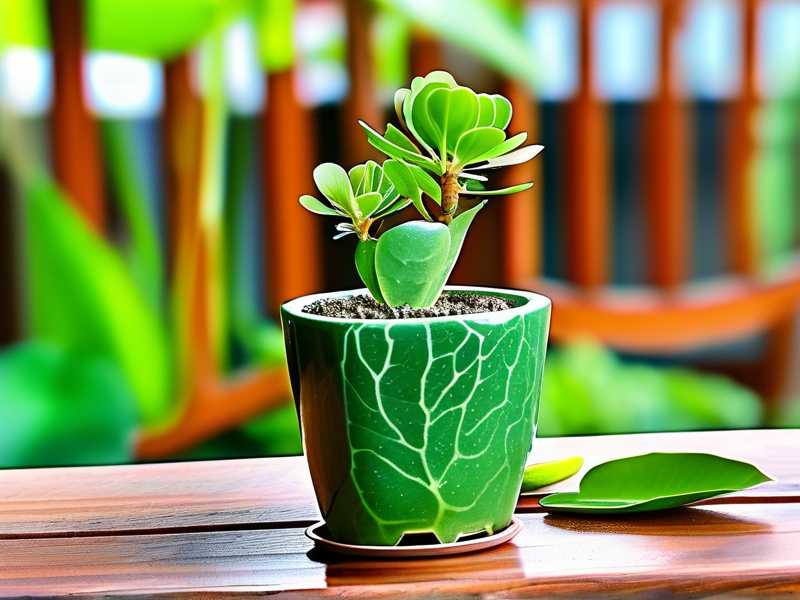
There’s a special kind of worry that sets in when your trusted jade plant, a stalwart companion for years, starts sending distress signals. The vibrant green, plump leaves begin to show a troubling pattern: yellowing between the veins while the veins themselves stay green, creating a mottled, almost mosaic look on new growth. The plant seems stalled. I know this panic intimately because I watched it happen to my oldest Crassula ovata. I initially blamed overwatering, then light issues, but the problem persisted. After diving into research and consulting resources from the Royal Horticultural Society (RHS), I pinpointed the culprit: manganese deficiency. It’s a less common but impactful issue that affects the very core of the plant’s health—its ability to photosynthesize. This guide is the result of my hands-on journey to nurse my jade back to vitality. I’ll walk you through four precise fixes I applied, the two-week recovery timeline I documented, the mistakes I made along the way, and exactly how you can restore your plant’s leaf health.
Understanding Manganese’s Role and Spotting the Signs Manganese is a micronutrient, needed in small but crucial amounts. According to the American Horticultural Society’s Science Advisory (AHSA), it acts as a catalyst in photosynthesis and enzyme systems. Without it, chlorophyll production breaks down, leading to interveinal chlorosis—that distinctive yellowing between the leaf veins. In jade plants, this is often confused with magnesium deficiency or even sunburn. The key difference? Manganese issues typically appear on the newest growth first, while magnesium deficiency shows on older leaves. My plant had classic symptoms: the young leaves at the tips were pale and speckled, their growth was distorted and slightly cupped, and overall, the plant had lost its vigorous, perky demeanor.
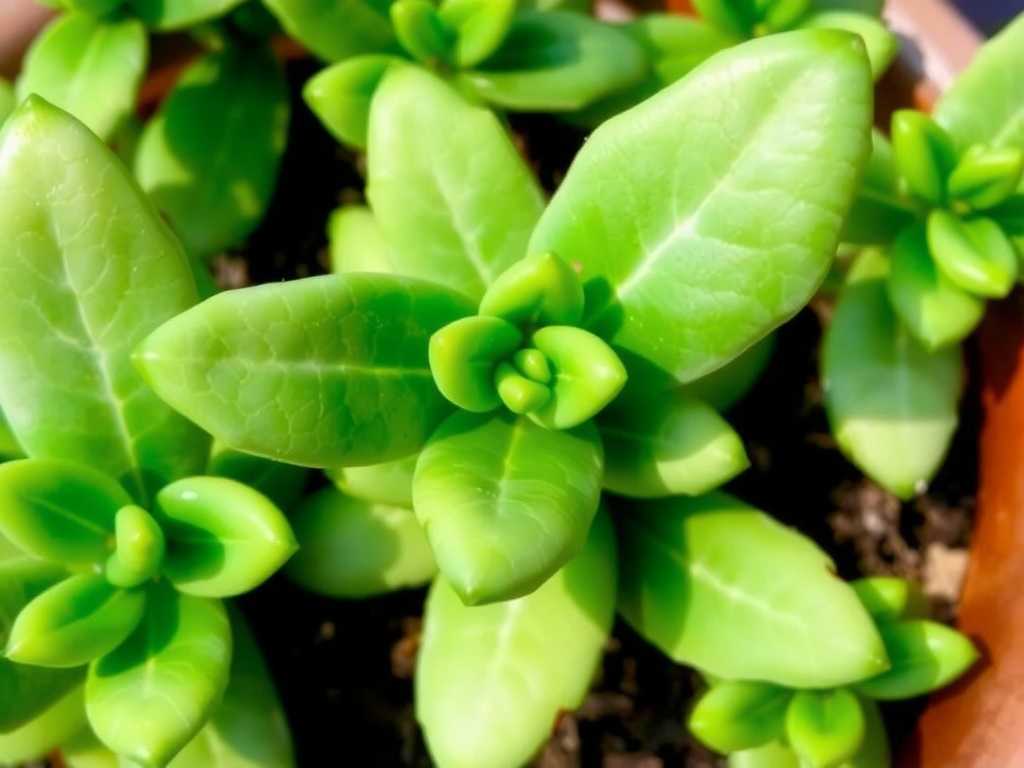
Before You Treat: The Critical First Step – Soil pH Testing Here’s the major pitfall I stumbled into, and I urge you to avoid it: I almost started treating blindly. Many nutrient deficiencies, especially manganese, are not about an absolute lack in the soil but about plant nutrient availability. Jade plants thrive in slightly acidic to neutral soil (pH 6.0-7.0). Manganese becomes "locked up" and unavailable to roots in alkaline soils (pH above 7.0). I used a simple, inexpensive digital pH meter. The reading? A startling 7.8. My tap water and the slow breakdown of the potting mix had pushed the soil too alkaline. No amount of manganese fertilizer would have worked long-term without addressing this. Confirming your soil pH is the non-negotiable first step in any effective treatment plan for manganese deficiency.
Fix #1: Correcting Soil pH with Elemental Sulfur With a confirmed alkaline pH, my first mission was to gently acidify the soil. I chose finely ground elemental sulfur, a recommended amendment by the RHS for long-term pH adjustment. It’s slow-acting and safe, working via soil bacteria to produce mild sulfuric acid. My Step-by-Step Application:
- I gently loosened the top inch of soil around my jade, being careful not to disturb major surface roots.
- Following the package instructions for container plants, I measured a scant teaspoon of sulfur and sprinkled it evenly over the soil surface.
- I then worked it lightly into the loosened top layer and watered thoroughly to initiate the microbial process. I knew this was a long game—sulfur can take weeks to months to fully adjust pH. But it was essential for creating an environment where manganese could be absorbed. This fix addresses the root cause of manganese deficiency in succulents and prevents its recurrence.
Fix #2: The Foliar Spray – A Direct Leaf Rescue While the sulfur worked on the soil, my jade needed immediate relief. The most effective quick fix for micronutrient deficiencies is a foliar spray. Leaves can absorb nutrients directly, bypassing the root uptake issue. I purchased a chelated manganese spray, specifically formulated for plants. Chelation protects the nutrient, making it readily available. My Application Process:
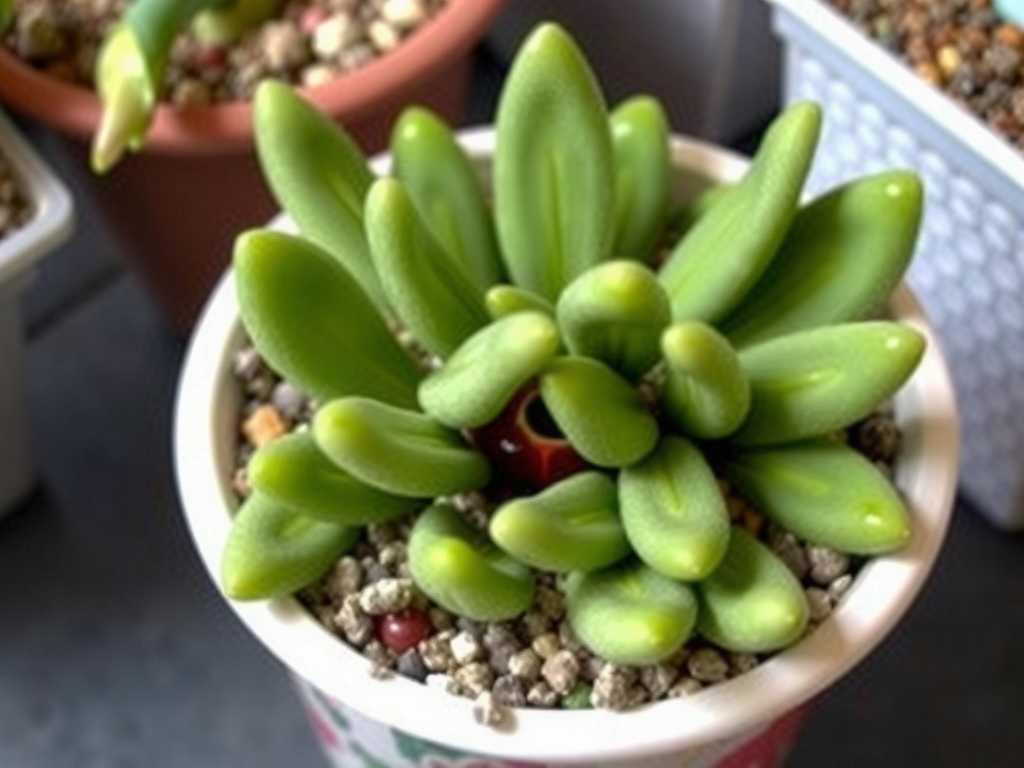
- I mixed the solution at half the recommended strength on the label, erring on the side of caution to avoid leaf burn—a common mistake with succulent foliar feeding.
- In the early evening (to prevent droplets from magnifying sun rays and causing burns), I thoroughly misted the entire plant, focusing on the undersides of the new, affected leaves where stomata are more active.
- I repeated this treatment once a week. The key was consistency and light application. Within days, I observed a subtle but definite halt in the spread of yellowing on the newest tiny leaves.
Fix #3: A Balanced, Manganese-Containing Fertilizer For sustained nutrition, I needed a fertilizer that included manganese in its blend. I selected a balanced, water-soluble fertilizer (with an NPK ratio like 10-10-10 or 20-20-20) that listed manganese and other trace elements on its ingredient label. The AHSA notes that balanced nutrition prevents antagonism, where an excess of one nutrient (like iron or phosphorus) can inhibit manganese uptake. How I Fed My Plant:
- I diluted the fertilizer to one-quarter strength—a crucial step for jade plants, which are sensitive to strong fertilizer salts.
- I applied it to the soil during a regular watering session, ensuring the soil was already slightly moist to prevent root shock.
- This feeding was done only once, at the beginning of my two-week observation period, to provide a baseline of available nutrients without overdoing it.
Fix #4: The Epsom Salt Misconversion and My Course Correction This was my “pitfall and solution” moment. In my initial research, I conflated magnesium and manganese. Seeing “Epsom salt” frequently mentioned for plant yellowing, I applied a solution to the soil. This was a mistake. Epsom salt is magnesium sulfate. While not immediately harmful, adding magnesium without confirmed need can potentially compete with manganese uptake. I realized my error when the new growth showed no improvement after a week of the sulfur and foliar spray. I immediately stopped any Epsom salt application. The lesson was clear: accurate diagnosis is everything. Don’t treat general “yellowing”; treat the specific deficiency pattern you have identified.
My Two-Week Observation Diary and Recovery Timeline
- Days 1-3: After the initial pH test, sulfur application, and first foliar spray. No visible change, but I expected none so soon.
- Days 4-7: The most encouraging sign: the very newest, tiniest emerging leaves in the center of the stems appeared a healthier, brighter green. The existing yellow mottling stopped expanding. The foliar spray was working.
- Days 8-10: A noticeable improvement in the overall turgor and firmness of the newer leaves. They began to feel plumper, less limp. The pale yellow started to recede slightly from the tips of the most recently matured leaves.
- Days 11-14: The recovery became undeniable. The interveinal areas on the new growth began to fill in with a deeper green. While the older, severely mottled leaves would never fully recover (a normal part of the process), they stabilized. The plant’s growth points were actively producing healthy, uniformly green tissue. The combination of soil correction and direct foliar feeding had successfully reversed the manganese deficiency symptoms in jade plants.
Ensuring Long-Term Jade Plant Health and Nutrient Balance The recovery isn’t the end. Prevention is about sustainable care. I now use filtered or rainwater for watering every third time to prevent gradual soil alkalinization from my tap water. I repot my jade every 2-3 years with a fresh, well-draining succulent mix to replenish nutrients and reset the soil structure. I stick to a light, balanced feeding schedule only during the active growing season (spring and summer). Monitoring is key; I periodically check the color and texture of the newest leaves, as they are the best early warning system for any nutrient issue.
Why does manganese deficiency happen more often in potted jade plants? Container gardening creates a closed system. Nutrients are not replenished naturally, and watering practices can dramatically alter soil pH over time. The roots are confined, unable to seek out new sources of manganese, making them entirely dependent on our care. Regular repotting and mindful watering are critical to prevent this.
Can I use a homemade remedy instead of a chelated manganese spray? While some gardeners suggest very dilute seaweed extract, which contains trace minerals, for a confirmed acute deficiency, a targeted chelated manganese product is far more reliable and effective. The chelation ensures the plant can use it immediately. Homemade solutions lack this guaranteed availability and correct concentration.
Will the yellow leaves ever turn green again? No, leaves that have already developed significant interveinal chlorosis will not regain their full, uniform green color. The plant’s energy goes into producing new, healthy growth. You can leave these older leaves until they naturally drop, or gently remove them once the plant is actively growing again, as I did, to improve aesthetics and redirect energy.
Watching my jade plant rebound from that patchy, yellowed state was a profound lesson in plant physiology and attentive care. The journey from misdiagnosis to targeted treatment underscored that sometimes the smallest elements—like manganese—play the biggest roles. By starting with a soil pH test, applying a direct foliar rescue, correcting the root environment, and committing to balanced, long-term nutrition, you can not only fix manganese deficiency but also foster a more resilient, thriving plant. The true fix isn’t just in a bottle of spray; it’s in understanding and optimizing the entire environment your jade calls home.